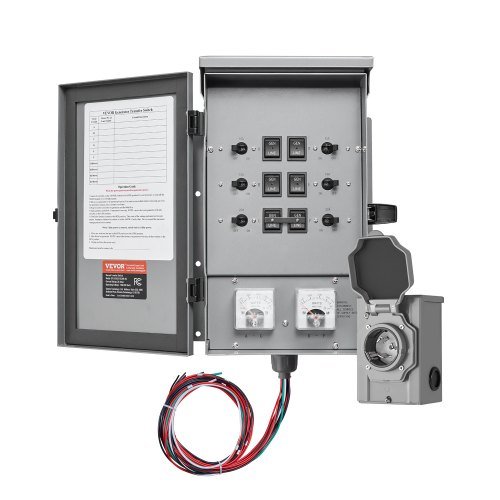
Imagine this: a storm hits, the power goes out, and you need your generator to kick in. But instead of a smooth transition, you’re fumbling in the dark, trying to connect your generator safely.
Sounds stressful, right? This is where a transfer switch comes to your rescue. Have you ever wondered why this small device is so crucial for your generator setup? You might think it’s just another add-on, but a transfer switch is much more than that.
It’s a lifeline that ensures your power transition is safe, seamless, and hassle-free. We’ll explore why you need a transfer switch for your generator and how it can be the difference between chaos and comfort. Stay with us, and discover how this simple tool can make your life easier when the lights go out.
Role Of A Transfer Switch
A transfer switchconnects a generator to your home power safely. It lets you switch from utility power to generator power easily. This switch stops two power sources from running at the same time.
Power backfeed happens when electricity flows backward into utility lines. This can be very dangerousfor utility workers fixing the lines. A transfer switch prevents backfeedby isolating your generator from the grid.
- Ensures safe connection of generator to home circuits
- Stops generator power from mixing with utility lines
- Protects people working on power lines
- Makes switching power sources simple and fast

Credit: www.pmtech.org
Types Of Transfer Switches
A transfer switch safely connects your generator to your home’s electrical system. It prevents power from backfeeding and protects your devices. Different types include manual and automatic switches, each offering unique control and convenience.
Manual Transfer Switches
Manual transfer switchesneed a person to turn them on or off. They are simple and cost less. You use a switch to change power from the main supply to the generator. It is safe and stops power from flowing both ways. Manual switches work well for small homes or places with rare power outages.
Automatic Transfer Switches
Automatic transfer switcheswork by themselves. They sense power loss and switch to the generator quickly. When power returns, they switch back to the main supply. These switches give fast and easy power backup. They are good for homes or businesses that need constant power without delay.
Safety Risks Without A Transfer Switch
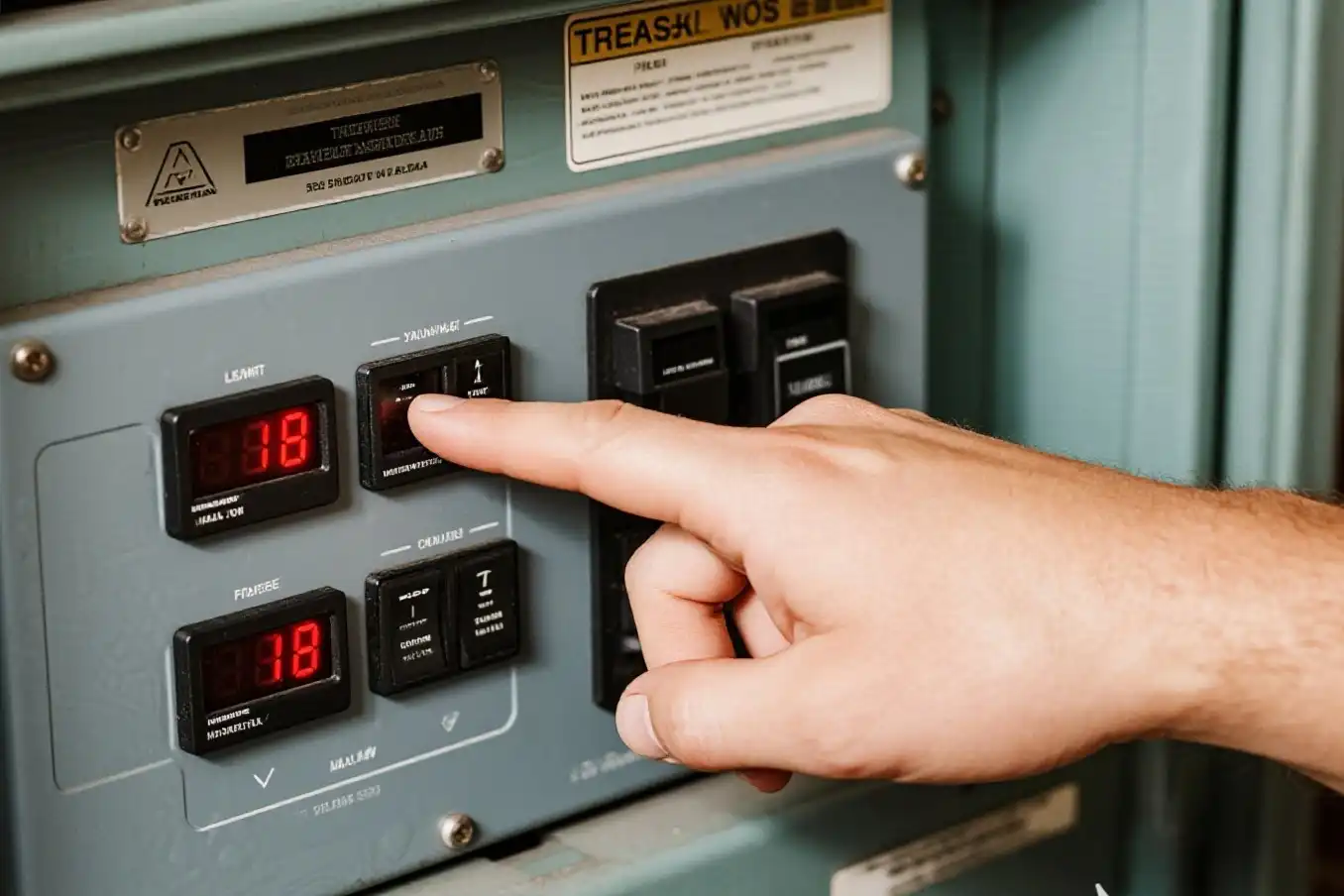
Without a transfer switch, electrical hazardsincrease. Power from a generator can flow back into utility lines. This endangers utility workersfixing power lines. It can cause electric shocks or fires.
Damage to appliances is common without a transfer switch. Sudden power surges may burn out your devices. Sensitive electronics do not handle unstable power well. Repairing or replacing appliances can be expensive.
Utility workers face serious risks without a transfer switch. They may think power lines are off, but generator power flows through them. This hidden energy can cause severe injuries or death. Safety protocols rely on proper isolation of power sources.
Credit: www.onesto-ep.com
Installation Considerations
Professional installationof a transfer switch ensures safety and code compliance. Licensed electricians know how to connect the switch properly to your home’s electrical system. This reduces risks like electrical fires or damage.
DIY installationcan save money but is risky. Mistakes can cause serious problems. Only attempt if you have strong electrical knowledge and tools.
| Placement | Accessibility |
|---|---|
| Near the main electrical panel | Easy to reach for quick connection |
| Protected from weather | Clear space around for maintenance |
Proper placement and accessibilitymake the transfer switch easy to use and maintain. Avoid hard-to-reach or damp areas to keep it working well.
Cost And Benefits
A transfer switch ensures safe and easy power switching during outages. It protects your home and generator from damage while saving time and effort. Investing in one prevents costly repairs and power interruptions.
Initial Investment
Installing a transfer switch requires an upfront cost. This includes buying the switch and paying for professional installation. The price varies based on the switch type and home size. Although it may seem costly, this investment helps avoid expensive repairs from improper generator use. It also protects your home’s electrical system.
Long-term Safety And Convenience
A transfer switch improves safety by preventing backfeed, which can harm utility workers. It also makes switching to generator power simple and quick. No need to connect devices one by one. This convenience saves time during power outages. Over time, the safety and ease can save money and stress.
Credit: www.greentractortalk.com
Legal And Code Requirements
Many areas have strict rulesabout using generators safely. A transfer switchis often required by law to connect a generator to your home’s electrical system.
Local rules ensure your generator does not cause power backfeed. Backfeed can harm utility workers fixing power lines.
- Transfer switches help meet local electrical codes.
- They keep your home and neighbors safe.
- Using one can prevent legal troublesand fines.
Inspectors check that your generator setup follows the rules. They look for proper transfer switch installationand correct wiring.
Passing inspections means your generator use is legaland safe. It also protects your family and property.
Frequently Asked Questions
What Is A Transfer Switch For Generators?
A transfer switch safely connects your generator to your home’s electrical system. It prevents backfeeding, protecting utility workers and your equipment. This switch allows easy power source switching during outages, ensuring a smooth, safe transition between grid and generator power.
Why Is A Transfer Switch Necessary With A Generator?
A transfer switch avoids dangerous electrical backfeed and overloads. It ensures generator power flows only to selected circuits. This improves safety, prevents damage, and complies with electrical codes. Without it, powering your home can be hazardous and illegal.
Can I Install A Transfer Switch Myself?
Installing a transfer switch requires electrical knowledge and permits. It’s best done by a licensed electrician for safety and code compliance. DIY installation risks injury, equipment damage, and may void warranties. Professional installation ensures proper function and peace of mind.
How Does A Transfer Switch Improve Generator Safety?
A transfer switch isolates your home from the grid during outages. It prevents electricity from flowing back to power lines, protecting utility workers. It also manages load distribution, avoiding overloads. This enhances safety for your family and electrical system.
Conclusion
A transfer switch keeps your home safe during power outages. It stops electrical backflow to the grid. This protects utility workers and your generator. Switching power sources is quick and easy with it. You avoid costly repairs and fire risks.
A transfer switch also meets local electrical codes. It makes generator use more reliable and efficient. Choosing one is a smart step for backup power. Stay prepared and protect your home today.