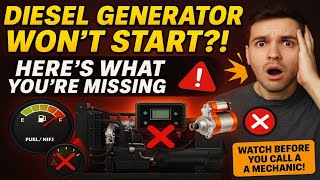
Are you frustrated because your diesel generator won’t start just when you need it the most? You’re not alone.
Many people face this issue, especially during power outages or critical situations. It’s not just an inconvenience—it can disrupt your plans, affect your work, or even compromise safety. But don’t worry; you’re about to discover the common reasons behind this problem and how you can fix them.
Imagine the relief of having a generator that fires up every time, without a hitch. By understanding the nuances of why your diesel generator might be giving you trouble, you’ll be better equipped to solve the issue quickly and efficiently. Stay with us, and let’s get your generator back in action!

Credit: www.youtube.com
Common Causes For Diesel Generator Failure
Battery issues often cause diesel generators to fail to start. Fuel system problems, like clogged filters, can also hinder performance. Malfunctioning components, such as the starter motor, might be responsible for start-up failure. Regular maintenance helps prevent these common issues and ensures reliable operation.
Fuel System Issues
The fuel system can cause problems if not working well. Blocked fuel lines stop diesel flow. This can lead to the generator not starting. Dirty fuel filters are also a problem. They make it hard for the engine to get clean fuel. Ensure the fuel tank has enough diesel. Low fuel can prevent starting. Regular checks can avoid these issues.
Battery Problems
Batteries help start the generator. A dead or weak battery means no power. Check battery connections. They should be clean and tight. Corroded connections stop power flow. Also, ensure the battery is charged. Charging keeps the battery ready to use.
Air Intake Blockages
The engine needs air to work. Blocked air intakes stop air from reaching the engine. This makes starting hard. Dust and dirt can block air filters. Clean the air filters often. This helps the engine get enough air.
Oil And Lubrication Concerns
Oil keeps the engine parts moving smoothly. Low oil levels can harm the engine. Check oil levels regularly. Use the right type of oil. Wrong oil can cause damage. Lubrication keeps the engine healthy. This helps in easy starting.
Diagnosing Electrical Problems
Diesel generators often fail to start due to electrical issues like battery problems or faulty wiring. Investigating connections and checking battery charge can pinpoint the problem. Ensuring regular maintenance and inspection helps prevent these starting troubles.
Starter Motor Malfunctions
The starter motoris crucial for engine ignition. If it fails, the generator won’t start. Listen for clicking sounds; they signal motor issues. Check for loose connections. Tighten them to ensure proper function. Examine the motor for dirt and debris. Clean it regularly for smooth operation.
Fuse And Circuit Breaker Checks
Fuses and circuit breakers protect the electrical system. Inspect them for damageor burn marks. Replace any blown fuses immediately. Ensure circuit breakers are not tripped. Reset them if needed. This can restore power flow quickly.
Wiring And Connection Inspections
Wiring problems can stop a generator from starting. Look for damaged wires. Replace them to ensure safe connections. Check all plugs and sockets. Make sure they are secure. Loose connections can disrupt electrical flow. Tighten them for better performance.
Mechanical Troubleshooting
Diesel generators may fail to start due to fuel delivery issues or battery problems. Check for clogged filters or low fuel levels. Inspect battery connections for corrosion or damage to ensure proper operation.
Compression Testing
Compression is key for diesel engines. Low compression means hard starts. Check each cylinder’s compression. Use a compression tester for accurate readings. Compare results with manufacturer specifications. Low compression might need piston or valve repair.
Engine Block Assessments
Inspect the engine block for cracks or damage. Cracks can cause oil leaks and poor performance. Use a flashlight for better visibility. Feel for any rough or uneven areas. Damaged engine blocks need professional repair or replacement.
Exhaust System Checks
Examine the exhaust system for blockages or damage. Look for rust or holes in the pipes. A blocked exhaust can cause the engine to stall. Listen for unusual sounds when starting the engine. Fix any damaged parts to improve performance.
Fuel Quality And Contamination
Contaminated fuel can prevent diesel generators from starting. Water or debris in the fuel clogs filters and injectors. Regular checks and clean fuel ensure smooth operation.
Identifying Bad Fuel
Bad fuelcan cause your diesel generator to fail. Check for a foul smell or cloudy appearance. These signs indicate water or dirt in the fuel. Use a clean container to inspect. If the fuel looks or smells off, it’s likely contaminated. Replace it with fresh fuel.Preventing Fuel Contamination
Keep your fuel tank clean to avoid contamination. Store fuel in a cool and dry place. Use a fuel stabilizer to maintain quality. Regularly check your tank and clean it if needed. Always use a clean funnel when refueling. This prevents dirt from entering. `Preventative Maintenance Tips
Regularly check fuel levels and battery connections to ensure your diesel generator starts smoothly. Inspect air filters and oil levels to prevent common starting issues. Address worn spark plugs and faulty wiring promptly for reliable performance.
Regular Inspection Routines
Checking your diesel generator helps it work well. Look for any leaks. Check the oil and fuel levels. Ensure the battery connections are tight. Listen for any strange noises. These checks keep your generator happy.
Scheduled Maintenance Plans
Plan regular check-ups for your generator. Follow the manufacturer’s guide. Replace filters and fluids on time. This prevents breakdowns. Use a calendar to track maintenance. This keeps your generator ready when needed.
Record Keeping Importance
Write down every check and fix. Keep a logbook. Record the date and details of maintenance. This helps spot patterns or issues. Good records make fixing problems easier. They show what work has been done before.

Credit: www.reddit.com
Professional Help Considerations
If the generator doesn’t start, it might need expert help. Listen for odd noises or smells. These signs show serious issues. If you see smoke or sparks, don’t try to fix it yourself. It’s best to call a technician. They have the right tools and know-how.
Pick a service with good reviews. Ask friends for recommendations. Look for technicians who specialize in diesel generators. Make sure they have experience with your model. Check if they offer a warranty. This ensures quality work and peace of mind. Compare prices but don’t choose the cheapest. Quality service often costs more but is worth it.

Credit: www.facebook.com
Frequently Asked Questions
Why Is My Diesel Turning Over But Not Starting?
Your diesel engine might not start due to issues like fuel delivery problems, faulty glow plugs, or a weak battery. Check for clogged fuel filters, air in the fuel system, or malfunctioning fuel pumps. Regular maintenance can prevent these issues, ensuring reliable engine performance.
What Is The Common Problem Of A Diesel Generator?
Diesel generators often face fuel contamination issues, leading to clogged filters. Regular maintenance prevents this problem. Malfunctioning batteries can also cause starting issues. Addressing these problems ensures efficient performance and extends the generator’s lifespan. Proper monitoring and timely repairs help maintain reliability and functionality.
How Do You Troubleshoot A Generator That Is Not Starting?
Check fuel levels and ensure the fuel valve is open. Examine battery connections for tightness. Inspect spark plug for wear or damage. Verify the air filter is clean and unclogged. Ensure all switches are set correctly for operation.
How To Remove Airlock In Diesel Generator?
To remove airlock in a diesel generator, locate the fuel pump. Open the bleed screw and manually pump fuel until it flows steadily. Tighten the screw and start the engine. Ensure all connections are secure to prevent future airlocks. Regular maintenance can help avoid airlock issues.
Conclusion
Understanding diesel generator issues ensures smooth operation. Regular maintenance prevents unexpected problems. Check fuel level first. Examine battery connections for corrosion. Test starter motor and alternator for faults. Inspect filters for blockages. Keep an eye on the air intake. Use good quality fuel to avoid contamination.
Always follow the manufacturer’s guidelines. These steps reduce downtime and repair costs. Prioritize safety when troubleshooting. Consult a professional if needed. Reliable generators provide peace of mind. Keep your power source ready for emergencies. Regular checks ensure reliability. Stay proactive, keep everything running smoothly!