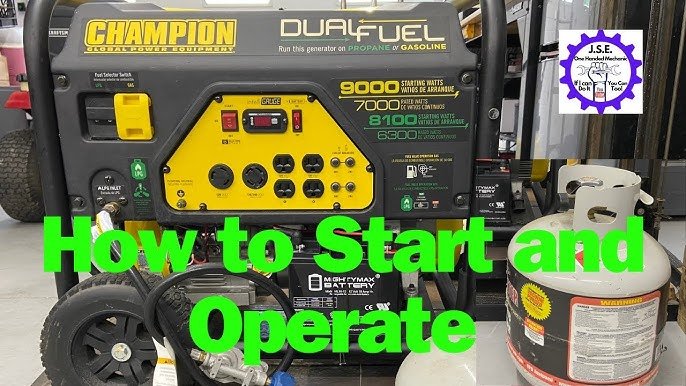
Picture this: a storm is brewing outside, and suddenly, the power goes out. You breathe a sigh of relief knowing you have a dual fuel generator ready to kick in.
But when you press the start button, nothing happens. Frustration sets in as you wonder, “Why won’t my dual fuel generator start? ” You’re not alone in this predicament. Many people face this issue, and the good news is, there are solutions.
In this guide, we’ll dive deep into the reasons your generator might be giving you the silent treatment. Understanding these causes can save you time, money, and stress. Whether it’s a simple fix or requires a bit more attention, knowing what to look for can make all the difference. So, stay with us as we unravel the mysteries behind your generator’s stubbornness and help you get back to the comfort and convenience you deserve.

Credit: www.championpowerequipment.com
Common Reasons For Generator Failure
Faulty spark plugs or low fuel can prevent a dual fuel generator from starting. Clogged air filters or battery issues are also common culprits. Regular maintenance can help avoid these problems and ensure smooth operation.
Empty Fuel Tank
An empty fuel tank can stop your generator. Always check the fuel level first. Fuel helps the engine run smoothly. Without it, the generator won’t start.
Faulty Spark Plug
A faulty spark plug might be the problem. It helps ignite the fuel. If it’s dirty or broken, the engine can’t start. Inspect and clean the spark plug regularly.
Clogged Air Filter
A clogged air filter blocks air from entering the engine. This affects combustion. Clean the air filter to ensure proper airflow. A clean filter helps the generator start easily.
Battery Issues
Check for battery issues if the generator won’t start. A dead battery can cause problems. Ensure the battery is charged and connections are secure. This helps the generator start.

Credit: www.facebook.com
Fuel System Problems
Dual fuel generators may fail to start due to fuel system issues. Blocked fuel lines or dirty filters often cause problems. Regular maintenance helps ensure smooth operation and reduces the risk of starting troubles.
Incorrect Fuel Type
Using the wrong fuel can cause problems. Gasoline is for regular generators. Dual fuel generators need a mix. Always check the fuel type. Read the generator manual carefully. This avoids starting problems.
Fuel Line Blockages
Blockages stop fuel from reaching the engine. Dust and dirt can clog the line. Check fuel lines for obstructions. Use a clean cloth to wipe them. This ensures smooth fuel flow.
Contaminated Fuel
Dirty fuel can damage the engine. Water or debris in fuel causes contamination. Drain and replace contaminated fuel. Always store fuel in clean containers. This keeps the generator running well.
Electrical Component Issues
Dual fuel generators may fail to start due to electrical component issues. Faulty spark plugs or battery connections can cause problems. Regular maintenance helps prevent these starting issues.
Wiring Faults
Wires can get loose or broken. This stops electricity from flowing. Check wires for any damage or disconnections. Use a flashlight if needed. Make sure all wires are tight. If a wire is broken, it might need replacing. Ensure no wires are touching each other. This can cause a short circuit.
Ignition Coil Failure
The ignition coil helps start the generator. If it fails, the generator won’t start. Listen for clicking sounds. No sound might mean a bad coil. Look for cracks or burn marks on the coil. A faulty coil needs replacement. Always turn off the generator before checking the coil.
Circuit Breaker Tripped
A circuit breaker might trip if there’s a problem. This stops the generator from working. Check the breaker switch. It should be in the ON position. If it’s off, turn it back on. If it trips again, there might be a bigger issue. Don’t force the breaker on. Call an expert if needed.
Credit: www.powerequipmentforum.com
Mechanical Failures
Dual fuel generators may not start due to mechanical failures like clogged fuel lines or faulty spark plugs. Check for battery issues or improper fuel mixture. Regular maintenance can help prevent these common problems.
Engine Compression Problems
Weak engine compression can make starting hard. Air leaks often cause this problem. Check for worn piston rings or damaged valves. Good compression helps the engine work well. Fixing these issues needs a mechanic.
Starter Motor Malfunction
A faulty starter motor can stop the engine from starting. Listen for clicking sounds when turning the key. If heard, the starter might be bad. Replacing the starter is often necessary. This part helps start the engine quickly.
Carburetor Troubles
The carburetor mixes fuel and air for the engine. Dirt or blockages can cause issues. Clean the carburetor to fix the problem. Proper fuel and air mix is crucial. Regular cleaning keeps the engine running smoothly.
Environmental Factors
Cold temperatures can affect your generator’s performance. High humidity might cause moisture buildup, leading to malfunctions. Dust and debris can obstruct the air filter, preventing the generator from starting smoothly.
Extreme Weather Conditions
Generators can struggle in extreme weather. Cold temperatures may make it hard to start. The oil can get thick and slow. In hot weather, parts may overheat. The generator needs the right environment. It’s important to keep it sheltered.
Altitude Adjustments
Generators need air to work well. At high altitudes, air is thin. This can affect the engine. A special kitmight be needed for adjustments. This helps it run smoothly. Check the manual for altitude details.
Storage And Maintenance
Proper storage is crucial. Keep the generator in a dry place. Moisture can cause rust and damage parts. Regular maintenance is key. Check the fuel and oil levels. Clean the air filter often. A well-kept generator lasts longer.
Steps To Diagnose The Problem
Check fuel levels and connections for any issues. Inspect the spark plug for damage or dirt. Ensure the battery is charged and functional.
Visual Inspection
Check the generator’s fuel levelsand connections. Make sure no wires are loose. Inspect the generator for physical damage. Look for signs of wear or corrosion. Ensure all switches are in the correct position. Verify the fuel typematches the generator’s requirement.
Listening For Unusual Sounds
Turn on the generator and listen closely. Are there strange noises? Clanking or rattlingmight indicate loose parts. Squealingcan suggest belt issues. Identify the source of these sounds. Seek professional help if sounds persist.
Testing Electrical Outputs
Use a multimeterto check output voltage. Make sure the generator produces electricity. Confirm the settings on the multimeter. Read the voltage carefully. Compare readings to the generator’s manual. Ensure connections are tight and secure. Safety first when testing electrical parts.
Tools And Equipment Needed
Ensure the generator has fresh fuel and check the oil level. Inspect the spark plug for dirt or damage. Verify the battery charge and connections for any loose or corroded wires.
Multimeter
A multimeter helps check electrical parts. It measures voltage and current. Batteries can be checked with it. It ensures wires are working. Use it to test circuit parts.
Fuel Pressure Gauge
This tool checks fuel pressure. It helps find blockages in fuel lines. Proper fuel pressure is important for engine start. High or low pressure can cause problems. It ensures fuel flow is smooth.
Socket Set
A socket set is used to loosen bolts. It helps to open parts of the generator. Different sizes are needed for different bolts. Make sure all bolts are tight. This prevents parts from moving.
Preventative Measures
Keeping a regular maintenance scheduleis crucial for your generator. Check the oil levelsoften. Replace the oil if it’s dirty. Clean the air filter regularly. Dirt can block it. Examine the spark plug for wear. Replace it if needed. This helps the generator run smoothly. Inspect all wires. Look for any damage. Damaged wires can cause starting problems.
Proper storage keeps your generator in good condition. Always store it in a dry place. Wet areas can cause rust. Cover it to protect from dust. Dust can clog parts. Empty the fuel tank if storing for long. Old fuel can damage the engine. Keep it in a place where kids cannot reach. Safety first!
Fuel system care is essential for starting. Use clean fuel always. Dirty fuel can block the system. Inspect fuel lines for leaks. Leaks can be dangerous. Keep the fuel tank clean. A clean tank prevents contamination. Replace the fuel filter regularly. A clogged filter can stop fuel flow. Check all connections. Tighten loose ones.
Frequently Asked Questions
What Is The Most Common Reason A Generator Won’t Start?
The most common reason a generator won’t start is a dead battery or old fuel. Ensure the battery is charged and the fuel is fresh. Regular maintenance and checks can prevent starting issues.
What Is The First Step You Should Take If Your Generator Won’t Start?
Check the fuel level first. Ensure the generator has enough fuel to start. This simple step can resolve the issue.
Where Do I Spray Starter Fluid On A Generator?
Spray starter fluid directly into the air intake of the generator. Ensure the generator is off before spraying. Avoid excessive spraying to prevent engine damage. Always follow manufacturer instructions for safety and optimal results. Keep the nozzle at a safe distance to ensure even distribution of the fluid.
How To Get A Stubborn Generator To Start?
Check fuel and oil levels. Inspect the spark plug and replace if dirty. Ensure the air filter is clean. Tighten all connections. Pull the starter cord firmly.
Conclusion
Fixing a dual fuel generator might seem tough. Start simple. Check fuel levels first. Inspect connections for loose wires. Look at the spark plug. It might need cleaning or replacing. Examine the air filter too. A clogged filter can stop the engine.
If still stuck, consult a professional. Regular maintenance prevents future issues. Keep your generator clean and serviced. A well-maintained generator runs smoothly. Remember, understanding these basics can save time. Troubleshooting gets easier with practice. Stay patient and keep learning. Your generator will start again soon!