
Have you ever wondered if your choice of energy for your boat or yacht is environmentally responsible? With the growing concern for our planet, it’s crucial to understand the impact of the technologies we use, including marine diesel generators.
You might be surprised to learn that not all generators are created equal when it comes to their eco-friendliness. As you explore the options for powering your marine adventures, it’s essential to consider how these devices affect the environment. Are marine diesel generators truly eco-friendly, or are there greener alternatives?
By diving into this topic, you’ll gain valuable insights that might just change the way you power your voyages. Stay with us as we uncover the truth behind marine diesel generators and their environmental impact.
Marine Diesel Generators Basics
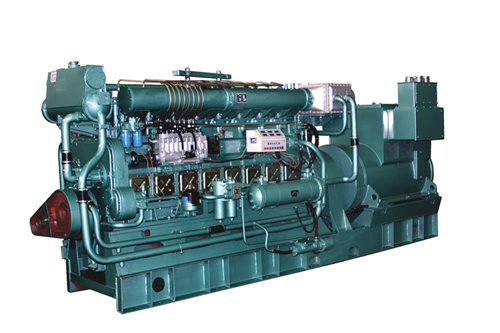
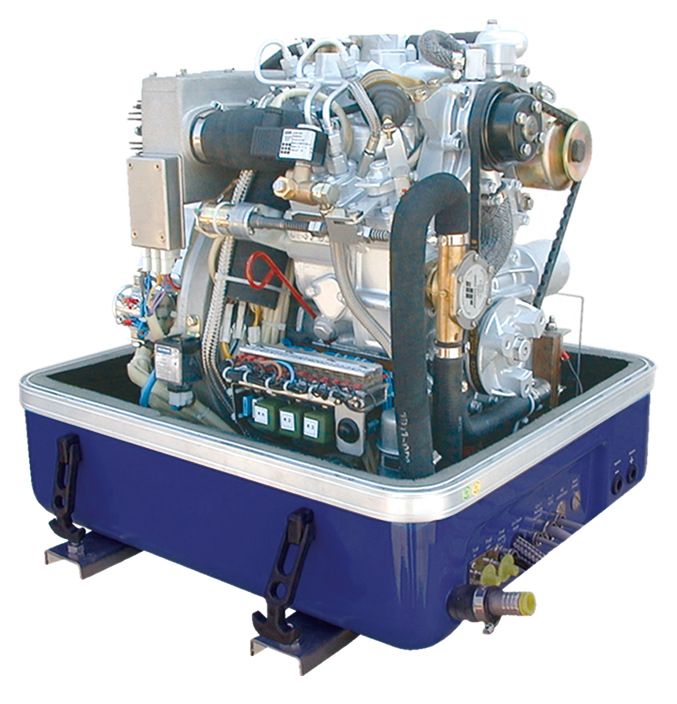
Marine diesel generators create power by burning diesel fuel. The engine turns a crankshaft that spins a generator. This process changes fuel energy into electrical energy.
These generators are common on many types of boats and ships. They provide electricity for lighting, navigation, and other systems.
- Power backup on yachts and fishing vessels
- Running essential systems on cargo ships
- Supporting communication and radar equipment
- Operating pumps and safety devices
Credit: www.aboutgenerator.com
Environmental Impact Factors
Marine diesel generatorsproduce emissions that affect air quality. They release carbon dioxide (CO2), nitrogen oxides (NOx), and particulate matter. These emissions contribute to pollution and climate change. Cleaner fuels and better engines can reduce harmful gases.
Fuel efficiency is key. More efficient engines use less fuel, cutting costs and pollution. Old models consume more diesel, increasing emissions. Newer designs improve fuel consumptionand lower environmental impact.
Noise and vibration from generators affect marine life and workers. High noise can disturb animals and cause stress. Quieter models and vibration dampeners help reduce these effects. Using soundproof enclosures also lowers noise pollution.
Myths About Marine Diesel Generators
Diesel generators are often seen as harmful. They do produce pollutants, but modern technology helps reduce these emissions. Engines with better filters and fuel systems can burn diesel cleaner than before.
Some people believe emissions cannot be reduced. This is not true. Advances in engine designand fuel additiveslower harmful gases. Regular maintenance also keeps engines running cleaner.
| Power Source | Environmental Impact | Advantages | Disadvantages |
|---|---|---|---|
| Diesel Generators | Moderate emissions, improving with tech | Reliable, widely available fuel | Produces nitrogen oxides and particulates |
| Electric Marine Power | Zero emissions during operation | Quiet, clean energy | Limited range, needs charging infrastructure |
| Hybrid Systems | Lower emissions than diesel alone | Efficient fuel use | Higher initial cost |
Credit: www.morganscloud.com
Technological Advances
Emission control technologieshelp reduce harmful gases from marine diesel generators. Filters and catalytic converters lower smoke and soot. These devices make engines cleaner and less polluting.
Hybrid and cleaner fuel optionscombine diesel with electric power or use fuels like biodiesel. These choices cut down on carbon emissions and fuel use. Hybrid systems also save energy during low power needs.
Improved engine designsuse better fuel injection and combustion methods. This change makes engines burn fuel more fully. Less fuel waste means fewer emissions and better fuel economy.
Regulations And Standards
Regulations set limits on emissions from marine diesel generators to reduce pollution. Standards ensure these generators meet environmental safety rules. Compliance helps make marine diesel generators less harmful to the environment.
International Maritime Organization Rules
The International Maritime Organization (IMO)sets strict rules for marine diesel emissions. These rules aim to reduce air pollutionand protect the ocean. Ships must follow these rules to limit sulfur oxides (SOx)and nitrogen oxides (NOx). Compliance helps lower the environmental impactof diesel generators.
Regional Environmental Policies
Different regions have their own environmental policiesfor marine engines. For example, the European Unionenforces strict emission limits in certain waters. The United Stateshas rules through the Environmental Protection Agency (EPA). These policies help keep local waters cleaner and air safer.
Compliance And Enforcement
Authorities check ships regularly to ensure they meet emission standards. Violations can lead to finesor detentions. Ships must keep records and use approved technologyto reduce pollution. Enforcement ensures that marine diesel generators become more eco-friendlyover time.

Credit: www.morganscloud.com
Balancing Performance And Sustainability
Marine diesel generatorsbalance power and eco-friendliness by running efficiently. Optimizing operation means using the right load and avoiding overuse. This helps reduce fuel wasteand harmful emissions.
Good maintenance is key. Changing oil, cleaning filters, and checking parts keep generators running smoothly. This lowers fuel consumptionand air pollution. Regular check-ups also extend the generator’s life.
| Future Trends | Description |
|---|---|
| Cleaner Fuels | Use of biofuels and low-sulfur diesel to cut emissions. |
| Hybrid Systems | Combining diesel with batteries or solar for less pollution. |
| Smart Controls | Automatic adjustments to improve fuel use and reduce waste. |
Frequently Asked Questions
Are Marine Diesel Generators Environmentally Safe?
Marine diesel generators emit pollutants but are more efficient than gasoline engines. Newer models use cleaner technology to reduce emissions and fuel consumption.
How Do Marine Diesel Generators Impact Marine Pollution?
They release exhaust gases and particulates, contributing to air and water pollution. Proper maintenance and modern filters help minimize their environmental impact.
Can Marine Diesel Generators Use Eco-friendly Fuels?
Yes, some marine diesel generators can run on biodiesel or low-sulfur fuels, which produce fewer harmful emissions and are more sustainable than traditional diesel.
What Regulations Govern Marine Diesel Generator Emissions?
International maritime laws, like MARPOL Annex VI, set limits on emissions to control pollution from marine diesel engines worldwide.
Conclusion
Marine diesel generators offer reliable power for boats and ships. They use fuel that creates pollution and greenhouse gases. This impacts air quality and the ocean’s health. Some newer models run cleaner than older ones. Using alternative fuels can reduce their environmental harm.
Still, they are not fully eco-friendly today. Choosing energy-efficient options helps lower emissions. Careful maintenance keeps them running better and cleaner. Cleaner technology in marine power grows each year. Balancing power needs with nature’s protection remains vital.