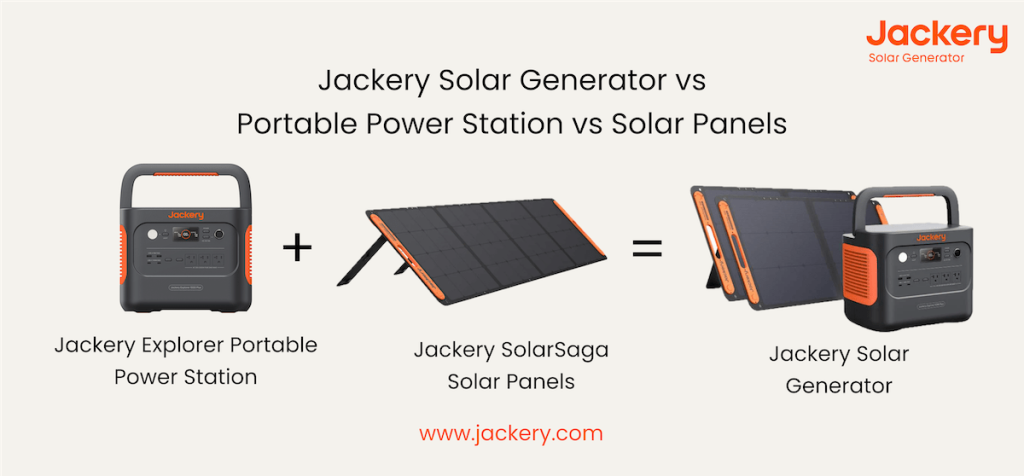
Are you thinking about how to keep your home powered during an outage or looking to reduce your energy bills? You might find yourself caught in the debate: are solar panels better than generators?
This question is more than just an environmental discussion; it’s about what’s best for you and your lifestyle. Imagine harnessing the sun’s energy to power your home, or relying on the tried-and-true method of a generator. Each option has its own set of benefits and challenges.
By the end of this article, you’ll have a clearer understanding of which solution fits your needs best. Stay with us as we explore the ins and outs of solar panels and generators, helping you make an informed decision that could transform your energy future.
Credit: www.illinoisrenew.org
Environmental Impact
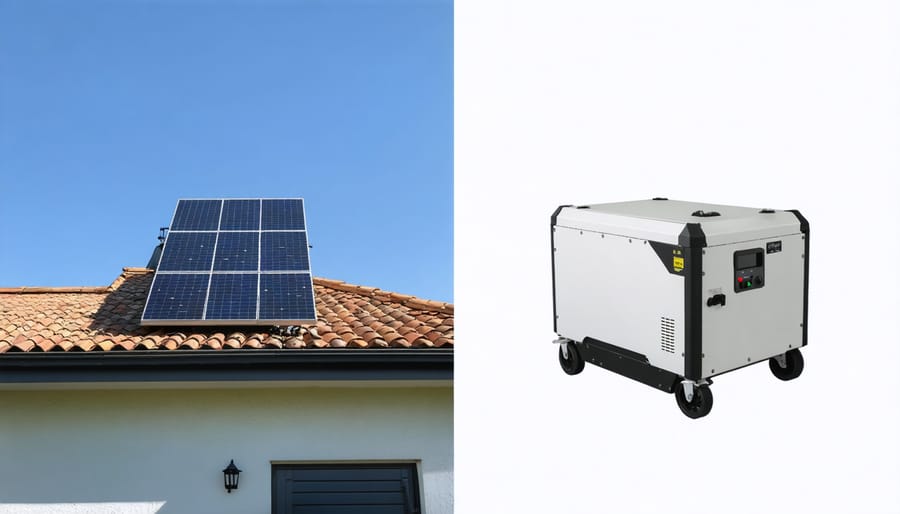
Solar panels offer a cleaner energy source compared to generators, reducing emissions significantly. They harness sunlight, providing a sustainable solution with minimal environmental impact. In contrast, generators rely on fossil fuels, contributing to pollution and noise.
Considering the environmental impact of energy sources is vital in making informed choices for your home or business. Solar panels and generators both offer distinct advantages, but their effects on the environment differ significantly. Understanding these differences can help you make a choice that aligns with your values and priorities.Emissions And Pollution
Solar panels are a clean energy source. They produce electricity without emitting harmful pollutants into the air. This means no carbon dioxide, no nitrogen oxides, and no sulfur dioxide. Generators, on the other hand, often rely on fossil fuels like gasoline or diesel. These fuels release emissions that contribute to air pollution and climate change. The byproducts of combustion can also harm local air quality and your health. Imagine the satisfaction of powering your home without contributing to smog or greenhouse gases. Wouldn’t you prefer a solution that aligns with a sustainable future?Renewable Vs Non-renewable
Solar panels harness energy from the sun, a renewable resource. This means the energy source is constantly replenished and won’t run out. You tap into an endless supply of power just by installing panels on your roof. Generators depend on non-renewable resources like oil and gas. These resources are finite and extraction can harm the environment. Additionally, their prices can fluctuate, making them less reliable over time. Choosing solar panels not only benefits the environment but also contributes to energy independence. Imagine reducing your reliance on dwindling resources and volatile markets. Wouldn’t that be a step toward a more stable and sustainable life?Cost Analysis
Understanding the cost differences between solar panels and generators is essential. Both have unique cost factors that impact their overall value. By examining initial investment, maintenance expenses, and long-term savings, you can make an informed decision.
Initial Investment
Solar panels require a higher upfront cost. This includes purchasing the panels and installation fees. The size and capacity of the system also affect the price. Generators, in contrast, generally have a lower initial cost. They are often more affordable to purchase.
Maintenance Expenses
Maintenance for solar panels is minimal. They need occasional cleaning and inspections. Most panels come with warranties, reducing repair costs. Generators, on the other hand, demand regular servicing. This includes fuel, oil changes, and part replacements.
Long-term Savings
Solar panels provide significant long-term savings. They harness free energy from the sun. Utility bills decrease over time, offsetting the initial investment. Generators consume fuel, adding to ongoing costs. This makes them less economical in the long run.
Energy Efficiency
When it comes to choosing between solar panels and generators for your energy needs, energy efficiency is a key factor to consider. Solar panels harness the sun’s power, converting it into electricity with minimal waste. Generators, on the other hand, burn fuel to produce energy, often resulting in significant energy loss through heat and noise.
Output Consistency
Solar panels provide a stable source of energy as long as the sun is shining. They operate quietly and without interruption, making them ideal for continuous energy supply during sunny hours. However, their efficiency can drop on cloudy days or at night, which might require a backup plan.
Generators, in contrast, can deliver consistent power output regardless of the weather. They are reliable during emergencies or in areas with limited sunlight. But, they require regular fuel refills and maintenance, which can be cumbersome over time.
Energy Storage Solutions
Solar panels paired with batteries can offer a robust energy storage solution. Batteries store excess solar energy produced during the day, allowing you to use it when the sun isn’t shining. This setup maximizes the efficiency of solar panels and can significantly reduce dependency on the grid or generators.
Generators typically do not have built-in storage capabilities. They generate power on demand, meaning they must run continuously to supply electricity. This often leads to fuel waste if they are not matched to your actual power needs.
Have you ever calculated how much energy you waste with a generator running idle? Shifting to solar panels with storage might just be the efficient solution you’ve been looking for.
Reliability And Performance
Solar panels offer consistent energy with less maintenance, while generators provide immediate power but can be less reliable long-term.
When considering the reliability and performance of solar panels versus generators, it’s essential to look beyond just the initial costs. Both have their strengths and weaknesses that can impact your decision significantly. While solar panels offer a sustainable solution, generators have been the go-to for many due to their immediacy in power supply.Weather Dependency
Solar panels harness energy directly from the sun. This means that their performance is highly dependent on weather conditions. On sunny days, you can expect optimal performance. However, during cloudy or rainy days, energy production may drop significantly. This doesn’t mean you won’t have power, but you may need to rely on stored energy from batteries, which adds an extra layer to consider. Generators, on the other hand, are not affected by weather. Whether it’s a storm or a cloudy day, they can provide continuous power. This makes them a reliable backup during natural calamities when solar panels might underperform.Operational Durability
Solar panels are built to last. With minimal moving parts, they have fewer chances of mechanical failure. Many systems come with warranties that last up to 25 years. In contrast, generators have several moving parts. This means regular maintenance is essential to keep them running smoothly. You might have to deal with oil changes, filter replacements, and other upkeep tasks. Though generators might require more hands-on attention, they can run continuously for long periods, which is invaluable during extended power outages. So, which is more reliable for you? Consider your local weather patterns and how much maintenance you’re willing to manage. Would you prefer the low-maintenance, green energy of solar panels or the consistent output of a generator, rain or shine?Installation And Space Requirements
Choosing between solar panels and generators often boils down to understanding their installation and space requirements. How much room do you actually need for each setup? And how easy is it to get them up and running? Let’s dive into these considerations to help you make an informed decision.
Space Needed
Solar panels require a substantial amount of roof or ground space, depending on the size of your setup. A typical residential installation might need about 400 square feet to generate sufficient power. If your roof is shaded or small, ground-mounted panels might be an option, but they will take up yard space.
On the other hand, generators are more compact and can fit in smaller outdoor areas. They usually require a secure, well-ventilated space away from the main living area. This makes them a more feasible option for those with limited space.
Ease Of Installation
Installing solar panels is more complex than it seems. It involves mounting, wiring, and connecting to the electrical grid, often requiring professional help. The process can take several days, considering permits and inspections.
Generators, however, offer a relatively straightforward setup. Many portable models only need a fuel source and a connection to your home’s electrical system. You could be up and running within hours, making generators a convenient choice for quick power solutions.
Have you ever thought about how much time and space you’re willing to invest in your energy solution? Your lifestyle and property can significantly influence whether solar panels or a generator is the better fit for you.
Versatility And Applications
Solar panels provide a renewable energy source, ideal for long-term savings and environmental benefits. Generators offer immediate power solutions, suitable for short-term and emergency use. Both serve different needs, catering to specific energy requirements.
Solar panels and generators both have their merits, but when it comes to versatility and applications, solar panels might just take the lead. They offer a unique blend of adaptability and efficiency that can cater to various energy needs. Whether you are powering up a cozy home or a bustling business, solar panels provide a renewable and often more cost-effective solution. Let’s dive into how these applications unfold across different settings.Residential Use
Imagine waking up to the sun’s rays powering your morning coffee maker and lighting up your home. Solar panels can seamlessly integrate into residential settings, providing clean energy that reduces your reliance on traditional electricity. They’re ideal for homeowners looking to lower their utility bills and contribute to environmental sustainability. Unlike generators, which can be noisy and require fuel, solar panels silently harness the sun’s energy. They can be installed on rooftops, making use of otherwise unutilized space. Plus, many governments offer incentives for residential solar installations, making them an attractive option for homeowners.Commercial And Industrial Use
In the commercial and industrial sectors, solar panels can significantly cut operational costs. Large businesses and factories can benefit from the vast arrays of solar panels that generate substantial amounts of power. This can be particularly advantageous in regions with high electricity rates. Consider a factory that operates round the clock. Solar panels can complement its energy needs during the day, reducing dependency on the grid. Not only does this save money, but it also enhances the company’s green credentials, appealing to environmentally conscious consumers. Generators, while useful during power outages, don’t offer the same level of sustainability. They require ongoing fuel purchases and maintenance, which can add up over time. Solar panels, with their long lifespan and minimal upkeep, present a more efficient alternative for commercial use. Have you ever considered how much energy your business could save with solar panels? It’s worth exploring the potential benefits, especially as technology advances and solar solutions become more accessible and affordable.Technological Advancements
As the world moves towards sustainable energy solutions, the debate between solar panels and generators continues to evolve. Technological advancements have played a crucial role in shaping this discussion, bringing forth innovations that make each option more appealing to different needs. Whether you’re looking to power your home or an outdoor adventure, understanding these advancements can help you make an informed decision.
Innovations In Solar Technology
Solar technology has seen remarkable improvements over the years. The efficiency of solar panels has increased significantly, allowing them to convert more sunlight into usable energy. You might be surprised to learn that modern panels can generate electricity even on cloudy days.
Moreover, new materials and designs have made solar panels lighter and more durable. Flexible solar panels can be integrated into various surfaces, providing endless possibilities for installation. Imagine having solar panels that blend seamlessly with your roof or even your car!
Battery storage has also been a game-changer. Today’s solar systems come with advanced storage solutions, ensuring that you have power even after the sun sets. This means greater independence from the grid and more control over your energy usage.
Generator Improvements
Generators haven’t been left behind in the technological race. Modern generators are now more efficient and environmentally friendly. Innovations have led to quieter models, making them less intrusive when used in residential areas.
Fuel options have expanded, with many generators now capable of running on propane or natural gas. This gives you flexibility and can potentially reduce your carbon footprint. Have you ever considered the convenience of a dual-fuel generator?
Another significant improvement is the integration of smart technology. Generators can now be monitored and controlled via apps, offering real-time data and easy management. This makes it easier to ensure your generator is always running optimally.
With these technological advancements, the choice between solar panels and generators isn’t as straightforward as it once was. What suits your lifestyle and energy needs best? As technology continues to advance, it’s worth exploring how these innovations can benefit you personally.

Credit: www.illinoisrenew.org
Government Incentives And Regulations
Government incentives favor solar panels with tax credits and rebates, making them a cost-effective choice. Regulations often support clean energy, encouraging solar adoption over traditional generators.
Government incentives and regulations play a pivotal role in the decision between solar panels and generators. These factors can significantly impact the overall cost and feasibility of adopting sustainable energy solutions for your home or business. Understanding the benefits and requirements associated with each option can help you make an informed choice.Tax Credits
Investing in solar panels can come with attractive tax credits. Many governments offer substantial financial incentives to encourage the adoption of renewable energy. For example, you might be eligible for a federal tax credit that allows you to deduct a portion of the installation cost from your taxes. Imagine reducing your tax bill by installing solar panels—it’s like getting a discount on your energy independence. These credits can make a significant difference in your decision-making process. Have you checked if your area offers any unique incentives for solar investments?Regulatory Compliance
When installing either solar panels or generators, regulatory compliance is essential. Solar panels often require permits and inspections to ensure they meet local building codes. On the other hand, generators might have fewer requirements but could involve regulations related to noise or fuel storage. Navigating these regulations can seem daunting. Yet, many solar companies offer support to help you through the compliance process. Would you prefer a hassle-free experience with expert guidance, or are you up for the challenge of tackling regulations on your own? Understanding these incentives and regulations can empower you to make the best choice for your energy needs. Whether you opt for solar panels or generators, being informed ensures you maximize benefits and minimize obstacles.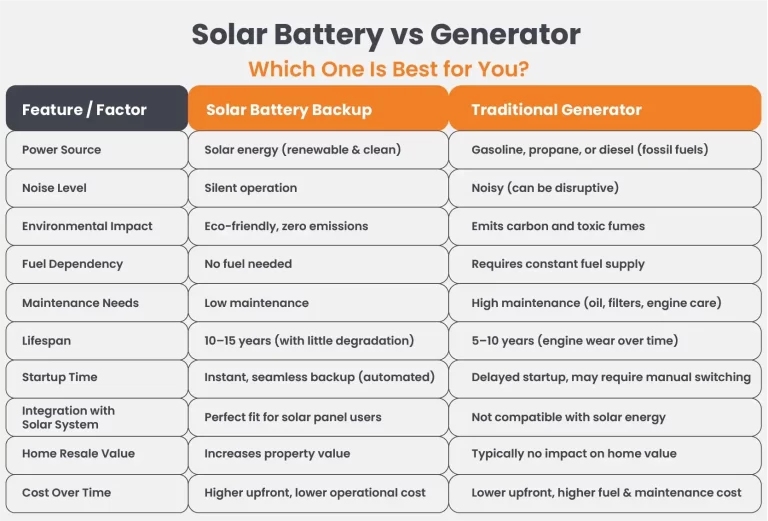
Credit: solarsme.com
Frequently Asked Questions
Is It Better To Have Solar Panels Or A Generator?
Solar panels are eco-friendly and reduce electricity bills. Generators are reliable during power outages. Panels are cost-effective long-term, while generators offer immediate backup. Choose based on energy needs and budget. Solar is sustainable; generators offer quick power. Consider installation and maintenance costs for both options.
Why Is My Electric Bill So High When I Have Solar Panels?
Your electric bill may be high due to insufficient solar panel coverage, increased energy consumption, or system inefficiencies. Check if your panels are generating enough energy and inspect for maintenance issues. Consider consulting a professional to optimize your solar system’s performance and reduce costs.
Can Solar Panels Replace A Generator?
Solar panels can replace generators by providing sustainable energy. They work well for homes with adequate sunlight. During cloudy days or at night, battery storage might be needed. Generators offer immediate power, while solar panels need storage solutions for continuous supply.
Consider costs, energy needs, and sunlight availability before choosing.
What Is The Major Disadvantage Of Solar Panels To Generate Electricity?
Solar panels face a major disadvantage of efficiency loss on cloudy days, reducing electricity generation significantly. They also require large space for installation, which can be challenging in urban areas. Additionally, initial costs are high, making it less accessible for some homeowners or businesses.
Conclusion
Solar panels and generators each have unique benefits. Solar panels provide renewable energy. They harness sunlight, reducing electricity bills. Generators offer reliable power during outages. They are portable and versatile. Consider your energy needs. Think about your budget and location.
Solar panels suit sunny areas and long-term savings. Generators work well for immediate, mobile power. Both options have pros and cons. Research thoroughly before deciding. Choose what fits your lifestyle best. Energy efficiency matters. Make a choice that meets your needs.
Sustainable solutions benefit you and the environment. Make your energy choice wisely.