
Have you ever wondered if a standby generator is a worthwhile investment for your Midwest home? Power outages are more common than you might think, and the Midwest is no stranger to unpredictable weather.
From fierce snowstorms to intense summer storms, these events can leave you without power for hours, or even days. Imagine being stuck without lights, heat, or the ability to keep your food fresh. It’s enough to make anyone uneasy. But don’t worry, you’re not alone in this.
Many homeowners in the Midwest are asking the same question: Are standby generators truly necessary? Let’s dig deeper into why having a reliable backup power source might just be the peace of mind you need.

Credit: midwest-generators.com
Power Challenges In The Midwest
The Midwest often faces severe weatherlike storms, snow, and ice. These conditions can cause power outagesthat last for hours or days.
Electric grids in this region sometimes struggle with reliability. Aging equipment and high demand can increase the chance of blackouts. This affects both homes and businesses, disrupting daily life and work.
- Homes lose heat and lighting during outages.
- Businesses stop operations, causing income loss.
- Safety can be at risk without power.
Standby generators help keep power on during outages. They provide peace of mindand protect important devices from damage.
Benefits Of Standby Generators
Standby generatorsprovide a continuous power supplyduring outages. This means no interruptions in daily activities. Power stays on for lights, heating, and cooling systems. This is very important during storms or cold winters.
They also help with safety and security. Security cameras and alarms keep working without power. This keeps homes and families safe. Emergency systems like smoke detectors stay active too.
Protection of appliances and devicesis another key benefit. Sudden power loss can damage electronics. Standby generators give a steady flow of power. This prevents damage and saves money on repairs.
Types Of Standby Generators
Portable generatorscan be moved and used in many places. They are good for short power outages or small homes. These generators run on gasoline or propane. Stationary generatorsare fixed outside your home. They turn on automatically during power cuts. These usually use natural gas or propane.
| Fuel Type | Advantages | Drawbacks |
|---|---|---|
| Gasoline | Easy to find, good for portable use | Needs refilling often, stores poorly |
| Propane | Burns cleaner, stores longer | More expensive, needs special tanks |
| Natural Gas | Continuous supply, low cost | Needs connection to gas line |
Choosing the right size is key. Small generators power a few devices. Larger ones can run whole homes. Check your home’s power needs before buying. This helps avoid buying too big or too small.

Credit: midwest-generators.com
Installation Considerations
Location and spacematter for installing standby generators. Choose a dry, flat spot away from windows and doors. It must have good airflow and be easy to reach for maintenance. The area should be big enough for the generator and its fuel source.
Permits and rulesvary by town or city. Check local laws before installation. Some places need a permit or inspection. Following these rules keeps the installation safe and legal.
Deciding between professional or DIYinstallation depends on skill. Professionals ensure the generator works safely and meets all codes. DIY may save money but risks mistakes. Proper wiring and fuel connections are critical to avoid hazards.
Cost And Maintenance
Standby generators require an initial investmentthat varies by size and brand. Prices often range from $2,000 to $10,000or more. Installation costs add another few thousand dollars, depending on the complexity.
Operating expensesinclude fuel costs, which depend on generator use and fuel type. Natural gas models often cost less to run than propane or diesel. Electricity usage for automatic transfer switches also adds to costs.
- Check oil and filters every 50-100 hours of use.
- Keep the battery charged and clean.
- Run the generator monthly to keep it ready.
- Schedule professional inspections yearly.
Routine maintenance helps avoid costly repairs and ensures reliable power. Simple care keeps the generator ready during outages.
Alternatives To Standby Generators
Battery backup systemsstore energy to power your home during outages. They are quiet and need less space than generators. These systems charge during the day and work automatically when power fails. Batteries can power essential devices for several hours. They do not use fuel, so they are clean and safe.
Solar power solutionsuse sunlight to create electricity. Solar panels on the roof collect energy, which can power your home or charge batteries. Solar works well in sunny times but needs backup on cloudy days. It helps reduce electric bills and pollution.
Hybrid systemscombine generators, batteries, and solar panels. This mix gives you power from many sources. Hybrid systems switch smoothly between solar, battery, and generator. They offer reliable power and use less fuel. This setup is good for places with changing weather.
Real-life Experiences
Many Midwest residents face power outages during storms and cold weather. These outages cause loss of heat, food spoilage, and safety concerns. Some families shared stories of being without power for days. They used portable generatorsbut found them noisy and unsafe indoors.
Standby generators start automaticallywhen power goes out. They keep home systems running smoothly, including heat and refrigerators. Many say these generators brought peace of mindduring harsh winters.
Lessons learned from these experiences:
- Power outages can last longer than expected.
- Portable generators need careful handling and fuel.
- Standby generators provide constant, safe power.
- Installation cost is offset by comfort and safety.
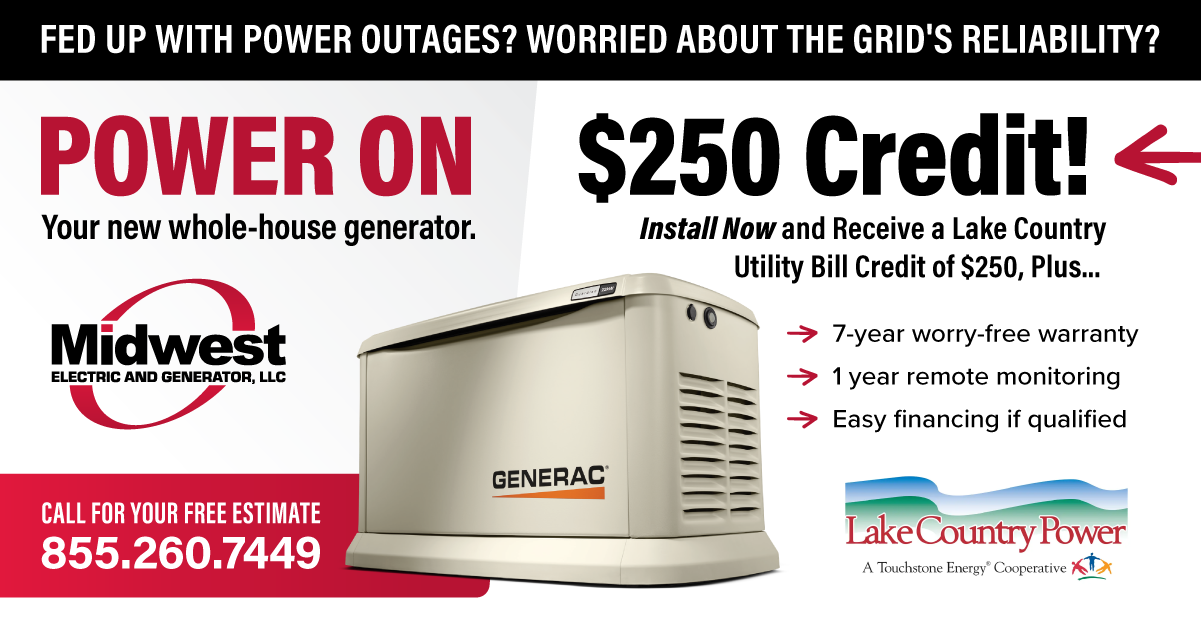
Credit: lakecountrypower.coop
Frequently Asked Questions
Are Standby Generators Common In The Midwest?
Yes, standby generators are common in the Midwest due to frequent storms and power outages. They provide reliable backup power for homes and businesses during emergencies.
How Do Standby Generators Benefit Midwest Homeowners?
Standby generators offer continuous power during outages, ensuring safety and comfort. They protect appliances, heating systems, and medical devices from sudden power loss.
What Size Generator Is Ideal For Midwest Homes?
The ideal generator size depends on your power needs. Typically, a 7-20 kW generator covers essential household appliances and heating systems in Midwest homes.
Are Standby Generators Cost-effective For Midwest Residents?
Yes, standby generators can save money by preventing damage from power outages. They reduce food spoilage, heating costs, and potential repair expenses.
Conclusion
Power outages happen often in the Midwest. Standby generators keep your home safe and comfortable. They start automatically when the power goes out. This means no freezing or spoiled food. Generators also protect important devices like computers. Having one gives peace of mind during storms.
They make life easier when the grid fails. Many families find them worth the cost. Think about your needs and local weather. A standby generator can be a smart choice. It helps you stay prepared and secure.