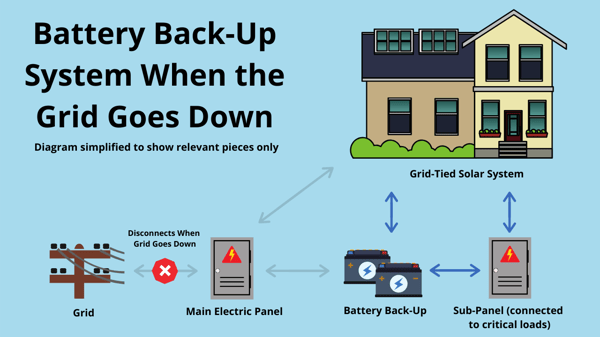
Have you ever wondered if your home backup battery can charge directly from the grid? With the growing interest in renewable energy and the ever-present need for reliable power, this question is becoming more relevant than ever.
Imagine a scenario where your lights stay on, your refrigerator keeps running, and your devices remain powered even during unexpected outages. Understanding how your backup battery system interacts with the grid can make this dream a reality. This article will delve into the intricacies of grid-charging capabilities, offering you insights that could transform how you manage your home’s energy.
Stay with us as we uncover how this technology can enhance your energy independence and peace of mind.

Credit: bslbatt.com
Home Backup Battery Basics
Home backup batteries store energy for power outages. They come in different types. The most common are lithium-ion and lead-acid batteries. Lithium-ion batteries are light and have a long life. They charge and discharge quickly. Lead-acid batteries are heavier but cost less. They are reliable and have been used for years. Choosing the right battery depends on your needs and budget.
Backup batteries provide power during outages. They keep essential devices running, like lights and fridges. Batteries also reduce electricity bills. They store energy from the grid when it’s cheap. Later, they use it when electricity costs more. This can save money over time. Batteries also support renewable energy like solar panels. They store extra solar power for cloudy days or nights.
Grid Charging Mechanism
Home backup batteries can charge directly from the grid, providing reliable power during outages. This mechanism ensures consistent energy supply, even when solar panels are inactive. Efficient grid charging helps maintain energy security and supports seamless transitions between power sources.
How Grid Charging Works
Home backup batteries can charge from the grid. The process is simple. The battery connects to your home’s power system. Electricity flows from the grid to the battery. Energy is stored for later use. This helps during power outages. Charging can happen at night. Nighttime energy rates may be lower. This saves on costs.
Key Components Involved
- Battery: Stores electricity from the grid.
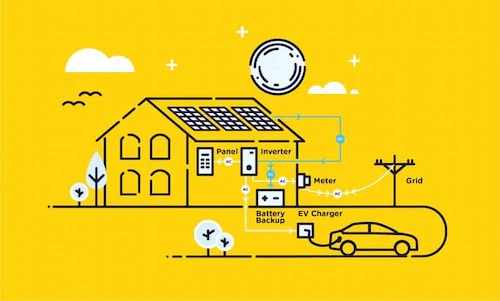
- Inverter: Converts energy for battery storage.
- Grid Connection: Provides power to charge the battery.
- Control System: Manages the flow of electricity.
These components work together seamlessly. They ensure reliable charging. Battery performance depends on these parts.
Efficiency Factors
Home backup batteries can charge from the grid, providing reliable power during outages. This setup ensures energy availability when needed most. Efficient charging depends on battery capacity and grid compatibility.
Battery Technology Impact
Batteries use different technologies to store energy. Some are better than others. Lithium-ion batteries are very common. They can store a lot of energy. Efficiency depends on how well a battery stores and releases energy. Newer technologies are more efficient. They waste less energy.
Energy Loss Considerations
Energy loss happens when energy moves through wires. Energy travels from the grid to the battery. Some energy is lost as heat. Minimizing loss is important. Shorter wires lose less energy. Good wiring helps batteries work better. Energy loss affects how much energy you can use later.
Environmental Influences
The environment affects battery performance. Temperature changes can impact efficiency. Batteries work best in cool places. Very hot or cold places can reduce performance. Proper storage helps protect batteries from extreme temperatures. This keeps them working well.

Credit: www.reddit.com
Cost Implications
Charging a home backup battery from the grid may lead to increased electricity bills. Consider off-peak hours for cheaper rates. Evaluate long-term savings versus initial investment to determine overall financial impact.
Initial Setup Costs
Buying a home backup battery can be expensive. The cost varies based on the size and brand. Installation adds to the cost. Hiring a professional is necessary. They ensure everything is set up safely. A larger battery costs more but stores more power. Smaller batteries are cheaper but hold less power. Consider your home’s power needs before buying.
Long-term Savings Potential
Home backup batteries can save money over time. They store power when electricity is cheap. Use stored power during peak hours to save on bills. Over time, these savings add up. Batteries help during power cuts too. This means no loss of food in fridges or freezers. Though the initial cost is high, the long-term benefits can be worthwhile.
Technological Innovations
Exploring home backup batteries? Yes, they can charge from the grid. This innovation ensures power availability during outages, keeping homes running smoothly.
Advancements In Battery Technology
Batteries have become smarterand more efficient. They can store more energy. New materials help them last longer. These batteries are also safer. They prevent overheating and fires. This is important for home use. Some batteries can charge from the grid. They store power for later use. This helps during power outages. It also saves money on electricity bills.
Smart Grid Integration
Smart grids help homes use energy wisely. They work with modern batteries. These grids manage energy flow. They know when to charge batteries. This happens when electricity is cheap. Smart grids also balance energy use. They reduce waste and save money. Homes can use stored power anytime. This makes energy use more reliableand cost-effective.
Case Studies
Exploring the potential of home backup batteries reveals they can indeed charge from the grid. This capability ensures reliable power during outages. Understanding its benefits helps homeowners make informed energy decisions.
Successful Implementations
Many homes have integrated backup batteries successfully. These batteries charge directly from the grid. Homeowners report reliable power during outages. Their batteries provide steady energy for essential devices. Families experience fewer disruptions with this setup. They enjoy peace of mind during storms or blackouts. Grid charging ensures batteries are always ready.
Challenges Encountered
Some installations face technical difficulties. Grid charging can be complex. Home systems must be compatible with batteries. Special wiring might be needed. Installation costs can be high. Some users find maintenance challenging. Battery lifespan can vary. Unexpected outages can still occur. These issues require careful planning.
Future Outlook
Exploring the future of home energy solutions, a backup battery can indeed charge from the grid. This capability ensures a reliable power supply during outages, enhancing energy independence and efficiency.
Trends In Battery Efficiency
Batteries are becoming more efficient every year. New materials improve how batteries store energy. Lithium-ion batteries are popular and getting better. They last longer and charge faster. Scientists are working on solid-state batteries. These might be safer and last even longer. Small changes can make a big difference in efficiency.
Impact On Energy Consumption
Batteries can help homes use less energy. They store energy when it is cheap. Homes use this stored energy when electricity costs more. This can save money for families. Batteries also help during power outages. Homes can still have electricity even when the grid is down. Smart homes can manage energy better with batteries. They know when to charge and when to use stored energy. This helps save more energy and money.
Credit: gycxsolar.com
Frequently Asked Questions
Can Home Batteries Be Charged From The Grid?
Yes, home batteries can be charged from the grid. This allows storing energy for later use. Charging from the grid provides backup during power outages. It also helps in managing energy costs effectively. Ensure your battery system supports grid charging for optimal performance.
Am I Allowed To Charge My Powerwall From The Grid?
Yes, you can charge your Powerwall from the grid. It’s allowed and provides backup during outages. Ensure settings permit grid charging. Check local regulations for any specific restrictions or requirements. Charging from the grid can optimize energy management and reduce costs.
Always follow manufacturer guidelines and consult with your installer.
Can A Powerwall Be Used Off The Grid?
Yes, a Powerwall can be used off the grid. It stores solar energy for use during power outages. Ensure your system setup supports off-grid functionality. Powerwall provides reliable backup power and energy management.
Do Battery Backups Recharge?
Yes, battery backups recharge. They store energy from a power source and provide it during outages. Regular charging ensures optimal performance and longevity. Always follow manufacturer guidelines for safe and efficient recharging. Regular maintenance can extend the life of your battery backup system.
Conclusion
Home backup batteries can indeed charge from the grid. This offers convenience during power outages. Homes stay powered even when the sun isn’t shining. It’s a simple way to ensure energy reliability. Consider your energy needs before choosing a battery.
Some batteries work better for specific situations. Research and consult experts for the best choice. Grid charging provides a dependable energy source. Stay prepared for unexpected power interruptions. A home backup battery is a smart investment. Keep your home powered with ease and confidence.