
Imagine facing a power outage and realizing your well pump has stopped working, leaving you without water. It’s a scenario many homeowners dread.
But what if you could ensure a steady water supply even during blackouts? That’s where a home backup system comes into play. You might be asking yourself, “Can a home backup system run a well pump effectively? ” Understanding this could be the key to keeping your household running smoothly in times of need.
Dive into this article to uncover how a reliable backup system can safeguard your water access, offering you peace of mind and uninterrupted living. Keep reading to discover how you can enhance your home’s resilience with the right solutions.

Credit: www.jackery.com
Home Backup Systems
Home backup systems keep your house running during power outages. They are important for keeping essential devices on. This includes your well pump. Backup systems come in many types. Each has its own benefits and drawbacks. Choosing the right one is crucial for your needs.
- Generator:Runs on fuel. Good for short outages.
- Solar Power:Uses sunlight. Environment-friendly.
- Battery Backup:Stores electricity. Quiet and clean.
Each type has unique features. Select based on your home setup.
Backup systems use different power sources. Generators need gasoline or diesel. Solar panels use the sun’s energy. Batteries store electricity from the grid. Each source has its pros and cons. Fuel-based systems may pollute the air. Solar is clean but needs sunlight. Batteries may not last long during extended outages.
Understanding Well Pumps
Well pumpsbring water from underground to your home. They are essential for homes not connected to city water. These pumps help water move from deep in the ground. They ensure your home has enough water for daily needs.
Types Of Well Pumps
There are different types of well pumps. The most common are jet pumpsand submersible pumps. Jet pumps are located above the ground. They use suction to pull water up. Submersible pumps are inside the well. They push water upwards. Choosing the right pump depends on the well depth.
Power Requirements For Well Pumps
- Jet pumps need electricity to run.
- Submersible pumps also use electric power.
- Pumps may need backup power during outages.
- Backup systems ensure pumps keep working.
Compatibility Factors
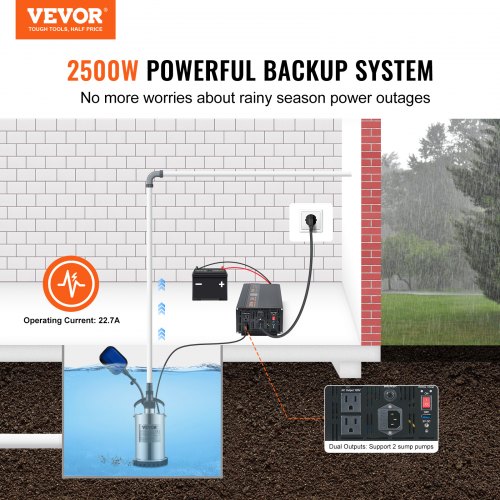
Well pumps need a specific voltage and amperageto work. A home backup system should match these needs. Check your pump’s requirements first. Most pumps use 120V or 240V. Your backup system must support this. Also, check the amperage. Pumps often need 10 to 20 amps. Ensure your system can handle this load.
Well pumps need more power to start. This is called startup power. The pump might use 2 to 3 times more power at start. Your backup system should handle this surge. If it can’t, the pump won’t start. Check your system’s capacity for startup power. Make sure it can support the pump’s needs. This will keep your water supply running smoothly.
Credit: www.vevor.com
Choosing The Right Backup System
It’s important to know your well pump’s power needs. This helps in choosing the right backup system. Calculate the total watts your pump uses. Include starting and running watts. Ensure your backup system can handle these watts. A system too small won’t run the pump. A system too big may waste energy.
Batteries and generators are common backup choices. Batteries are silent and clean. They need regular charging. They are good for short outages. Generators are louder but can run longer. They need fuel like gas or diesel. Choose based on your needs and budget. Both have pros and cons. Pick the one that fits your situation best.
Installation And Setup
Installing a home backup system can support a well pump, ensuring uninterrupted water supply during outages. Selecting the right generator size and proper setup is crucial for seamless operation.
Professional Vs. Diy Setup
Professional setupensures everything works properly. Experts handle the installation. They know the best methods for connecting the backup system to the well pump. This reduces the risk of mistakes.
DIY setupmight seem cheaper. But it requires knowledge and skills. You need to understand electrical connections. Safety is very important. Incorrect setup can damage the system or cause injuries. Consider your skill level before choosing DIY.
Safety And Regulations
Safety rules must be followed for installing backup systems. Electrical codes ensure safe operation. Local regulations might require permits. Always check the rules in your area. Follow instructions carefully. Use the right tools. Ensure all connections are secure. This keeps your system safe and working well.
Maintenance And Monitoring
Home backup systems can power a well pump, ensuring water access during outages. Proper maintenance keeps these systems reliable. Regular monitoring helps identify potential issues early, safeguarding the pump’s functionality.
Regular System Checks
Regular checks ensure your backup system works well. Inspect cables for wear and tear. Clean any dust from the system parts. Check battery levels often. Make sure connections are tight. Listen for unusual sounds from the system. Look for any leaks or rust. Replace old parts when needed.
Troubleshooting Common Issues
Identify problems early to keep your pump running. If the pump doesn’t start, check the power supply. Ensure all switches are on. If water flow is weak, inspect for blockages. Check the pressure gauge for proper levels. Listen for strange noises from the pump. Look for leaks around the pump area. Tighten loose connections to prevent leaks.
Credit: www.jackery.com
Frequently Asked Questions
Can A Battery Backup Run A Well Pump?
Yes, a battery backup can run a well pump. Ensure the backup system matches the pump’s power requirements. Choose a high-capacity inverter and battery to handle the initial surge. Regular maintenance and proper installation are crucial for efficient operation. Consider consulting a professional for optimal setup.
How To Winterize A House With A Well Pump?
Drain the water from the pump and pipes to prevent freezing. Insulate exposed pipes for protection. Cover the well pump with an insulated cover. Disconnect electricity to the pump. Ensure well cap is sealed tightly to prevent debris entry.
How To Power A Well Pump During A Power Outage?
Use a portable generator to power your well pump during a power outage. Ensure the generator matches the pump’s voltage and wattage requirements. Connect the pump directly to the generator using a heavy-duty extension cord. Always follow safety guidelines to prevent accidents or damage.
Can A Portable Power Station Run A Well Pump?
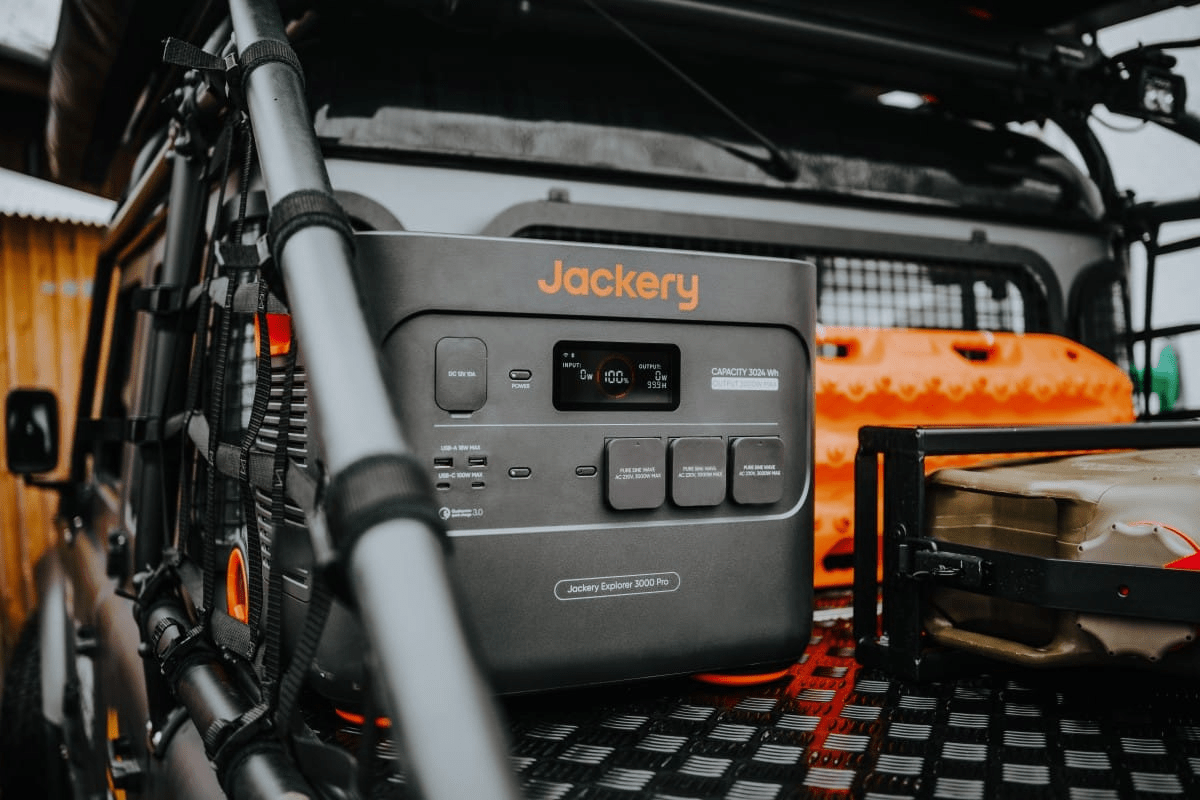
A portable power station can run a well pump if it meets the pump’s wattage and voltage requirements. Check the pump’s specifications and the power station’s capacity to ensure compatibility. Always verify both startup and running wattage to avoid overloading the power station.
Conclusion
Home backup systems can power a well pump effectively. It’s crucial to select the right system size. Consider your well pump’s wattage needs. Choose a backup system that matches or exceeds this. Ensure seamless operation during outages. Regular maintenance keeps your backup system reliable.
Test it periodically to avoid surprises. Invest in quality components for long-term peace of mind. A well-managed backup system brings security. You won’t worry about water access during power cuts. Research and planning help ensure success. Stay prepared and informed.
Your well pump deserves it.