Imagine being able to power your computer without relying on traditional electricity sources. What if you could harness the sun’s energy to keep your device running smoothly?
As more people seek sustainable energy solutions, the concept of using a solar generator to power a computer is becoming increasingly intriguing. You might wonder if it’s possible, practical, or even cost-effective. We’ll delve into the potential of solar generators, uncovering the truth about their capabilities and limitations.
Get ready to explore how you can take a step towards energy independence and contribute to a greener planet, all while keeping your tech essentials up and running. Are you curious to find out if a solar generator can truly power your computer? Let’s find out together.

Credit: uk.vtoman.com
Solar Generators: Basics
Solar generators are fascinating devices that convert sunlight into electrical energy. They offer a sustainable way to power various appliances, including your computer. But how exactly do they work, and what makes them tick?
How Solar Generators Work
At their core, solar generators harness energy from the sun. This energy is captured by solar panels, then converted into electricity. The electricity is stored in a battery, ready to power your devices when you need it.
Imagine powering your computer while camping in the great outdoors, far from the nearest power outlet. A solar generator makes this possible by providing a reliable energy source, even when the sun isn’t shining. The stored energy in the battery ensures your devices have power at night or during cloudy days.
Components Of A Solar Generator
- Solar Panels:These are the first step in the energy conversion process. They capture sunlight and convert it into direct current (DC) electricity.
- Battery:Once the electricity is generated, it needs a place to be stored. The battery keeps the power until you’re ready to use it.
- Inverter:Your computer can’t run on DC power, so the inverter converts it into alternating current (AC), which is compatible with most household devices.
- Charge Controller:This component ensures that the battery doesn’t overcharge or discharge too quickly, extending its life and efficiency.
These components work seamlessly together, making solar generators a practical choice for environmentally conscious tech users. Have you ever thought about the potential of using one for your computer setup?
Understanding the basics of solar generators can open up new possibilities for sustainable energy use. With the right setup, you can enjoy the benefits of green energy without sacrificing the convenience of modern technology.

Credit: www.dji.com
Power Requirements For Computers
Understanding the power requirements for computers is crucial in determining if a solar generator can support them. Computers come in various sizes and types, each having unique power needs. Knowing these needs helps in planning for efficient energy use.
Typical Computer Power Consumption
Desktop computers usually consume more power than laptops. A typical desktop uses between 200 to 500 watts per hour. Laptops are more energy-efficient, using around 50 to 100 watts per hour. Tablets and smartphones consume even less power, often below 50 watts. The power consumption varies depending on the tasks being performed. High-performance tasks like gaming or video editing use more energy.
Factors Affecting Power Usage
Several factors influence a computer’s power usage. The type of processor used can affect energy consumption. High-end processors require more power. Graphics cards also play a role. Dedicated graphics cards use more energy compared to integrated ones. The number of peripherals attached, like printers or external drives, can increase power needs. Software being run affects power usage too. Intensive programs and applications can lead to higher consumption.
Solar Generators For Computer Use
Solar generators offer a clean and renewable energy solution for powering computers. They harness sunlight to generate electricity, providing a sustainable alternative to traditional power sources. Ideal for remote locations or eco-conscious users, solar generators can efficiently run computers. Understanding their capabilities ensures seamless integration into your tech setup. Explore the potential of solar generators for computer use, ensuring your device remains powered even off the grid.
Choosing The Right Solar Generator
Select a solar generator that aligns with your computer’s power requirements. Consider the generator’s wattage capacity to match your device’s consumption. Look for models with reliable battery storage for uninterrupted power supply. Portability is key for easy transport and placement. Opt for durable designs that withstand varied weather conditions. Compatibility with your computer’s power adapters is crucial. Evaluate additional features like USB ports for other devices. Ensuring these factors helps in choosing the ideal solar generator.
Calculating Power Needs
Determine your computer’s energy consumption to select an appropriate solar generator. Check the wattage listed on your computer or its power adapter. Calculate the total power usage over time for accurate generator sizing. Factor in additional devices you might use simultaneously. Use online calculators for precise power estimations. Ensure the solar generator can handle peak power demands. Adequate calculations prevent power shortages during use. Understanding power needs ensures efficient and reliable operation.

Credit: www.jackery.com
Setting Up A Solar-powered Computer
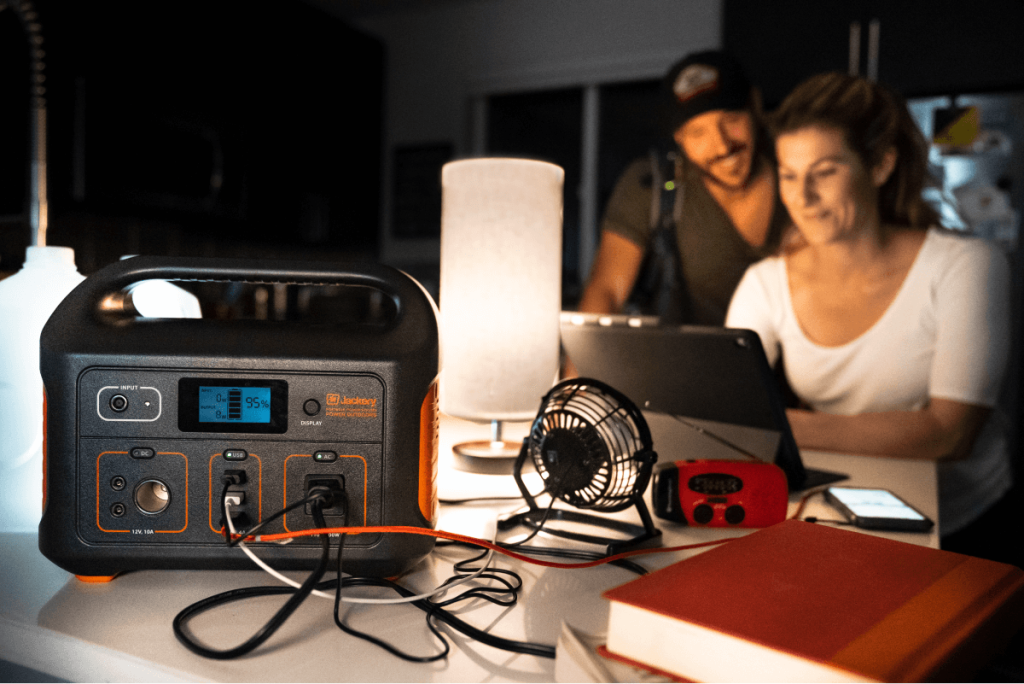
Exploring renewable energy options? A solar generator can power a computer efficiently. It offers an eco-friendly solution, reducing electricity bills while maintaining device performance.
Setting up a solar-powered computer can be an exciting project that combines technology with sustainability. Imagine working on your computer, knowing it’s powered by the sun! It not only reduces your carbon footprint but also cuts down on electricity bills. But how do you ensure that your computer runs smoothly on solar power?Installation Process
Start by selecting a solar generator that matches your computer’s power requirements. Check your computer’s wattage, which is usually found on the power adapter. Choose a solar generator that can provide slightly more power than needed to accommodate fluctuations. Position your solar panels where they receive maximum sunlight. If you live in a sunny area, consider placing them on your roof or a sunlit balcony. This ensures efficiency in harnessing solar energy. Connect your solar generator to the solar panels using the provided cables. Most generators come with clear instructions and are user-friendly. Ensure all connections are secure to avoid power interruptions.Ensuring Stable Power Supply
To maintain a steady power supply, it’s crucial to monitor your solar generator’s battery level. Consider using a power management system to track energy consumption. This helps in optimizing usage and extending battery life. If your area experiences cloudy days frequently, having a backup plan is essential. You might want to invest in additional battery storage or a small inverter to connect to the grid. This way, you can ensure uninterrupted power to your computer. Keep your solar panels clean and free from debris. Dust and dirt can significantly reduce their efficiency. A simple wipe-down every few weeks can help maintain their performance. Have you ever thought about how much energy your computer consumes daily? Going solar offers a practical and eco-friendly solution to power your digital lifestyle. With the right setup and maintenance, you can enjoy a reliable and sustainable energy source for your computing needs.Advantages Of Solar-powered Computers
Solar generators can efficiently power computers, offering eco-friendly energy solutions. They reduce electricity bills and promote sustainability. Ideal for remote areas with limited access to traditional power sources.
Solar-powered computers offer numerous advantages. They’re sustainable and cost-effective. These benefits make them an attractive choice for many users.Environmental Benefits
Solar-powered computers use renewable energy. This reduces reliance on fossil fuels. As a result, there’s less carbon footprint. Solar energy is clean and abundant. Using it helps preserve our planet. Every solar-powered device contributes to a healthier environment.Cost Efficiency
Solar energy can lower electricity bills. Once installed, the energy is free. This can save money over time. Solar panels have long lifespans. They require minimal maintenance. Initial costs might be high, but they pay off. Savings on electricity make solar a wise choice.Challenges And Considerations
Using a solar generator to power a computer presents unique challenges. It’s important to understand the technical limitations and environmental factors. These considerations can affect the performance and reliability of solar-powered systems.
Technical Limitations
Computers require consistent power for optimal performance. Solar generators produce power based on sunlight availability. This can lead to fluctuations in energy supply. Solar panels convert sunlight into electricity, but efficiency can vary. If the generator’s capacity is limited, it might not handle high energy demands. Battery storage solutions can help, but they add to the cost. It’s crucial to match the generator’s output with the computer’s requirements. A mismatch can lead to interruptions or damage.
Weather And Location Factors
Weather greatly influences solar energy production. Cloudy days reduce the efficiency of solar panels. Geographic location plays a role too. Areas with less sunlight might not generate enough power. Seasonal changes can affect energy availability. During winter, sunlight hours are shorter. This can impact the ability to run a computer continuously. Solar generators rely on clear skies for optimal energy generation.
Future Of Solar-powered Electronics
Can a solar generator power a computer? Yes, it can. Solar generators convert sunlight into electricity, which can run computers efficiently. As solar technology advances, powering electronics with renewable energy becomes more practical and sustainable.
The future of solar-powered electronics is bright. Solar technology is advancing rapidly. It offers sustainable energy solutions for devices like computers. These solutions reduce reliance on traditional power sources. They also promote eco-friendly alternatives. The integration of solar power in electronics is gaining momentum. It represents a shift towards cleaner energy usage.Innovations In Solar Technology
Recent innovations in solar technology are remarkable. Solar panels have become more efficient. They convert sunlight into electricity effectively. Smaller solar cells can power individual devices. These developments allow more gadgets to use solar energy. Flexible solar panels are emerging. They can be integrated into various surfaces. This makes solar power more versatile and accessible.Potential For Wider Adoption
The potential for wider adoption of solar-powered electronics is significant. Costs of solar panels are decreasing. This makes them more affordable for consumers. People are becoming more environmentally conscious. There is a growing demand for green energy solutions. Governments are supporting solar initiatives. They offer incentives for using renewable energy. Solar-powered computers can become mainstream. This shift would reduce carbon footprints globally.Frequently Asked Questions
Can A Solar Generator Power A Laptop?
Yes, a solar generator can power a laptop. Ensure the generator’s output matches the laptop’s power requirements. Use the appropriate adapter for efficient charging. Solar generators are eco-friendly and portable, ideal for outdoor use or power outages.
How Long Will A Jackery 1000 Run A Laptop?
A Jackery 1000 can run a laptop for approximately 8-12 hours. The duration depends on the laptop’s power consumption.
Is It Safe To Run A Pc On A Generator?
Running a PC on a generator is safe if the generator provides stable power. Use a surge protector to safeguard against power fluctuations. Ensure the generator has enough wattage to support your PC and other devices. Regular maintenance of the generator helps prevent electrical issues.
Can I Run My Pc On Solar Power?
Yes, you can run your PC on solar power. Install solar panels and batteries to store energy. Ensure the system provides enough wattage for your PC’s consumption. Consult with professionals for proper setup. Solar power can be a sustainable and eco-friendly solution for your computer needs.
Conclusion
Solar generators can definitely power a computer. It’s a practical option. They offer clean energy. No pollution. Environment-friendly choice. Ideal for remote areas. You save on electricity bills. Helps during power outages. Reliable source. Great for travelers. Portable and easy to use.
Just ensure the generator’s capacity. Match it with your computer’s needs. Check the wattage. Confirm compatibility. Plan for battery storage. Keep your devices running smoothly. Solar power is sustainable. A smart move for the future. Keep your tech powered. Stay connected.
Embrace solar energy solutions. Simple and effective way.