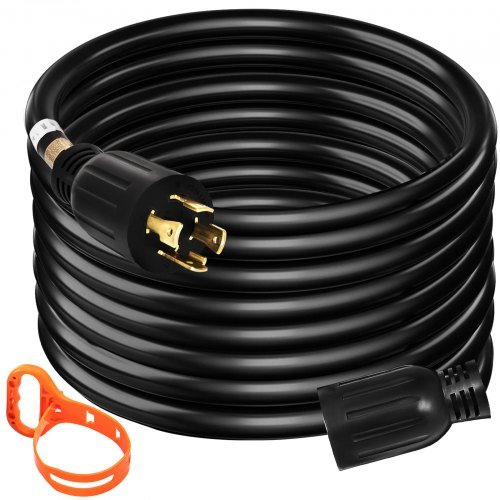
Imagine you’re in the middle of an important task, and suddenly, your generator stops working. Panic sets in, and you realize the culprit is the power cord.
If you’ve ever wondered about the lifespan of a generator power cord, you’re not alone. Knowing how long your power cord will last can save you from unexpected interruptions and costly replacements. This article will reveal the secrets behind the durability of generator power cords, helping you make informed decisions and ensuring your equipment runs smoothly.
Dive in to discover how you can extend the life of your power cord and avoid the hassle of unexpected breakdowns.
Credit: www.vevor.com
Importance Of Power Cord Lifespan
Power cords are essential for running generators. A strong power cord ensures safety. Weak cords can cause accidents. Fire hazards are possible with damaged cords. Checking cords regularly is smart. It helps avoid problems early. Replacing old cords is important. New cords work better and last longer.
Proper storage extends cord life. Keep cords away from water. Water damages cords quickly. Avoid bending them too much. Bends make cords weak. Use cords that fit your generator. Wrong cords may not last long. Temperature changes affect cord lifespan. Extreme heat or cold can damage them.

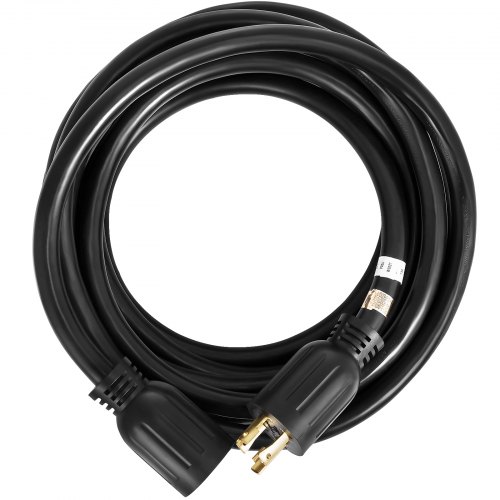
Credit: www.gearit.com
Factors Influencing Lifespan
The lifespan of a generator power cord depends on usage, environment, and maintenance. Frequent use and harsh conditions may shorten its durability. Regular inspections and proper storage can extend its life significantly.
Material Composition
The material of a power cord matters a lot. Strong materials last longer. Rubber and plastic are common choices. They handle wear and tear well. A cord with copper wires is a good choice. Copper conducts electricity efficiently. This makes the cord reliable.Usage Frequency
Using the cord often can wear it out. Daily use shortens its lifespan. Occasional use helps it last longer. It’s like a toy. The more you play, the faster it breaks. So, use it wisely.Environmental Conditions
Weather can affect the cord’s lifespan. Rain and snow can damage it. Sunlight can make it brittle. Store it inside when not in use. This keeps it safe from harsh conditions. A dry, cool place is best. `Signs Of Wear And Tear
Generator power cords can show cuts and cracksover time. These damages often occur from bendingor twistingthe cord too much. It can also happen if the cord is draggedover rough surfaces. Watch for spots where the rubber coatingis missing. This can expose the wires inside, which is dangerous. A damaged cord might not work well. It can even cause electrical shocksor fire.
Sometimes a cord seems fine but does not work right. The generator may not power up when connected. There might be flickering lightsor weak performance. These signs show the cord may need replacing. A cord that is too oldcan lose efficiency. It might cause devices to shut downunexpectedly. Always check if the cord is securely pluggedinto the generator.
Maintenance Tips
Understanding the lifespan of a generator power cord is essential for maintenance. Regular inspection and proper storage can extend its life, typically lasting up to 10 years. Keeping cords away from extreme temperatures and moisture ensures optimal performance.
Regular Inspection
Check the power cord for any visible damage or wear. Look for cracks or frayed wires. Ensure the plug is secure and not bent. Dust and dirt can harm the cord. Clean it gently with a damp cloth. Check the cord after each use. Ensure it is safe for the next time.
Proper Storage
Store the cord in a cool, dry place. Avoid direct sunlight or heat. Coil the cord loosely to prevent kinks. Keep it away from sharp objects. Use a box or bag for extra protection. Protect the cord from moisture. Wet cords can become unsafe quickly.
Choosing Durable Power Cords
Selecting a durable generator power cord ensures long-term performance. Typically, these cords last between 5 to 10 years. Proper maintenance and storage can extend their lifespan, providing reliable energy when needed.
Material Quality
Power cords last long if made from strong materials. Rubber and thermoplastic are popular choices. Rubber cords are flexible and resist wear. Thermoplastic cords are lightweight and affordable. Both materials offer good protection against heat.
Brand Reputation
Well-known brands usually offer reliable products. Trusted companies have tested their cords for safety. Their power cords often come with warranties. These warranties give peace of mind. Popular brands focus on high quality standards. They have a track record of satisfied customers.

Credit: www.amazon.com
Replacing Your Power Cord
Understanding the lifespan of a generator power cord is crucial for safety. Typically, these cords last 3-5 years with regular use. Regular inspections can extend their life, ensuring reliable performance.
When To Replace
Power cords wear out over time. Cracks, frays, or exposed wires are signs of damage. These can be dangerous. Check the cord regularly. Look for any wear and tear. If the cord feels hot, replace it. A damaged cord might not work well. Safety first! Keep your generator and home safe.
Selecting The Right Replacement
Choose a cord that matches your generator. Check the voltage and wattage. A wrong cord can be risky. Buy from trusted brands. Quality matters for safety. Check the length you need. Longer cords can be handy. Make sure the cord is strong and durable. A good cord lasts longer.
Frequently Asked Questions
How Long Does A Generator Plug Last?
A generator plug typically lasts 5 to 10 years. Usage frequency, environmental conditions, and maintenance can impact its lifespan. Regular inspections ensure safety and efficiency. Replace plugs showing wear, damage, or corrosion to maintain optimal performance. Always consult the manufacturer’s guidelines for specific recommendations.
How To Tell If A Power Cord Is Bad?
Check for visible damage or frayed wires. Test for power using a multimeter. Replace if it overheats or causes device issues. Listen for buzzing sounds or detect unusual odors. If the device doesn’t power on, the cord might be faulty.
Do You Need A Special Cord To Run A Generator?
Yes, a special cord is needed for generator use. Use heavy-duty, outdoor-rated extension cords for safety. Ensure the cord matches the generator’s wattage capacity and has grounded plugs. Proper cords prevent overheating and electrical hazards, ensuring efficient power transfer. Always check compatibility with your generator model.
How Long Should A Power Cord Last?
A power cord typically lasts 3 to 10 years, depending on usage and environmental factors. Regular inspection and maintenance can extend its lifespan. Replace the cord if you notice fraying, exposure to excessive heat, or damage to the plug. Proper care ensures safety and reliability.
Conclusion
Understanding the lifespan of a generator power cord matters. Regular checks extend its life. Look for signs of wear or damage. Replace cords showing frays or cracks. Proper storage helps prevent early wear. Keep cords dry and tangle-free. A well-maintained cord ensures safe power delivery.
This reduces risk of accidents. Investing in quality cords pays off over time. They last longer and perform better. Stay safe and power your devices efficiently. With care, your generator power cord serves you well for years. Always prioritize safety and maintenance.