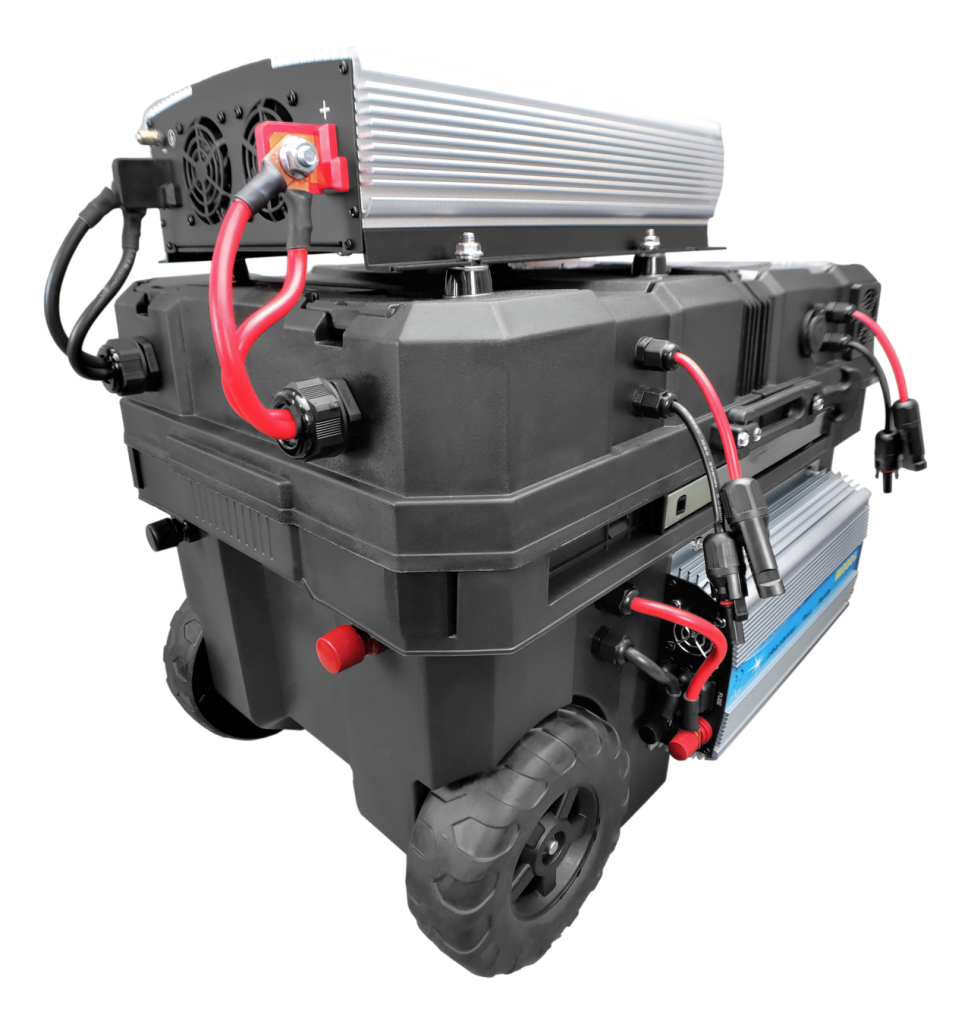
Imagine the freedom of living off-grid, surrounded by nature, with no utility bills to worry about. Sounds appealing, right?
But then there’s the challenge of power. How do you keep your lights on when you’re miles away from the nearest power line? This is where a generator comes in. But not just any generator setup will do; you need something robust and reliable.
Have you considered using a generator enclosure? We’re diving into whether a generator enclosure can be your off-grid power solution. You might be wondering if it’s worth the investment, if it will keep your generator safe from the elements, or if it can really help you achieve energy independence. We’ll explore the benefits, potential pitfalls, and everything else you need to know. By the end, you’ll have a clear picture of whether this could be the perfect fit for your off-grid lifestyle. Ready to power up your off-grid living? Let’s get started!

Credit: www.youtube.com
Benefits Of Generator Enclosures Off-grid
Generator enclosuresprovide strong protection against rain, wind, and dust. They keep the generator safe in harsh weather and prevent damage. This is very important for off-grid setups where weather can be unpredictable.
Noise from generators can be loud and disturbing. Enclosures help reduce noise levelsby absorbing sound. This creates a quieter environment around your home or campsite.
Keeping the generator inside a sturdy enclosure helps it last longer. It stops dirt and moisture from entering important parts. This extends the generator’s lifeand lowers repair costs.
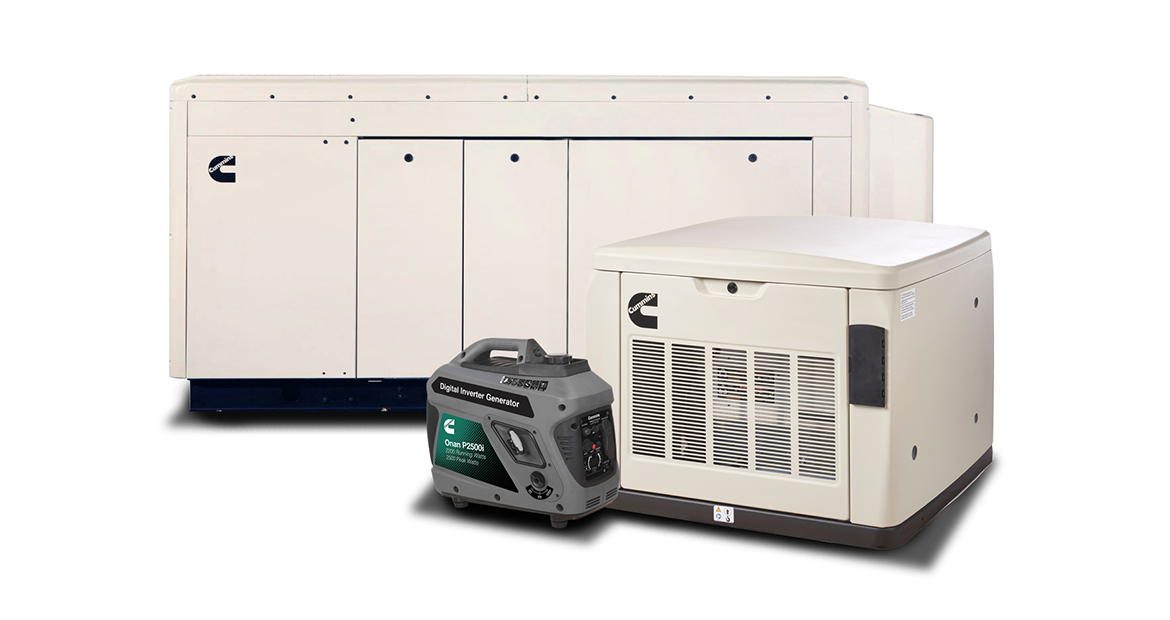
Credit: www.cummins.com
Types Of Generator Enclosures
Portable enclosuresare easy to move and fit small generators. They are light and quick to set up. Permanent enclosuresare fixed and made for large generators. These last longer and protect better.
Materials include steel, aluminum, and plastic. Steel is strong but heavy. Aluminum is lighter and resists rust. Plastic is cheap but less tough. Durability depends on weather and use.
| Ventilation Type | Purpose | Features |
|---|---|---|
| Natural Ventilation | Air flows through openings | Simple, no power needed |
| Forced Ventilation | Fans push air inside | Better cooling, needs electricity |
| Heat Shields | Protects parts from heat | Improves safety and life |
Safety Considerations For Off-grid Use
Proper ventilationis crucial to avoid dangerous carbon monoxide buildup. The enclosure must have enough openings for fresh air to flow in and exhaust gases to go out. Without good airflow, harmful gases can collect and cause serious health risks. Always place the generator enclosure away from windows and doors.
For fire safety, keep the area around the generator clear of flammable materials. Use fire-resistant materials for the enclosure walls if possible. Regularly check for fuel leaks and electrical faults. Have a fire extinguisher nearby in case of emergencies.
- Store fuelin approved containers.
- Keep fuel away from heat sources and sparks.
- Refuel the generator only when it is off and cool.
- Use proper tools and gloves when handling fuel.
Improving Efficiency With Enclosures
Generator enclosureshelp keep the unit safe and working well, even off-grid. They improve airflowby allowing cool air in and hot air out. This prevents overheatingand keeps the generator running longer without trouble.
Good airflow also helps coolthe parts inside. This means the generator uses fuel better and wastes less energy. Cooler parts last longer and need less fixing.
- Noise reduction:Enclosures lower sound levels by blocking engine noise.
- Protects:Keeps dust, rain, and animals away from the generator.
- Stable performance:Prevents damage from weather and helps the generator work well.
Keeping noise low is important in quiet places. An enclosure helps by absorbing soundand stopping loud noises from spreading. This makes the area more peaceful.
Installation Tips For Off-grid Enclosures
Choose a flat, dry spot for the enclosure to avoid water damage. Ground the enclosure properly to prevent electrical shocks and protect the generator. Use a grounding rod and connect it to the generator frame.
Seal all gaps tightly to keep rain and dust out. Use weatherproof paint or coatings on the enclosure surface. Make sure vents are covered with mesh to block pests but allow airflow.
Leave enough space around the enclosure for easy access during repairs. Doors should open fully without obstruction. Keep tools and spare parts nearby for quick maintenance.

Credit: www.reddit.com
Common Challenges And Solutions
Overheatingis a common problem in generator enclosures off-grid. Proper ventilation is key. Use vents or fans to keep air moving. This helps cool the generator and stops damage from heat build-up.
Moisture and corrosioncan damage metal parts inside the enclosure. Seal all openings well to keep water out. Use rust-resistant paints or coatings. Regular checks help find early signs of rust or leaks.
Noise from generators can bother nearby people. Adding soundproof materials inside the enclosure reduces noise. Position the generator away from living spaces if possible. Quiet operation makes living off-grid more comfortable.
Cost Considerations And Budgeting
Upfront investmentin a generator enclosure might seem high. Quality enclosures protect your generator from weather and theft. This protection saves money on repairs and replacements later. Over time, these savings can balance out the initial cost. Choosing a durable enclosure helps avoid extra expenses.
Selecting the right enclosure depends on your generator size, location, and climate. A well-fitted enclosure improves generator performance and lifespan. Sizes and materials vary, so pick one that fits your specific needs without extra costs.
- Regular maintenance keeps the enclosure and generator in good shape.
- Costs include cleaning, inspections, and minor repairs.
- Ignoring maintenance can lead to expensive breakdowns.
- Budget for routine checks to avoid surprises.
Frequently Asked Questions
Can Generator Enclosures Protect Off-grid Generators?
Yes, generator enclosures shield off-grid generators from weather, dust, and debris. They improve safety and reduce noise levels, enhancing overall generator performance.
Are Generator Enclosures Suitable For Remote Off-grid Locations?
Generator enclosures are ideal for remote off-grid sites. They ensure reliable operation by protecting the generator from harsh environmental conditions and minimizing maintenance needs.
Do Enclosures Improve Off-grid Generator Efficiency?
Enclosures help maintain stable operating temperatures and reduce noise. This leads to better efficiency and longer generator lifespan in off-grid applications.
What Materials Are Best For Off-grid Generator Enclosures?
Durable materials like steel and weather-resistant composites work best. They offer strong protection against corrosion, wind, rain, and extreme temperatures in off-grid settings.
Conclusion
Generator enclosures work well off-grid by protecting your unit. They keep the generator safe from weather and dust. Noise reduction is another big plus. This makes your off-grid living more comfortable. Choose the right size and material for best results.
Proper ventilation inside the enclosure is a must. Regular checks help maintain performance and safety. Off-grid power becomes more reliable with a good enclosure. This simple addition can improve your energy setup significantly. Consider one for quieter, safer, and cleaner generator use.