Imagine a stormy night where the power suddenly goes out. Your fridge stops humming, your lights flicker off, and your phone is on its last bar of battery.
But what about your electric vehicle (EV)? In times like these, having a reliable home backup system becomes more than a convenience—it’s a necessity. You might wonder, “Can my home backup system work with my EV charger? ” This question is more relevant now than ever, as more people embrace sustainable living and electric vehicles.
By exploring this topic, you’ll discover how integrating your home backup system with your EV charger can not only keep your life running smoothly but also enhance your energy independence. Dive in to find out how this synergy can transform your home into a powerhouse of efficiency and reliability. Are you ready to uncover the possibilities?
Credit: environmentamerica.org
Home Backup Systems Basics
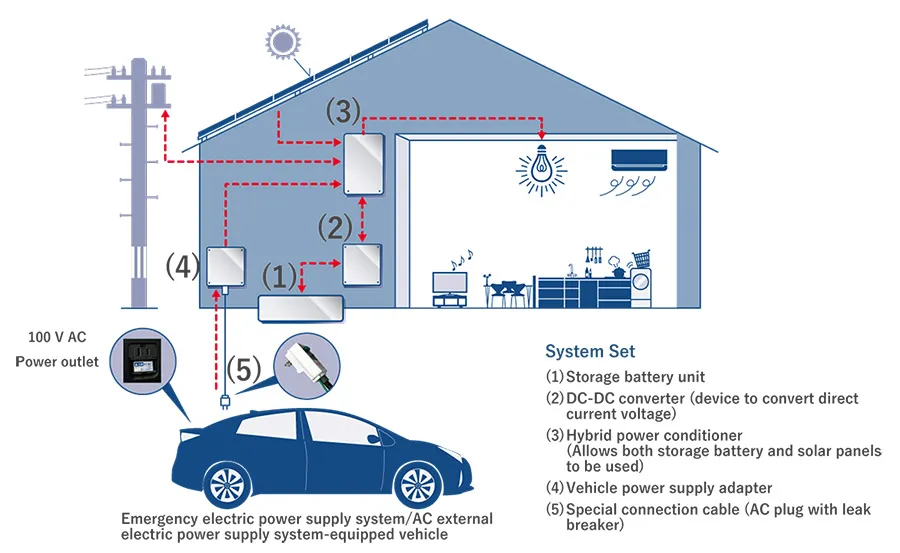
Home backup systems help power your house during a blackout. They use batteries or generators to keep essential devices running. These systems can connect with your main power source. This connection ensures lights and appliances stay on.
Some systems use solar panels to store energy. Solar panels gather energy from the sun. This energy charges the backup batteries. This method is eco-friendly and saves money.
Smart systems can automatically switch during power cuts. They detect when power goes out. Then, they start providing power immediately. This quick response helps avoid interruptions.
Choosing the right backup system is important. Consider your home’s energy needs. Some systems are better for larger homes. Others suit smaller spaces. Always check compatibility with your existing setup.
Types Of Ev Chargers
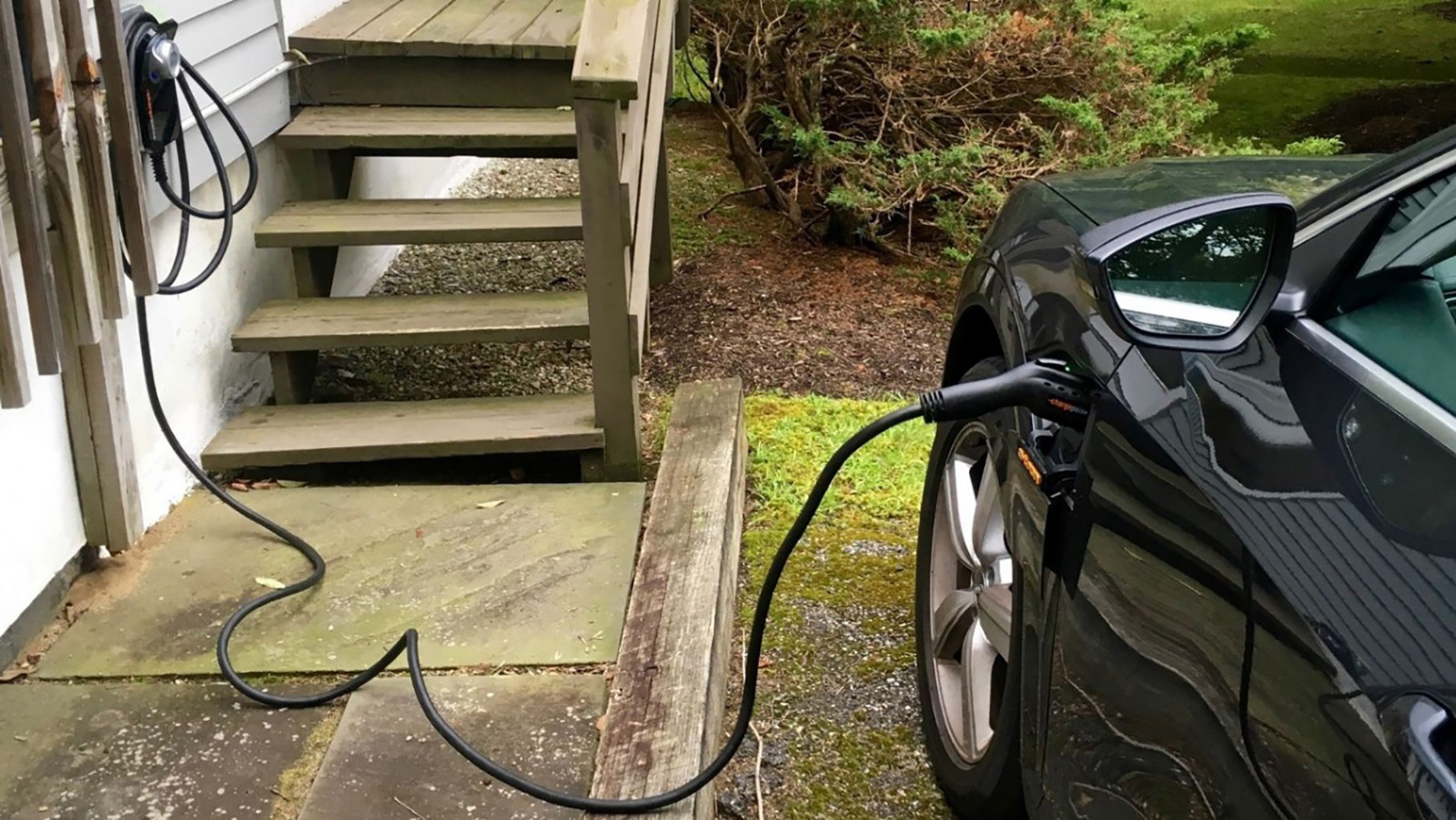
Electric vehicles need special chargers. They come in three main types. Each type has different speeds and uses.
- Level 1 Chargers: These use regular home outlets. They charge slowly. Overnight charging is needed.
- Level 2 Chargers: These need special outlets. They charge faster than Level 1. A few hours are enough.
- DC Fast Chargers: These are the fastest. They need special stations. Only minutes are needed for charging.
Choosing the right charger is important. It depends on your needs. Fast chargers are great for quick stops.
Integrating Backup Systems With Ev Chargers
Home backup systems can work with EV chargers. They provide power during outages. This ensures your electric vehicle stays charged. There are key things to consider for proper integration.
Compatibilityis essential. The backup system must match the charger’s power needs. Check if the systems are compatible before installation.
Power Outputshould be enough for both the home and the charger. Backup systems must supply sufficient energy. This avoids power shortages.
Installationby a professional is advised. Experts ensure safe and efficient setup. Proper installation prevents potential issues later.
Costis another factor to think about. Backup systems and chargers may be expensive. Plan your budget accordingly.
In summary, integrating backup systems with EV chargers is possible. It requires careful planning and professional help.
Power Requirements For Ev Charging
Electric vehicles need a lot of power. They need more than normal devices. EV chargers have different levels. Level 1 is slow and uses less power. It’s like charging a phone. Level 2 is faster and uses more power. It’s like a big appliance. Level 3 is the fastest. It uses the most power. Not all homes can support Level 3. Homes need special setups for it.
Home backup systems can help. They can provide extra power. But they must be big enough. They need to match the EV charger’s needs. Some systems work well with Level 1 and 2. Level 3 might be too much for home systems. Always check power limits before using a backup. Safety is very important.
Compatibility Considerations
Home backup systems and EV chargers need to be compatible. This ensures smooth operation. Check if the backup system supports the EV charger’s power needs. Some backup systems might not provide enough power. This can lead to slow charging or failures. Make sure the backup system’s voltage matches the charger’s requirements.
Verify the backup system’s output capacity. It should handle your EV charger’s load. Not all backup systems are built for heavy loads. This is important for electric vehicle owners. Consider the backup system’s battery life too. It should last during long power outages. This is crucial if you rely on your EV for travel.
- Check power compatibility.
- Ensure voltage matches.
- Verify output capacity.
- Consider battery life.
Credit: www.ecoflow.com
Benefits Of Combined Systems
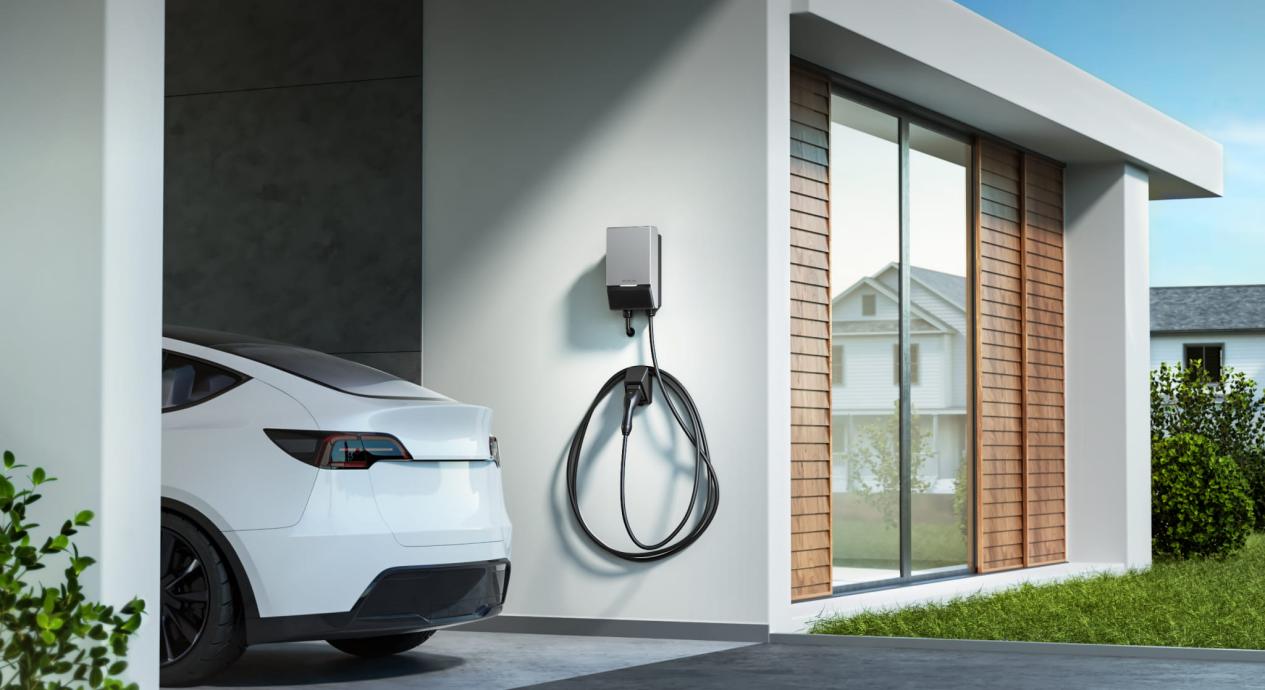
Home backup systems and EV chargers can work together. They offer many advantages. Energy efficiency is one of the key benefits. They save electricity and reduce bills. This setup also provides continuous power during outages. Families can keep their lights on and devices charged. It gives peace of mind.
Another benefit is flexibility in energy use. People can choose when to charge their EVs. It helps to use power wisely. The system can also support renewable energy. Solar panels can be part of the setup. This reduces the carbon footprint and helps the planet.
Finally, combined systems increase home value. Buyers prefer homes with smart energy solutions. It makes the home more attractive. Combining backup systems with EV chargers is a smart choice.
Challenges And Solutions
Connecting home backup systems with EV chargers can be tricky. Power needs are different. Backup systems often have limited capacity. EV chargers demand high power. This can cause overload issues. The solution involves smart energy management.
Smart systemscan balance power usage. They prioritize essential devices first. EV charging comes next. This keeps power flow smooth. Another challenge is battery compatibility. Backup systems may use different batteries than EV chargers. Ensuring compatibility is crucial.
Some systems use softwareto coordinate operations. This software monitors energy levels. It adjusts usage automatically. Installing a smart panel can help. It regulates power distribution effectively. These solutions make integration easier.
Future Trends In Home Energy Solutions
Home energy solutions are getting smarter every day. Many homes now use solar panels. These panels help save energy. Battery systems store extra energy for later. This means less reliance on the grid. Electric vehicles, or EVs, are also becoming popular. Many people want to charge their EVs at home.
New systems are being designed for this need. These systems can connect backup batteries to EV chargers. This helps during power outages. Some systems even use smart technology. They can decide the best time to charge. This saves money and energy. Homeowners now have more choices. They can choose systems that fit their needs. This is a big step for home energy solutions.
/saur-energy/media/post_attachments/2022/12/home-battery-storage-beyond-ev-charging-systems-1.jpg)
Credit: www.saurenergy.com
Frequently Asked Questions
Can You Use An Ev As A Backup Generator?
Yes, you can use an EV as a backup generator. Some electric vehicles support bidirectional charging. This feature allows them to supply power to your home. Always check your vehicle’s compatibility and consult professionals for installation. Using an EV as a backup can be a sustainable power solution.
How Big Of A Generator Is Needed To Charge An Ev?
To charge an EV, you need a generator with at least 7,200 watts for Level 2 charging. Ensure the generator supports the EV’s voltage and amperage requirements. This allows efficient and effective charging without overloading the generator. Always consult the EV’s manual for precise specifications.
Can My Home Handle Ev Charging?
Check your home’s electrical capacity and wiring for EV charger compatibility. Many homes support Level 1 charging. Upgrade may be needed for Level 2 charging. Consult a certified electrician to ensure safe installation and prevent overload. Regular maintenance can enhance charging efficiency and safety.
Can I Use A Generator To Charge My Ev?
Yes, you can charge your EV using a generator. Ensure the generator meets the EV’s charging specifications. Always use a compatible adapter and follow safety guidelines to prevent damage. Charging times may vary based on generator capacity. Consult your vehicle’s manual for specific requirements.
Conclusion
Home backup systems can work well with EV chargers. They provide a steady power supply. This ensures your electric vehicle charges efficiently. Compatibility between systems is key. It’s important to check the specifications. A professional installer can help with setup.
This ensures safety and efficiency. Backup systems offer peace of mind. Especially during power outages. They keep your EV ready to go. Investing in both systems is wise. It supports a sustainable lifestyle. Plus, it enhances energy independence. So, explore options that fit your needs.
Your future self will thank you.