When the mercury drops and the world outside turns into a frozen landscape, your home becomes your sanctuary. But what happens when the power goes out?
You might wonder if your home backup system can withstand the biting cold. In extreme weather conditions, keeping your family safe and warm is a top priority. You might ask yourself, “Will my backup system perform when I need it the most?
” Imagine the peace of mind that comes with knowing your backup system is reliable, even when temperatures plummet. You deserve to feel secure and confident in your home’s resilience against the harshest elements. This article will unravel the truth about home backup systems in extreme cold, offering insights that could make all the difference during winter’s fiercest storms. Stay with us to discover how you can ensure continuous comfort and safety, no matter how cold it gets outside.
Credit: www.ecoflow.com
Importance Of Home Backup Systems
Home backup systems are crucial for ensuring power during harsh winters. These systems work effectively even in extreme cold. Reliable energy sources help maintain warmth and safety, preventing disruptions in daily life.
Protecting Against Power Outages
Backup systems are vital in cold climates. They keep homes powered during outages. Without them, homes get cold fast. This can be dangerous for families. Backup systems provide warmth and safety. They keep heaters and lights running. Power outages can last for hours or days. Backup systems ensure you stay comfortable. They help protect food in refrigerators. Electricity is important for daily life. Backup systems make sure you have it.
Ensuring Safety And Comfort
Home backup systems maintain comfort in cold weather. They keep essential devices working. Heating systems are crucial in winter. Backup systems ensure they don’t stop. Families need warmth to stay healthy. Backup systems help prevent cold-related problems. They support safety by keeping lights on. Comfort is important during power outages. Backup systems guarantee you feel safe and warm.
Challenges Of Extreme Cold
Extreme cold presents challenges for home backup systems. Batteries may lose efficiency, and generators can struggle to start. Proper maintenance and cold-weather kits help ensure reliable operation.
Impact On Electrical Systems
Extreme cold can freeze electrical wires. Frozen wires may become brittle. Power lines might snap under pressure. Cold weather can drain battery power faster. Generators might struggle to start. Ice can form on solar panels. This reduces their ability to generate power.
Weather-related Risks
Snow and ice can block ventilation systems. Blocked vents can cause overheating. Heavy snow can damage roofs. Falling trees may break power lines. Frozen pipes can burst. This causes water damage. Wind chill can worsen equipment performance. Cold impacts fuel efficiency in backup systems.
Types Of Backup Systems
Understanding how home backup systems perform in extreme cold is crucial. Certain systems, like lithium-ion batteries, can struggle in low temperatures. Investing in cold-resistant options ensures reliable power supply during harsh winters.
Generators
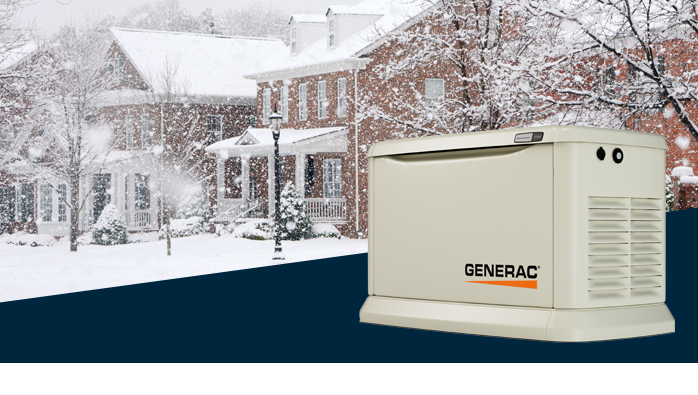
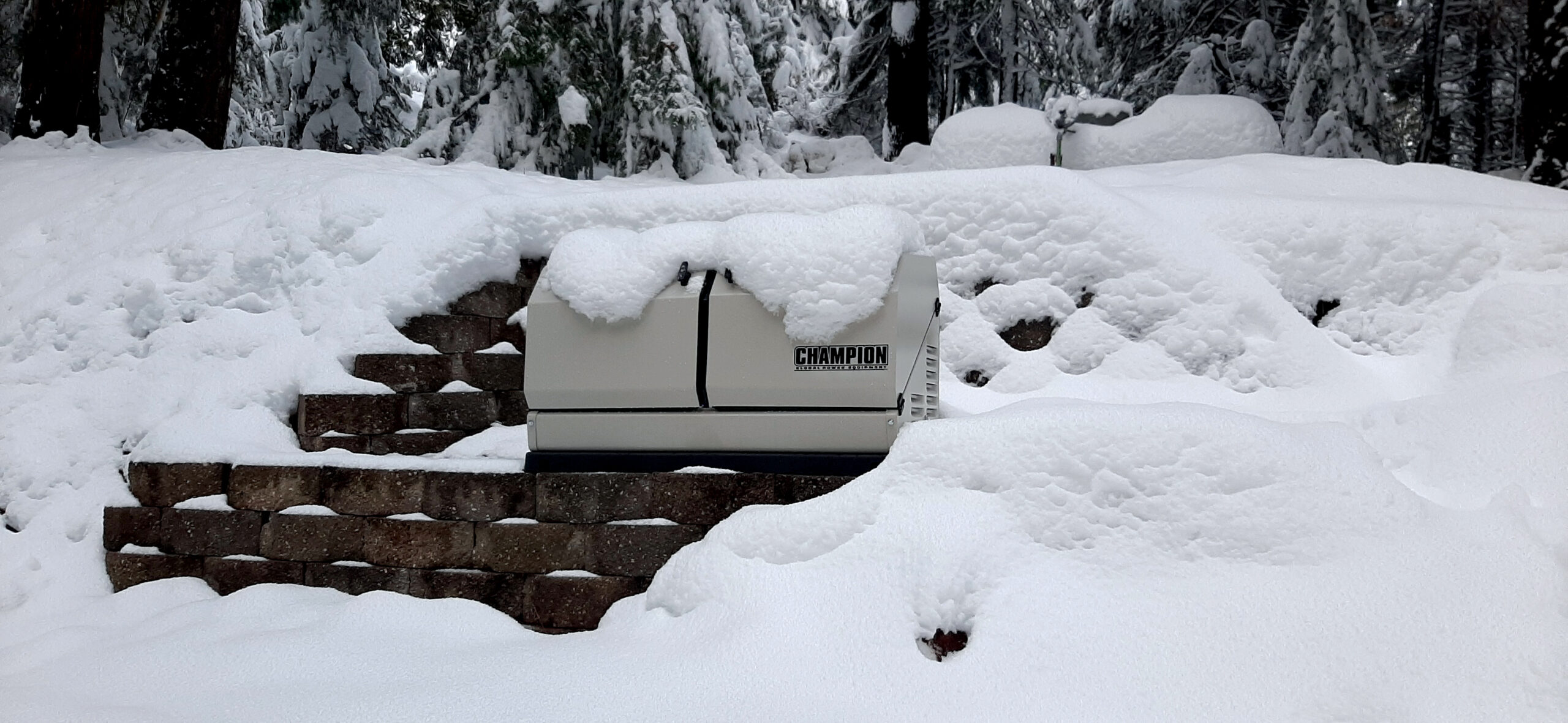
Generators are popular for home backup systems. They use fuel like gas or propane. Generators start automatically during power outages. They provide power to essential home appliances. Extreme cold can affect generator performance. Fuel might freeze or thicken in very low temperatures. It is important to maintain generators regularly. This ensures they work properly in cold weather.
Battery Storage Solutions
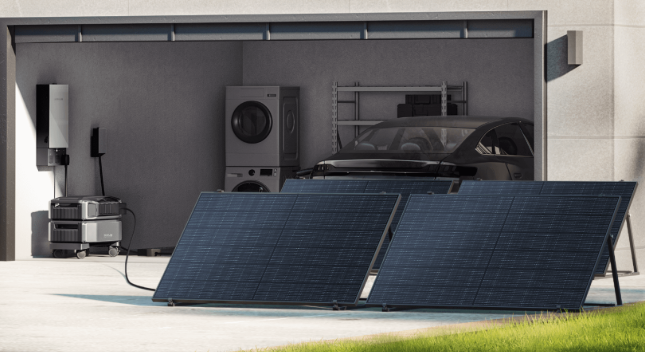
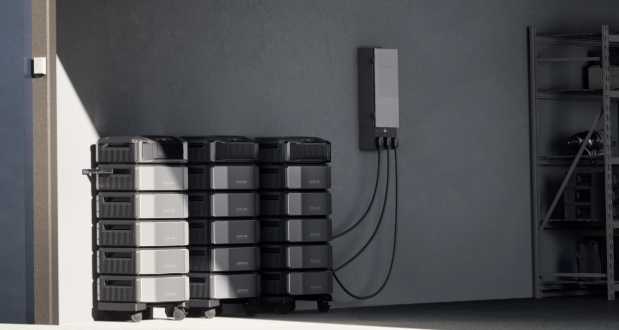
Battery storage solutions store electricity for later use. They are quiet and require less maintenance. Lithium-ion batteries are common in home systems. These batteries perform well in extreme cold. However, battery capacity can decrease in very low temperatures. Keeping batteries indoors helps maintain their efficiency. Solar panels can charge batteries during sunny days. This provides a clean energy source even in winter.
Performance In Low Temperatures
Home backup systemscan work in cold weather. Some systems lose efficiencyin freezing conditions. Batteries might drain faster. Cold can affect engine performance. Proper installation is key. Insulation helps maintain warmth. Regular maintenance checks are vital.
- Battery drain: Use thermal coversto keep batteries warm.
- Engine trouble: Start engines periodically in cold.
- Fuel freezing: Add antifreezeto fuel tanks.
- Hardware damage: Use weather-resistant materials.
These steps enhance system reliability. Prepare ahead for cold spells. Preventive measurescan save hassle.
Installation And Maintenance Tips
Home backup systems need special care in cold weather. Make sure all parts are insulated. Use weatherproof covers for outdoor components. Check battery health regularly. Cold can reduce battery life. Ensure fuel supplies are adequate. Keep fuel tanks full to prevent condensation. Condensation can cause issues in extreme cold.
Regular checks help keep systems running smoothly. Inspect cables and connections for damage. Damage can cause system failure. Look for signs of wear and tear. Replace worn parts promptly. Test the system monthly. Monthly tests ensure everything is working. Keep a log of maintenance activities. Logs help track system health over time.
Credit: www.generac.com
Choosing The Right System
Consider your specific power needs. Identify essential appliances like heaters or freezers. Think about how long you need backup power. Will it be for hours or days? Cold weather demands reliable power. Examine your home’s insulation. Better insulation means less power use. Assess your budget for a backup system. Choose a system that fits your budget.
- Battery systems are often quiet and compact.
- Generators can run on fuel or solar power.
- Solar panels work best with sunlight but can store energy.
- Hybrid systems combine battery and generator power.
- Consider ease of installation and maintenance.
- Check if the system is durable in cold weather.
Real-life Case Studies
Real-life case studies reveal the effectiveness of home backup systems in extreme cold conditions. Systems maintain power and warmth during harsh winter storms, ensuring safety and comfort.
Success Stories
Families in Alaska use home backup systems during winter. Generators keep their homes warm. Solar panels also work well in the cold. They provide enough power when the sun shines. One family saved food from spoiling. Their freezer stayed on during a storm. These systems help many people stay safe.
Lessons Learned
Backup systems must be checked often. Regular maintenance is important. Batteries should be charged fully. Solar panels need clean surfaces to work best. Snow can cover them quickly. People learned to check panels often. Always keep extra fuel for generators. This helps when power is out for long. Planning ahead makes a big difference. It helps families stay warm and safe.
Credit: www.championpowerequipment.com
Frequently Asked Questions
Do Generac Generators Work In Cold Weather?
Generac generators perform efficiently in cold weather. Ensure proper maintenance and use cold weather kits for optimal functionality. Reliable performance is achieved through regular servicing and using appropriate accessories.
How Cold Is Too Cold For A Generator To Run?
Generators struggle to run below 32°F (0°C). Cold temperatures can cause fuel and oil to thicken, hindering performance. Using a cold-weather kit and storing the generator in a warmer place can help. Regular maintenance ensures better operation in colder conditions.
Do Electronics Work In Extreme Cold?
Electronics can work in extreme cold but may face performance issues. Cold temperatures can affect battery life and LCD displays. Use devices designed for cold environments to ensure functionality. Protect electronics with proper insulation and keep them warm when not in use to prevent damage.
Should You Wrap Your Generator During A Freeze?
Wrap your generator during a freeze to protect it from harsh weather. Use breathable materials to prevent moisture buildup. Ensure ventilation for safety. Regularly check for ice or snow accumulation. Proper covering extends the generator’s lifespan and maintains efficiency.
Conclusion
Home backup systems can work in extreme cold. Reliable performance depends on proper setup. Choose a system designed for harsh conditions. Regular maintenance ensures optimal functionality. Batteries need special care during cold weather. Insulation helps in maintaining battery life. Generators also require cold-weather adaptations.
Consider fuel type and storage for best results. Testing systems before winter can prevent failures. Professional installation may enhance reliability. Be prepared for unexpected outages. Investing in a suitable system brings peace of mind. Protect your home from winter’s chill efficiently.
Stay warm and powered.