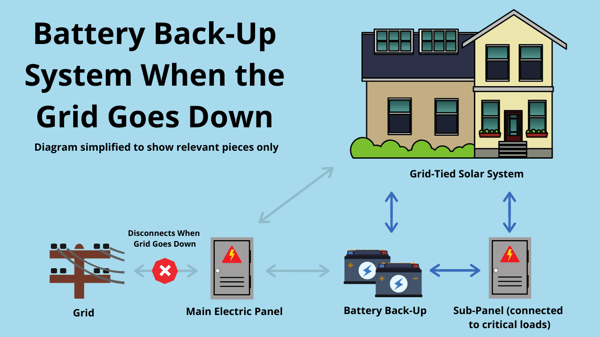
Imagine this: a storm is brewing outside, and suddenly, the power goes out. You feel at ease, knowing your home backup system is there to keep the lights on and your devices running.
But have you ever wondered what happens when that backup system needs maintenance? Can it still protect you and your home during these crucial times? You might be surprised by the answer. We’ll delve into how home backup systems function during maintenance periods.
We’ll explore how you can ensure your peace of mind, even when your system needs a little upkeep. Stay with us to uncover the secrets to uninterrupted power and learn how to maximize the reliability of your backup system.
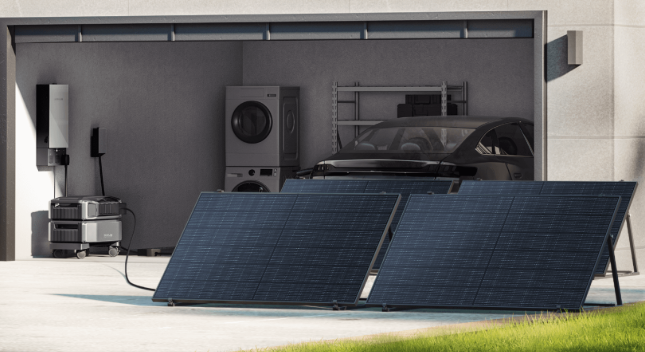
Credit: www.ecoflow.com
Importance Of Home Backup Systems
Home backup systems are crucial for keeping lights on during outages. They offer reliable power when the main grid fails. Families can stay connected and safe. With a backup system, food stays fresh in the fridge. Essential devices continue working. These systems prevent interruptions in daily life. They ensure comfort and security at home. Backup systems are a wise investment for any household.
Reasons For Backup Systems
- Keep the lights on during emergencies.
- Ensure the fridge keeps food fresh.
- Allow essential devices to work.
- Prevent interruptions in daily activities.
- Provide safety and comfort at home.
Impact Of Power Outages
Power outages can cause food to spoil. They disrupt daily routines and cause discomfort. Without power, security systems might fail. Families might feel unsafe. Backup systems help mitigate these issues. They provide a reliable source of power. Homes stay safe and comfortable. A backup system helps protect families during a power loss.
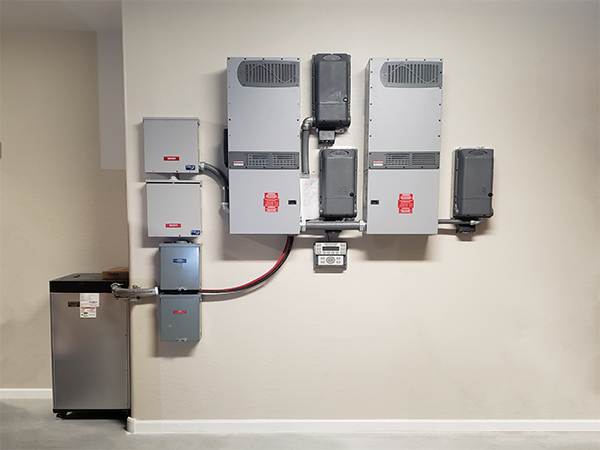
Credit: southfacesolar.com
Maintenance Of Backup Systems
Home backup systems usually remain operational during maintenance periods. They are designed to ensure continuous power supply, even when primary systems are under maintenance. Regular checks help in identifying potential issues early, keeping the backup systems ready for emergencies.
Regular Maintenance Tasks
Backup systemsneed care to work well. Clean dust from the equipment. Check all wires and connections. Replace old batteries when needed. Test the system regularly. Look for any errors or warning signals. Update software to the latest version. Keep a maintenance logfor easy tracking.
Scheduled Maintenance
Set a schedulefor checking your backup system. Plan monthly checks to ensure everything is fine. Hire a professional for yearly maintenance. Check the power sourceand backup generator. Ensure the backup runs smoothly during tests. Verify data is safe and accessible. Always have a backup planready for emergencies.
Operation During Maintenance
Home backup systems often ensure uninterrupted power during maintenance. They automatically switch to reserve power sources. This keeps essential appliances running, providing peace of mind during outages.
System Functionality
Home backup systems can still work during maintenance. Essential components keep the system running. Backup systems have redundant features to ensure continued operation. Some parts may pause, but the core functions remain. This ensures your home stays powered. Not all systems are the same, though. Check your system’s manual for specific details. Knowing how it operates helps in emergencies.
Safety Measures
Safety is crucial during system maintenance. Automatic safety features prevent accidents. These features include overload protection and circuit breakers. They help avoid damage and ensure safe operation. Always follow the manufacturer’s guidelines. This ensures the system functions safely. Never attempt repairs without expert help. It can be dangerous and void warranties. Safety comes first for a worry-free experience.
Challenges Faced
Home backup systems can face technical issuesduring maintenance. Sometimes they don’t start properly. This can be due to software glitches. Other times, hardware malfunctionscan cause problems. Technicians might need to check all parts. Backup systems can also face power issues. This happens if the power source is unstable.
Many issues arise from user errors. Users might not follow instructionscorrectly. This can lead to wrong settings. Misunderstanding the system’s features is common. Users sometimes forget to update the system. This can cause the system not to work as expected. Always check the user manualfor guidance.
Ensuring Continuous Operation
Home backup systems are essential for power outages. These systems ensure your home keeps running smoothly. They use a secondary power source. This source can be a generator or battery. When the main power fails, the backup kicks in. It provides necessary electricity until the main power returns. Some systems switch automatically. This ensures no interruption at all. Others need a manual start. Proper maintenance is crucial for these systems. Regular checks can prevent unexpected failures.
Modern backup systems use advanced technologies. These technologies include solar panels and smart inverters. Solar panels store energy from the sun. This energy is then used during power cuts. Smart inverters manage energy use efficiently. They help in reducing power wastage. Some systems are now smart-home compatible. This means you can control them using your phone. Such technologies make backup systems more reliable and user-friendly.
Expert Recommendations
Expert recommendations suggest that home backup systems can still function during maintenance. These systems often have built-in features to ensure continuous power supply.
Best Practices
Check the backup system regularly. Ensure all parts are working fine. Schedule maintenance at least once a month. Clean dust and debris from the system. Follow the manufacturer’s guidelines for care. Keep backup batteries charged for emergencies. Test the system after every maintenance. This helps prevent future problems. Use quality materials for any repairs.
Professional Guidance
Consult experts for complex issues. They know how to fix problems quickly. Hire certified professionals for big repairs. Ask them about the best maintenance tips. Professionals can identify hidden issues. They often provide valuable advice on system upgrades. Listen to their suggestions for better performance. Always keep their contact for emergencies.
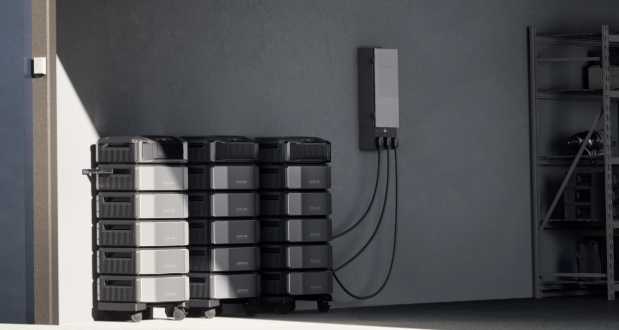
Credit: www.ecoflow.com
Frequently Asked Questions
How Often Should System Backups Be Performed In A Maintenance Plan?
Perform system backups daily to ensure data safety. Regular weekly backups add an extra layer of protection. Schedule monthly backups for comprehensive data retention. Always test backups for reliability and integrity. Adjust frequency based on data sensitivity and organizational needs.
What Maintenance Does A Home Generator Need?
Home generators need regular oil changes, air filter replacements, and battery checks. Inspect fuel lines for leaks. Schedule professional servicing yearly for thorough maintenance. Keep generator clean and free of debris. Follow manufacturer’s guidelines for specific maintenance schedules and procedures to ensure reliable operation.
What Maintenance Is Required On A Generac Generator?
Regular maintenance includes checking oil levels, inspecting spark plugs, and cleaning air filters. Change oil every 100 hours of use. Test the battery monthly and replace it as needed. Schedule annual professional inspections to ensure optimal performance. Keep the generator clean and free from debris for efficient operation.
What Is The Useful Life Of A Backup Generator?
A backup generator typically lasts 10 to 30 years. Lifespan depends on usage, maintenance, and environmental factors. Regular servicing extends longevity. Quality models endure longer, ensuring reliable power supply. Always consult manufacturer guidelines for specific details.
Conclusion
Home backup systems often work during maintenance. They help keep power flowing. Regular checks ensure everything functions smoothly. This means fewer surprises and more reliability. Investing in a good system brings peace of mind. It’s a step towards a safer home environment.
Always consult experts for best practices. They guide you on setup and maintenance. Remember, a little effort now saves trouble later. Prepare well and stay powered. Your home deserves it.