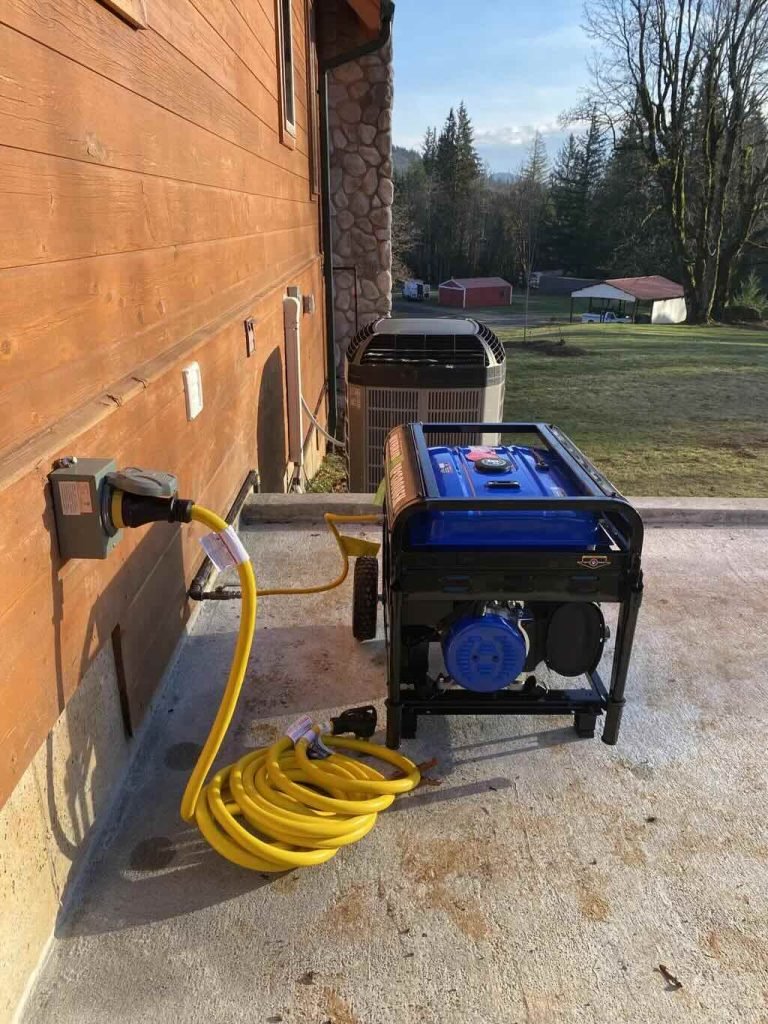
Have you ever found yourself in the dark, scrambling for flashlights during a power outage, wishing you had a backup generator? You’re not alone.
Power outages can strike unexpectedly, leaving you without electricity for hours or even days. The thought of installing a home backup generator might have crossed your mind, but you’re probably wondering if it’s a task you can handle on your own.
Imagine the peace of mind you’ll have, knowing your lights, appliances, and essential devices can keep running smoothly, no matter what. But is this a DIY project, or should you call in the pros? We’ll explore the ins and outs of installing a home backup generator yourself, weighing the pros and cons. Stick around to discover whether taking this task into your own hands is the right choice for you.
Choosing The Right Generator
Installing a home backup generator may seem simple, but professional help ensures safety and efficiency. Electrical connections and fuel lines need expert handling. Improper installation can lead to costly repairs or hazards.
Size And Power Requirements
Consider the size of your home and power needs. A small house might need less power. Large homes need more electricity. Calculate the wattage required. Look at appliances and lights. Write down the wattage of each. Add them up. This helps in choosing the right generator size.
Fuel Type Considerations
Generators use different fuel types. Common options are gasoline, diesel, and propane. Gasoline is easy to find but can be costly. Diesel is more efficient but louder. Propane is clean and quiet. Think about availability and cost. Choose a fuel that fits your needs.
Brand And Model Selection
Choose a reliable brand for your generator. Look for known brands with good reviews. Check the model specifications. Compare features and warranty. Read customer feedback. It helps to know if others are happy with the product.

Credit: www.facebook.com
Safety Precautions
Installing a home backup generator requires strict safety precautions. Handling electrical components can pose serious risks. It’s often recommended to consult a professional for safe installation.
Electrical Safety Guidelines
Electricity can be dangerous. Always wear rubber gloves when handling wires. Ensure the generator is turned off before touching any parts. Use tools with insulated handles. Never connect the generator to your home’s wiring by yourself. This job needs a professional. Follow all local regulations for installation.
Proper Ventilation Importance
Generators need air to function safely. Put the generator outdoors. Never use it in your garage or basement. Fresh air keeps the engine cool. It prevents overheating. It also reduces fire risks. Check the area for airflow. Clear away any obstacles blocking ventilation.
Avoiding Carbon Monoxide Risks
Carbon monoxide is a silent killer. Generators produce this gas. Always place the generator far from open windows. Keep it away from doors. Install CO detectors in your home. These detectors alert you to danger. Check batteries regularly. Stay safe from harmful fumes.
Installation Process
Installing a home backup generator yourself can be challenging. It requires electrical knowledge and adherence to safety codes. Hiring a professional ensures proper installation and functionality.
Site Preparation Steps
Choose a safe spot for the generator. It should be away from windows. Clear away any plants or debris around the area. Make sure the ground is level and firm. Lay down a concrete pad or gravel base. This keeps the generator stable. Check local codes for distance from the home. Ensure the area is well-ventilated to avoid fumes. Set up a shelter if the generator is exposed. This protects it from rain and snow.
Connecting To Electrical System
Turn off the main power before connecting. Use a transfer switch for safety. This avoids back-feeding electricity. Connect the generator to the switch. Follow the wiring diagram carefully. Ensure all connections are tight and secure. Double-check the connections to avoid mistakes. You might need an electrician for help. Make sure the generator is grounded properly. A proper ground prevents electrical hazards.
Testing And Calibration Procedures
Start the generator and let it run. Check for any unusual sounds or vibrations. Test the power output with a multimeter. Ensure it matches the required levels. Adjust the voltage settings if needed. Follow the manufacturer’s manual for guidance. Run the generator with a load to test. Make sure it powers the appliances smoothly. Keep an eye on fuel levels during testing. Note any issues for future maintenance.
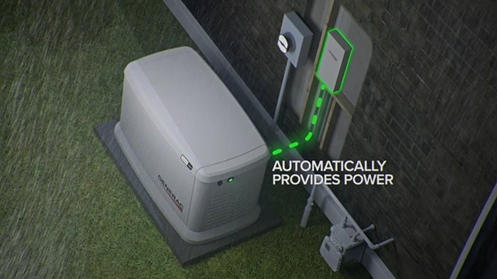
Credit: www.generac.com
Legal And Regulatory Aspects
Installing a home backup generator needs careful planning. Building codes are rules that keep homes safe. Permits are permissions you need before starting. These rules can be different in each area. Always check with your local building department. They will guide you on what is needed. Not following these can lead to fines or other problems.
Zoning laws decide where things can be built. They help keep neighborhoods organized. Generators can make noise, so placement is important. Check local zoning rules before installation. They will tell you where you can place the generator. This helps keep peace in the neighborhood.
Insurance helps protect your home from damage. Home insurance may change if you install a generator. Some insurance companies need to know about new installations. Tell them about the generator to stay protected. This can also help if there is damage during installation. Always keep your insurance updated.
Maintenance And Upkeep
Installing a home backup generator requires technical skills and knowledge. Safety and compliance with local codes are essential considerations. Professional installation ensures reliability and proper functioning, reducing risks associated with DIY attempts.
Routine Checks And Servicing
Regular checks keep your generator in good shape. Inspect fuel levels weekly. Look for leaks and odd smells. Clean dust and debris often. Oil changes are vital. Do them every six months. Check battery health monthly. Ensure connections are tight. A well-serviced generator lasts longer.
Troubleshooting Common Issues
Sometimes generators won’t start. Check the fuel first. Make sure there’s enough. Listen for strange noises. They can signal problems. Check the oil level and quality. A dirty filter can cause issues. Replace it if needed. If power output is low, look at the connections. Ensure they are secure and clean.
Long-term Care Strategies
Store your generator in a dry place. Moisture can cause rust. Use a cover for protection. Run the generator monthly. This keeps parts moving. Fuel stabilizers help preserve fuel quality. Plan a full service yearly. Professionals can spot hidden problems.
Pros And Cons Of Diy Installation
Doing it yourself can save money on labor costs. You buy the materials and avoid paying a professional. This might be a good choice for budget-minded people. Saving cash feels great. But there are hidden costs too. Mistakes can be expensive.
Installing a generator yourself is hard. You need to know electricity and safety rules. Accidents can happen if you are not careful. Electric shocks and fires are real dangers. It is not easy. You must be very careful.
Professionals know what to do. They have experience and skills. They ensure the job is safe and correct. Their work is often guaranteed. You can trust their knowledge. They save time and worry.
Expert Advice And Resources
Talking to experts can help you decide on installing a generator. They know the rules and can show you how to do it safely. Experts may charge fees, but their advice is valuable. Safety is very important when dealing with electricity. Always ask questions if unsure.
Books and videos explain how generators work. Some guides show steps for installation. Libraries often have good resources. Make sure guides are up-to-date. Newer materials have better safety tips. Always follow instructions carefully. Mistakes can be dangerous and costly.
Online groups offer help and advice. People share their experiences with generators. You can ask questions and get quick answers. Join forums for more tips and tricks. Many users have faced similar problems. Sharing knowledge makes tasks easier. Always verify information before use.
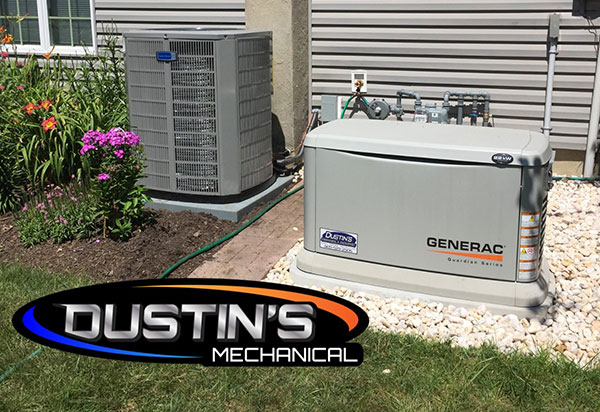
Credit: dustinsmechanical.com
Frequently Asked Questions
Can I Install My Own Backup Generator?
Yes, you can install a backup generator. Ensure compliance with local regulations and safety standards. Hire a professional electrician for installation to ensure proper functionality and safety. Check permits and inspections requirements for your area. Proper installation enhances reliability during power outages.
Can I Buy A Generac Generator And Install It Myself?
Yes, you can buy a Generac generator. Installing it yourself is possible but not recommended. Professional installation ensures safety and compliance with local codes. It also protects your warranty. Always consult a licensed electrician for installation to avoid potential hazards and ensure optimal performance.
Do I Need A Permit To Install A Generator At My House?
Check local regulations for generator installation permits. Requirements vary by location and generator type. Contact your local building authority for guidance. Proper permits ensure safety and compliance with local codes. Ensure a licensed professional handles installation to avoid potential issues.
What Is The 20/20/20 Rule For Generators?
The 20/20/20 rule for generators suggests running the generator at 20% load for 20 minutes every 20 days. This practice helps maintain the generator’s functionality, prevents fuel degradation, and ensures reliable performance. Regular maintenance following this rule can extend the life of your generator effectively.
Conclusion
Deciding to install a home backup generator is a big step. Safety is crucial. Consider your skills and the complexity involved. Professional installation ensures reliability and peace of mind. Mistakes can lead to costly repairs or safety hazards. Hiring an expert might save you trouble in the long run.
Always weigh the pros and cons carefully. Remember, a generator is an investment in your home. Take time to choose what’s best for your situation. Your comfort and safety come first.