
Imagine a stormy night when the power goes out, or picture yourself parked at a remote campsite with your RV, surrounded by nature but far from electricity. In these moments, having a reliable generator is crucial.
But wouldn’t it be amazing if one generator could serve both your home backup needs and your RV adventures? You’re not alone in wondering about this dual-purpose solution. This question sparks curiosity and a bit of excitement, doesn’t it? As you read on, you’ll discover the possibilities, the practicality, and the potential peace of mind that come with using one generator for both home and RV.
Stick around to find out how you can maximize efficiency and convenience in your power solutions. Your next adventure or power outage could be much simpler than you think.

Credit: www.jackery.com
Generator Basics
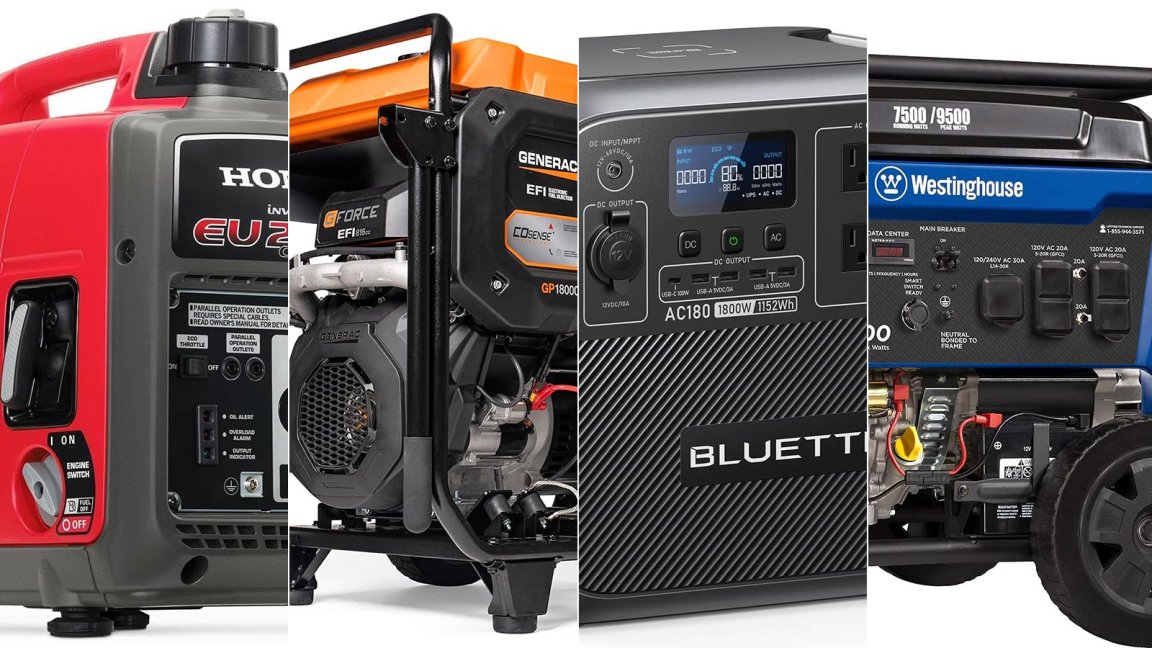
Generators come in many types. Portable generators are small and easy to move. They are great for camping and RV trips. Standby generators are large and stay in one place. They turn on when power goes out. Inverter generators are quiet and safe for electronics. Each type has its own benefits and uses.
Different generators produce different power levels. Portable generators often provide lower power. They are good for small appliances and lights. Standby generators offer higher power. They can run a whole house. Check your power needs before choosing. Make sure the generator can handle the load. Too much load can damage the generator.
Credit: www.popsci.com
Home Backup Requirements
Using a generator for both home backup and RV is possible, but consider the power needs of each. Ensure the generator’s capacity meets the combined demand of home appliances and RV systems to avoid overloading. Properly managing power distribution ensures efficiency and safety.
Essential Appliances
Generators are important for home backup. They help during power outages. Refrigerators keep food fresh. Lights are necessary for safety. Heaters keep the house warm in winter. Fans help during hot days. Chargers are used for phones and tablets. Television provides news and entertainment. These are the basic appliances needed.
Safety Measures
Safety is very important with generators. Keep generators outside to avoid fumes. Use sturdy cables for connections. Do not overload the generator. Check fuel levels regularly. Keep children away from the generator. Wear protective gear when handling it. Read the manual for instructions. Turn off appliances before starting the generator. These steps keep everyone safe.
Rv Power Needs
Using a generator for both home backup and RV is possible. Ensure the generator meets power needs for both. Check compatibility and power output to avoid issues.
Rv Electrical Systems
RV electrical systems have different parts. They use both AC and DC power. DC power comes from the battery. It runs lights and some small gadgets. AC power comes from plugging in or a generator. It runs bigger things like air conditioners. Generators help when there’s no plug. Make sure the generator fits your RV’s power needs. It should not be too small or too big. Check the wattage of your RV gadgets. This helps pick the right generator.
Camping Essentials
Camping needs many things. Power is one of them. A generator makes camping easier. It powers lights, fridges, and more. Choose a quiet generator. It should not disturb others. Make sure it’s safe for use. Some generators have safety features. They prevent overloads and problems. Always check the fuel level. Bring extra fuel for long trips. A good generator makes camping fun and easy.

Credit: lanpwr.com
Dual Use Considerations
Choosing a generator that suits both home backup and RV use requires careful consideration. Evaluate power needs, portability, and compatibility to ensure efficiency. Prioritize safety features to protect both your home and vehicle during power outages.
Portability And Size
A generator must be easy to carryfor RV trips. It should also fit comfortably in your home storagespace. Lightweight models are ideal for dual use. Larger generators may provide more power but are harder to transport. Consider the size before purchase.
Fuel Type Compatibility
Generators can use different fuel types. Check if your RV and home use the same fuel. Some generators use gasoline, others use propane or diesel. Pick a generator compatible with both spaces. Fuel choice affects convenience and cost.
Installation And Setup
Connecting a generator to your home or RV can be simple. There are two main ways to connect. The first is using a transfer switch. This device helps switch power from the generator to your home. It keeps you safe from electric shocks. The second method involves using a power inlet box. This box connects your generator directly to your home. Always check the power requirements first. You want to make sure everything fits and works well.
Hiring a professional can make the setup easier. Experts know how to connect safely. They also ensure the generator works well. Professionals can help with both home and RV setups. They understand the different power needsfor each. Getting the right help can save you time and trouble. It also keeps everything running smoothly.
Maintenance Tips
Using a generator for both home backup and RV requires careful maintenance. Ensure compatibility with power needs and monitor its load capacity. Regularly check oil levels, air filters, and fuel quality for optimal performance.
Routine Checks
Regular checks keep your generator healthy. Always check the oil level. Low oil can harm the engine. Look for any leaksor damage. Listen for strange noises. They might mean a problem. Clean the air filter often. A dirty filter blocks air. This can cause trouble. Make sure the batteryis charged. A weak battery won’t start the generator. Check all the connections. Loose wires can cause issues.
Long-term Storage
Storing your generator needs care. Clean it before storing. This prevents rust and dirt build-up. Drain the fuel tank. Old fuel can damage the engine. Use a fuel stabilizer if you can’t drain it. Store in a dry, safe place. Moisture can cause rust. Cover the generator with a cloth. This keeps dust away. Remove the battery if possible. Store it separately to keep it charged.
Cost Implications
Using a generator for both home backup and RV presents cost implications. Maintenance and fuel expenses can increase significantly. Consider the power needs of each use to avoid unexpected costs.
Initial Investment
Buying a generator for home and RV can be expensive. Quality generators cost more but last longer. Consider size and power needs before buying. Bigger generators may cost more but power more things. Portable generators are great for RV use but may be less powerful. Research and compare prices to find the best option.
Operational Expenses
Generators need fuel to run. Fuel costs vary by type and usage. Gas and propane are popular choices. Maintenance costs are also important. Regular check-ups keep the generator running smoothly. Oil changes and part replacements add to expenses. Plan a budget for these costs to avoid surprises.
Environmental Impact
Using a generator for both home backup and RV can have environmental impacts. Generators emit pollutants and noise, affecting air quality and wildlife. Reducing usage and opting for cleaner energy sources can help lessen these effects.
Emissions Considerations
Generators can release harmful gases like carbon monoxide. These gases can harm the air. Using a generator for home and RV might increase emissions. It’s important to choose low-emission generators. They help reduce pollution. Always keep the generator outside. This prevents dangerous gas buildup indoors. Read the manual to know emission levels.
Eco-friendly Options
Some generators are better for the planet. Look for solar-poweredgenerators. They use the sun’s energy. This means no harmful gases. Wind-powered options are also available. These use the wind to make power. Both choices are quietand safe. They don’t harm the environment. It’s a good idea to think about these options. They keep the air clean and fresh.
Frequently Asked Questions
Can An Rv Generator Be Used For A House?
Yes, an RV generator can power a house during outages. Ensure it’s compatible with your home’s power needs. Safety measures and proper installation are crucial to avoid hazards. Consult a professional to ensure safe and efficient use of the generator at home.
Can I Use Two Generators At The Same Time?
Yes, you can use two generators simultaneously. Ensure they’re properly synced and have compatible outputs. Use a parallel kit for safety and efficiency. Always consult the generators’ manuals and follow safety guidelines.
Can You Sleep In Rv With The Generator Running?
Yes, you can sleep in an RV with the generator running. Ensure proper ventilation to prevent carbon monoxide buildup. Use a carbon monoxide detector for safety. Running the generator provides power for appliances and climate control. Regular maintenance is crucial to ensure the generator runs safely and efficiently.
What’s The Difference Between An Rv Generator And A Regular Generator?
RV generators are designed for mobile use, offering quieter operation and compact size. Regular generators are typically bulkier, louder, and suited for stationary applications. RV generators often have built-in inverters for sensitive electronics, while regular ones may not. Both provide power but serve different needs and environments.
Conclusion
Choosing the right generator brings convenience and peace of mind. It serves both home backup and RV needs effectively. Versatile options exist, catering to different power requirements. Look for models that offer dual functionality. Consider size, fuel type, and wattage.
Maintenance is crucial for longevity. Regular checks and timely repairs ensure reliability. Portable generators are ideal for RVs due to their mobility. Fixed units suit home backup due to their power capacity. Evaluate your needs carefully before purchasing. With the right choice, you can enjoy seamless power solutions for both settings.
Stay prepared and enjoy your adventures worry-free.