Imagine a storm hits, and suddenly your power goes out. You’re left in the dark, wondering when life will return to normal.
A standby generator could be your hero, keeping your lights on and your fridge running. But here’s the burning question: can you install a standby generator yourself? It’s tempting to think you can save money and tackle the job on your own.
Yet, the process involves more than just plugging in a device. It’s a dance of wires, safety protocols, and technical know-how. Before you dive in, it’s crucial to understand what’s involved. Are you ready to explore the ins and outs of generator installation and discover if it’s a DIY project or a task best left to the pros? Read on to make sure you’re equipped with all the knowledge you need to make an informed decision.
Assessing Your Skills
Assessing your skills is crucial before attempting to install a standby generator. Ensure you understand electrical systems and local regulations. Safety and proper installation are key for efficient operation.
Understanding Electrical Systems
Knowing electrical systems is key. Generators connect to home circuits. You must understand how circuits work. Safety is crucial. Mistakes can cause shocks or fires. It’s important to be cautious.
Study manuals and guides. They help you learn. You need to know about wires and connections. Testing equipment is necessary. This ensures everything works right. Understanding these parts keeps you safe.
Familiarity With Tools And Equipment
Tools are essential for installation. Knowing how to use them is important. Drills, wrenches, and testers are common tools. You should be comfortable with them.
Proper use of equipment is vital. It prevents accidents and damage. Manuals can guide you. Practice using tools safely. It builds confidence. Familiarity makes the process easier and safer.
Credit: www.diychatroom.com
Safety Precautions
Installing a standby generator involves risks like electrical hazards and gas leaks. Professional installation ensures safety and compliance with regulations. Always prioritize safety precautions to prevent accidents and costly mistakes.
Electrical Safety
Electricityis dangerous. Ensure the power is offbefore starting. Use a voltage testerto check. Wear rubber glovesand shoes. Keep wateraway from wires. Do not touch bare wires. Make sure all wires are connected properly. Call an expert for help if unsure.
Handling Heavy Equipment
Generators are heavy. Use a dollyor cart for moving. Lift with your legs, not your back. Have someone help you if needed. Wear steel-toed boots. Keep fingersaway from pinch points. Secure the generator so it doesn’t tip over. Follow all manufacturer instructionsfor safety.
Choosing The Right Generator
Installing a standby generator yourself can be risky without proper knowledge. Professional installation ensures safety and compliance with local regulations. Consider hiring an expert to avoid electrical hazards and ensure seamless operation.
Power Needs Assessment
Understanding your home’s power needs is very important. List all appliances and gadgets you use. Consider fridges, lights, and air conditioners. Check their power ratings. Add these numbers to get a total. This helps in picking the right generator size. A small generator might not power everything. But a big one might be wasteful. Balance is key.
Fuel Type Considerations
Generators use different fuels. Gasoline, diesel, propane, and natural gas are common. Gasoline is easy to find but can be dangerous. Diesel is safer but often noisy. Propane is clean but needs special tanks. Natural gas is reliable but needs a pipeline. Choose the fuel that fits your needs best. Think about availability and safety. Each fuel has its pros and cons.
Site Preparation
Installing a standby generator requires careful site preparation. Ensure a stable, level surface with adequate drainage. Check for proper distance from windows and doors for safety.
Selecting A Location
Choose a spot near your main power panel. It should be dry and flat. Avoid areas near windows or vents. This reduces noise and fumes entering your home. Keep the generator away from flammable materials. A clear path for maintenance is important. Ensure there’s enough space for future repairs. A safe distance from trees and shrubs is wise.
Ensuring Proper Ventilation
Good airflow is crucial for a generator. Place it outdoors for fresh air. Make sure exhaust fumes can escape freely. Avoid placing it in enclosed spaces. Lack of air can cause overheating. This might damage the generator. Ensure vents are clear of debris. Regularly check for any blockages. Clean surroundings help in maintaining airflow.
Installation Process
First, pick a safe spot for your generator. It needs a flat surface. Use concrete or gravel for a strong base. This stops the generator from shaking. Keep it away from windows. This prevents gas from entering your home. Clear the area of plants and debris. This keeps the air vents open. Make sure the site is dry. Wet areas can damage the generator.
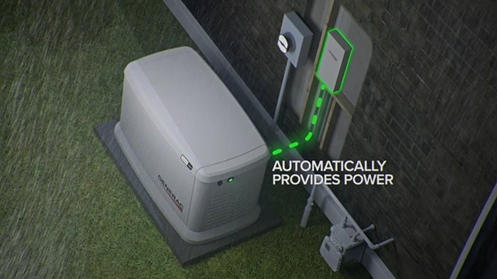
Use a transfer switch to connect the generator. This switch controls power flow. It stops back feeding electricity. Back feeding can harm utility workers. Connect wires carefully. Match colors and types. Always use insulated tools. Insulation keeps you safe from shocks. Tighten connections well. Loose wires can cause sparks. Test the setup before using the generator. This ensures safety and proper function.
Credit: www.generac.com
Testing And Maintenance
Installing a standby generator requires expertise in electrical systems. Testing and maintenance ensure it operates safely during outages. Professional installation guarantees compliance with regulations and reduces risks.
Running Initial Tests
After installing the generator, run initial tests. Check if the generator starts smoothly. Listen for any strange noises. Ensure the power output is stable. Look at the control panel for error messages. Testing helps find issues early.
Regular Maintenance Checks
Keep the generator working well with regular checks. Inspect the fuel system for leaks. Check the oil level and change it when needed. Clean the air filters regularly. Tighten loose bolts and nuts. Regular checks keep the generator safe and efficient.
Legal And Regulatory Considerations
Installing a standby generator yourself requires understanding legal and regulatory requirements. Permits and inspections may be necessary for compliance. Professional installation is often recommended to ensure safety and adherence to local codes.
Permits And Approvals
Installing a standby generator often needs permits. Local authorities may require specific approvals. These ensure safety and compliance. Check with your city or county office. They provide guidelines and necessary forms. This helps avoid legal issues.
Compliance With Local Codes
Local codes often dictate installation requirements. They ensure the generator is safe and effective. It’s important to follow these codes closely. Electrical codes might be involved too. Be sure to read them carefully. Ignoring them can lead to fines or safety risks.
When To Call A Professional
Installing a standby generator involves complex electrical work and safety measures. Calling a professional ensures correct installation and compliance with local codes. It prevents costly mistakes and ensures reliable operation during power outages.
Complex Installations
Some generator setups are very tricky. They need special knowledge. Electrical systems can be hard to understand. Incorrect wiring can cause safety hazards. Professionals know how to handle these. They ensure the setup is safe and correct. Permits might be needed. Experts know about these rules. They avoid legal troubles.
Troubleshooting Issues
Problems can occur with generators. Not all issues are simple. Some need expert eyes. Professionals diagnose problems quickly. They have experience and special tools. Trying to fix it yourself can make it worse. It’s better to call someone who knows what to do. This saves time and ensures the generator works well.

Credit: www.facebook.com
Frequently Asked Questions
Can I Buy A Generac Generator And Install It Myself?
You can buy a Generac generator, but professional installation is recommended. Installing it yourself may void the warranty. Ensure you follow all safety guidelines and local codes if you proceed. Hiring a certified technician ensures optimal performance and safety.
Can You Install A Standby Generator Yourself?
It’s not recommended to install a standby generator yourself. Professional installation ensures safety and compliance with regulations. Mistakes can lead to electrical hazards and void warranties. Hiring a certified electrician guarantees proper installation, efficient operation, and peace of mind.
Do I Need A Permit To Install A Standby Generator?
Yes, you typically need a permit to install a standby generator. Check local regulations and codes. Permits ensure safety and compliance with electrical standards. Always consult with a professional or your local authority before installation.
Do You Have To Be Generac Certified To Install A Generator?
You don’t need to be Generac certified to install a generator. However, certification ensures proper installation and safety. Hiring a certified technician is recommended for optimal performance and warranty protection.
Conclusion
Installing a standby generator requires care and expertise. It’s crucial to assess your skills honestly. Safety must always come first. Hiring a professional may be wise. It ensures proper setup and peace of mind. Mistakes can lead to hazards or costly repairs.
Consider local regulations and permits. They might influence your decision. A generator is a vital investment. Proper installation guarantees reliability and longevity. Weigh your options carefully. This choice impacts your home’s safety and comfort. Make informed decisions for best results.