
Are you worried about protecting your solar generator from unexpected electromagnetic interference? If so, you’re not alone.
Many people are turning to Faraday cages as a defense mechanism. But can you make one yourself? Imagine having the peace of mind that your valuable equipment is shielded from harmful signals. This article will guide you through the possibility of creating a Faraday cage for your solar generator.
By the end, you’ll know exactly what steps to take to safeguard your investment. Let’s dive in and explore how you can achieve this essential protection with ease.
What Is A Faraday Cage?
A Faraday Cage blocks electromagnetic fields, protecting electronic devices from interference. Creating one for a solar generator involves using conductive materials like aluminum foil or mesh to encase the equipment. This setup can help shield the generator from external electrical disturbances.
Understanding the concept of a Faraday Cage can be a game-changer if you’re considering how to protect your solar generator. Named after scientist Michael Faraday, a Faraday Cage is essentially an enclosure used to block electromagnetic fields. Think of it as a protective shield that can safeguard electronics from potential electromagnetic pulses (EMPs) or other forms of electrical interference.Basic Concept
A Faraday Cage works by distributing electromagnetic charges around its exterior, preventing any internal electrical fields. This means that any device placed inside is shielded from external static and non-static electric fields. It’s like putting your phone in airplane mode but for electromagnetic fields. The cage’s effectiveness largely depends on its material and construction, often using conductive materials like copper or aluminum. Simple household items, such as a metal trash can or aluminum foil, can serve as makeshift Faraday Cages if properly sealed.Historical Context
The idea dates back to the 19th century when Michael Faraday discovered that an electrical conductor could shield an interior space from external electric fields. His experiments laid the foundation for modern electromagnetic shielding. In the past, Faraday Cages have been used in various applications, from securing sensitive equipment in laboratories to protecting electronic devices in military operations. Even the iconic metal mesh lining of a microwave oven door is a type of Faraday Cage. Imagine if Faraday had today’s tech at his disposal. What would he think about using his invention to protect our solar generators? Understanding its history helps us appreciate why it’s a viable solution for protecting modern devices. So, when you’re thinking about safeguarding your solar generator, consider the time-tested concept of a Faraday Cage.
Credit: iallpowers.eu
Purpose Of A Faraday Cage
Creating a Faraday cage for a solar generator protects it from electromagnetic interference. This cage is made of conductive materials that block external electric fields, ensuring uninterrupted solar power storage.
Protecting Electronics
A Faraday Cage safeguards electronic devices from external electric fields. It prevents damage by blocking unwanted electromagnetic interference. This protection ensures the longevity of your solar generator. Sensitive components inside remain unaffected, allowing efficient energy conversion.Blocking Electromagnetic Fields
Faraday Cages effectively block electromagnetic fields. They create a conductive enclosure that redistributes electric charges. This process neutralizes any incoming fields, keeping the interior safe. For a solar generator, this means uninterrupted operation even during electromagnetic disturbances.Solar Generators And Their Vulnerabilities
Building a Faraday cage can protect a solar generator from electromagnetic pulses. Use metal materials to shield it effectively. Ensure all openings are sealed to block harmful electromagnetic fields.
Solar generators are a fantastic solution for harnessing clean energy, providing power independence, and reducing your carbon footprint. However, like any technology, they come with their own set of vulnerabilities. Understanding these vulnerabilities can help you protect your solar generator from potential threats.Components At Risk
Solar generators consist of several critical components: solar panels, inverters, batteries, and charge controllers. Each of these components is susceptible to different kinds of damage. For example, solar panels can be easily damaged by physical impact or severe weather conditions. Inverters and charge controllers, being electronic devices, are vulnerable to electromagnetic interference (EMI) and electromagnetic pulses (EMP). Batteries, while robust, can degrade over time or suffer damage from overcharging or deep discharges. Recognizing these vulnerabilities is the first step in safeguarding your solar investment.Potential Threats
The threats to solar generators are varied and can be both natural and man-made. Natural threats include extreme weather events like lightning strikes, which can fry electronic components. Man-made threats often involve EMI and EMP, which can occur due to solar flares or even intentional EMP attacks. One might wonder how real the threat of an EMP is. While it may seem like the stuff of science fiction, history has shown that EMPs can occur naturally and have the potential to disrupt electronic systems. Additionally, cyber threats and physical theft are risks that should not be overlooked. Understanding the potential threats to your solar generator empowers you to take proactive steps to mitigate them. Have you considered what measures you might take to shield your solar setup?Materials For Building A Faraday Cage
Creating a Faraday cage for a solar generator is possible with common materials like aluminum foil and metal mesh. These materials effectively block electromagnetic fields. Ensure full coverage and no gaps for maximum protection.
Building a Faraday cage for your solar generator is a fascinating project that combines science with DIY ingenuity. The cage acts as a shield, protecting your generator from electromagnetic interference. But what materials should you use to construct a Faraday cage that’s both effective and durable? Here’s a breakdown of your options.Metal Options
Choosing the right metal is crucial for your Faraday cage. Metals like copper, aluminum, and steel are popular choices due to their excellent conductivity.- Copper:Known for its superior conductivity, copper is an ideal choice for a Faraday cage. However, it can be pricey, so you might want to weigh the cost against the benefits.
- Aluminum:This is a more affordable option and still provides good conductivity. Aluminum foil can be used creatively for smaller projects, but sheets are better for larger constructions.
- Steel:Offers durability and protection. Galvanized steel sheets are a practical choice if you’re looking for something robust and long-lasting.
Insulating Materials
Insulation is key to ensuring the effectiveness of your Faraday cage. Without proper insulation, your cage might not function as intended.- Plastic:Using plastic as an insulator can prevent contact between the metal and other conductive materials, maintaining the integrity of the cage.
- Rubber:Rubber is another excellent insulator. It’s flexible and can be molded or shaped to fit around your generator, offering comprehensive protection.
- Wood:Wooden frames can help separate layers of metal, keeping them apart while providing structural support.
Step-by-step Construction Guide
Building a Faraday cage for a solar generator requires careful planning and suitable materials. Use metal mesh or conductive fabrics to enclose the generator, ensuring all sides are covered. This protective barrier blocks electromagnetic fields, safeguarding the generator’s functionality during electrical disturbances.
Design Considerations
Before starting, decide on the size of your Faraday cage. Consider the dimensions of your solar generator. Make sure the cage has enough space to fit it comfortably. Choose materials that conduct electricity well. Common choices include copper mesh or aluminum foil. Ensure your chosen material can cover the generator completely. The cage should have no gaps or openings. Even small gaps can let electromagnetic waves through. Plan for easy access to the generator. This will help when you need to use or maintain it.Assembly Instructions
Start by cutting your conductive material to size. It should wrap around your generator entirely. Use tape or clips to hold the material in place. Ensure edges overlap to eliminate gaps. Create a lid or cover that can open and close. This allows easy access to the generator. Ensure the lid fits tightly, with no spaces. Test the cage’s effectiveness with a radio or phone. Place them inside to check signal blockage. Adjust any sections if signals pass through.
Credit: www.youtube.com
Testing Your Faraday Cage
Building a Faraday cage for a solar generator helps protect against electromagnetic interference. Ensure it’s made with conductive materials like aluminum or copper mesh. Test the cage by checking if electronic devices inside lose signal, indicating effective shielding.
Testing your Faraday cage is crucial to ensure it effectively shields your solar generator from electromagnetic interference. Whether you’re preparing for an emergency or just curious about the science, verifying its functionality can offer peace of mind. Before diving into testing, gather a few essential tools like a radio or a cell phone to assist in the process.Effectiveness Assessment
To assess the effectiveness of your Faraday cage, try placing a radio inside it and tuning it to a station. The radio should lose its signal, indicating that the cage is blocking electromagnetic waves. Alternatively, use a cell phone; if it loses connection or fails to receive calls, your cage is likely doing its job. Consider testing with different materials to see which provides better shielding. A cage made of aluminum may perform differently than one made of copper. Do you notice any signals getting through despite using recommended materials? This might hint at an issue worth exploring further.Troubleshooting Common Issues
If your Faraday cage isn’t working as expected, check for gaps or poor connections. Even a small opening can let electromagnetic waves through, reducing effectiveness. Ensure the seams are tightly sealed and the materials are properly grounded. Sometimes the problem lies in the materials used. Double-check that you’re using conductive materials that can effectively block signals. If you find that your cage isn’t performing well despite following all steps, consider reaching out to online forums or communities for advice. Other enthusiasts might have faced similar issues and could offer practical solutions.Maintaining Your Faraday Cage
Creating a Faraday cage for a solar generator involves simple steps. Use conductive materials like aluminum foil or metal mesh. Ensure complete enclosure to block electromagnetic interference, safeguarding your device effectively.
Regular Checks
Conduct regular inspections of your Faraday cage. Look for any signs of wear or damage. Check the seams and corners for gaps or holes. Ensure the cage remains tightly sealed to prevent electromagnetic waves from penetrating. A quick visual inspection can make a big difference.Upkeep Tips
Proper upkeep extends the life of your Faraday cage. Keep the cage clean and free from debris. Dust can accumulate and affect its performance. Use a soft cloth to wipe it down regularly. Make sure the cage material remains intact and rust-free. If you notice any rust, address it promptly with a protective coating.Additional Tips For Enhanced Protection
Protecting a solar generator with a Faraday cage requires careful planning. Enhancing protection involves strategic choices and methods. These tips can help improve the effectiveness of your Faraday cage.
Layering Techniques
Consider adding multiple layers of conductive material. This increases the cage’s ability to block electromagnetic fields. Use materials like aluminum foil or copper mesh. Each layer should be separated by a non-conductive material. Cardboard or plastic works well for this purpose.
Ensure that there are no gaps in the layers. Even small gaps can reduce the cage’s effectiveness. Overlapping the edges of the conductive material is essential. This prevents electromagnetic waves from sneaking in.
Alternative Methods
Using metal containers can be an effective alternative. Steel trash cans with tight-fitting lids make good options. Line the inside with cardboard to prevent contact with the metal. This keeps the generator safe from electromagnetic interference.
Another method involves using metal cabinets. These provide a sturdy shield around your solar generator. Ensure the cabinet is grounded to enhance its protective properties. This adds an extra layer of security against electronic threats.
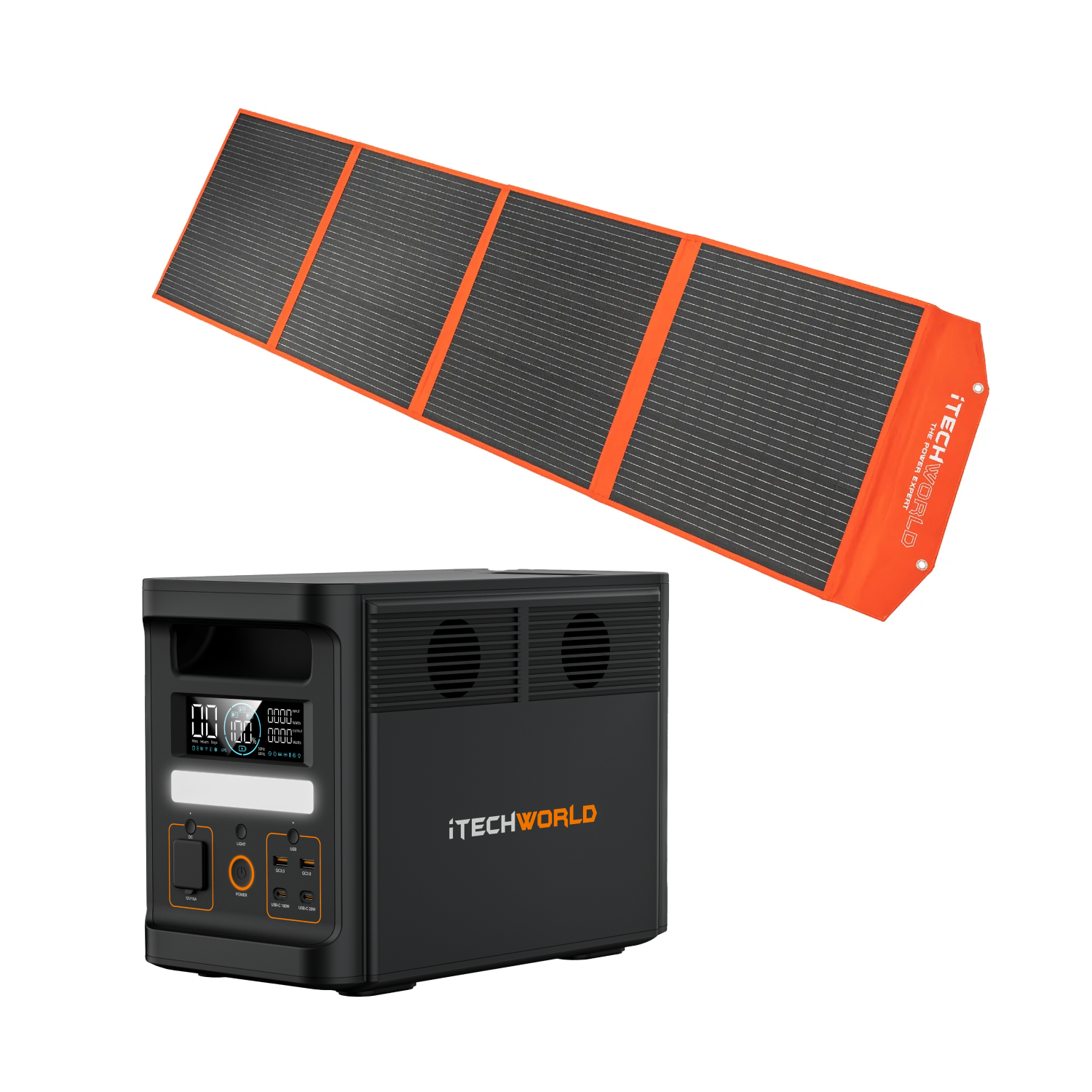
Credit: itechworld.com.au
Frequently Asked Questions
How Do I Protect My Solar Generator From Emp?
Shield your solar generator using a Faraday cage. This blocks electromagnetic pulses and prevents damage. Use EMP-proof bags for cables and connectors. Ensure all openings are properly sealed to maintain protection. Regularly check and maintain the shielding to ensure effectiveness against EMP threats.
How To Create A Homemade Faraday Cage?
Use aluminum foil or a metal box to block electromagnetic signals. Line the interior with non-conductive material. Ensure complete coverage without gaps. Secure edges with tape for effectiveness. Test by placing a phone inside and calling it. If it doesn’t ring, your Faraday cage works.
Can You Use A Faraday Blanket To Protect A Generator?
A Faraday blanket can shield a generator from electromagnetic interference. It blocks unwanted signals and helps protect sensitive components. Ensure the blanket fully covers the generator for effective protection. This can enhance performance and prevent disruptions in operation. Always choose a quality Faraday blanket for the best results.
What Can I Use Instead Of A Faraday Box?
Use aluminum foil, a metal cookie tin, or a microwave to block electromagnetic signals instead of a Faraday box. Ensure all openings are sealed tightly for effectiveness.
Conclusion
Creating a Faraday cage for your solar generator is possible. It helps shield your device from electromagnetic interference. Use metal materials like aluminum or copper for the cage. Ensure there are no gaps or openings. This keeps the electric fields out effectively.
Consider the size of your solar generator. Build the cage accordingly. It’s a practical way to protect your investment. You can enhance the lifespan of your device. It also ensures reliable performance during storms or power surges. Stay prepared and secure your solar generator today.