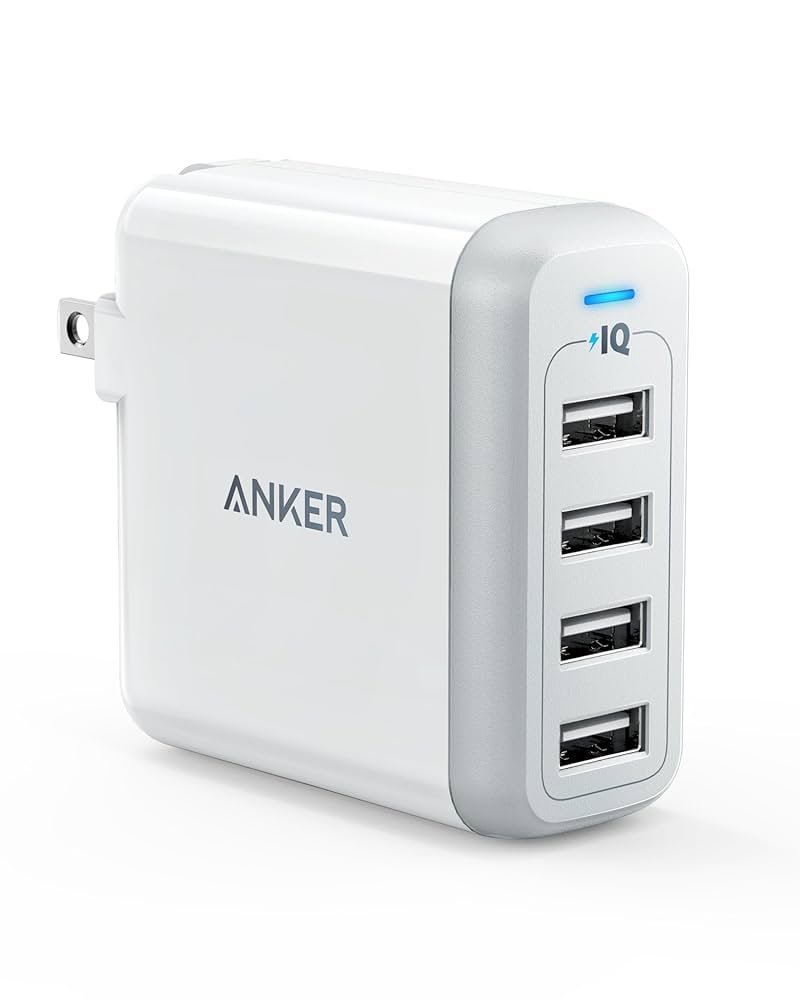
Imagine you’re always on the move, juggling multiple devices that constantly need a charge—your phone, tablet, smartwatch, and maybe even a laptop. Multi-port chargers seem like the perfect solution, offering convenience and efficiency.
But then you hear whispers of caution: “Can multi-port chargers damage your batteries? ” It’s a valid concern that might have you feeling uneasy about plugging in all your gadgets simultaneously. You want to keep your devices in top shape, but you’re not sure if you’re risking long-term damage.
Understanding how multi-port chargers interact with your batteries can save you from potential pitfalls and ensure your devices stay powered up and healthy. Dive into this article, and let’s unravel the truth together, so you can charge with confidence and keep your tech running smoothly.

Credit: www.morganscloud.com
Multi-port Chargers: An Overview
Multi-port chargers come in different forms. Some are wall chargers. Others are car chargers. A few are portable chargers. Wall chargers plug directly into outlets. Car chargers connect to your vehicle. Portable chargers use batteries. Each type has unique features.
- Multiple USB ports for charging.
- Fast charging capabilities.
- LED indicators for power status.
- Compact and lightweight design.
- Overcharge protection for safety.
Battery Basics
Batteries store energyin a chemical form. This energy transforms into electricitywhen needed. Inside, batteries have two main parts: the anodeand the cathode. These parts help in moving electrons, creating power. Electrolytes help electrons flow between anode and cathode. This movement provides the power for devices.
- Alkaline Batteries– Used in remote controls and toys.
- Lithium-Ion Batteries– Found in phones and laptops.
- Nickel-Metal Hydride Batteries– Often in cameras.
- Lead-Acid Batteries– Used in cars.
Charging Mechanisms
Multi-port chargers are generally safe, but poor quality ones might overheat and damage batteries. Ensure using high-quality chargers to protect device longevity.
Standard Charging Protocols
Chargers follow certain rules to charge batteries. These rules are called standard charging protocols. They ensure batteries get the right amount of power. This helps in keeping the battery safe. Most devices today use these protocols. They help in preventing battery damage.
Fast Charging Vs. Regular Charging
Fast charging gives power quickly. It can heat up the battery more. This might cause some wear over time. Regular charging is slower. It usually keeps the battery cooler. Fast charging is useful when you need power fast. Regular charging can be better for battery health.

Credit: www.reddit.com
Potential Risks Of Multi-port Chargers
Heat is a big worry with multi-port chargers. Using many ports at once can make chargers very hot. This heat can affect batteries. High temperatures can harm battery health. Batteries may lose their charge faster. They might not last as long. Keeping them cool is important. Never cover chargers. Allow air to flow around them. This helps in reducing heat. A cooler environment is better for batteries.
Overcharging can damage batteries. Multi-port chargers might charge for too long. This can lead to overcharging. Overcharged batteries may swell or leak. They might not work properly. Always unplug devices when fully charged. Many devices stop charging when full. But some keep charging. Be careful and check your devices. Safe charging keeps batteries healthy.
Myths Vs. Facts
Many people think multi-port chargers harm batteries. This is not true. Modern batteries have smart technology. They stop charging when full. This protects them from overcharging. Some fear faster chargers are bad. Fast chargers are safe for most devices. They are designed for quick charging. Always use a charger that matches your device’s needs.
Scientists have tested chargers and batteries. Tests show that multi-port chargers do not damage batteries. Using the right charger is key. Charging cables and ports matter too. Good cables help with safe charging. Always check your device’s manual for guidance. If you follow these tips, your battery will stay safe.

Credit: www.amazon.com
Safeguards And Best Practices
Quality chargersprotect your device. They come with safety certifications. Look for chargers with CE, FCC, and RoHSlabels. These labels mean the charger is safe. Avoid cheap chargers from unknown brands. They might damage your battery. Choose chargers with overcharge protection. This feature stops charging when full. It keeps your battery healthy. A charger with temperature controlis good. It prevents overheating. Chargers with multiple ports should be smart. They adjust power for each device.
Watch your device while it charges. Avoid leaving it charging overnight. This can be harmful. Unplug when fully charged. It keeps the battery safe. Use a charger with a timer feature. It stops after set time. Check battery temperature during charging. If it feels hot, unplug it. This prevents damage. Keep the charging area clean. Dust can cause problems. Use devices in a cool spot. Heat can affect battery life. Regularly inspect your charger. Look for any damage. Replace if necessary. This ensures safe charging.
Expert Opinions
Experts weigh in on whether multi-port chargers harm batteries. Some argue that quality chargers safeguard battery health, while others caution about potential risks from cheaper, poorly-made chargers. Understanding charger specifications and proper usage can help ensure battery longevity.
Insights From Battery Manufacturers
Battery makers say chargers should match battery specs. Using the wrong charger might damage batteries. Multi-port chargers can be safe if each port gives the right power. Charging too fast can cause heat problems. Follow the manufacturer’s guidelines to keep batteries safe. Smart chargers can adjust power levels to prevent damage. Regular checks on battery health are also recommended.
Tech Experts’ Views
Tech experts agree that multi-port chargers are generally safe. Overcharging can cause problems, though. Chargers with built-in protection features are best. They help stop overcharging and overheating. Experts advise using chargers from trusted brands. Quality chargers usually have safety features. Always check if the charger suits your device.
Future Of Charging Technology
Exploring the future of charging technology raises questions about multi-port chargers and battery health. Multi-port chargers, when used correctly, are generally safe and do not damage batteries. Proper usage and quality chargers are key to ensuring battery longevity.
Innovations In Charger Design
Multi-port chargers are becoming popular. They let users charge many devices at once. These chargers can now adjust power output. This helps avoid overloading batteries. Designs now focus on smart features. Smart chargers can detect battery needs. They optimize charging speed and power. This helps keep batteries safe and healthy. USB-C connectors are also common now. They offer faster and safer charging. These designs aim to protect batteries from damage. They are also easy to use and carry.
Impact On Battery Longevity
Good chargers can extend battery life. They prevent overheating and overcharging. This helps batteries last longer. Batteries stay healthy with proper charging. Smart chargers adjust to different devices. This reduces stress on batteries. Using the right charger is important. It keeps batteries working well. This helps save money on new batteries.
Frequently Asked Questions
Are Multi-device Chargers Safe?
Multi-device chargers are generally safe when sourced from reputable brands. Ensure compatibility with your devices to avoid damage. Check for certifications like CE or UL for safety assurance. Regularly inspect the charger for wear and tear. Avoid overloading and use in accordance with manufacturer instructions for optimal safety.
Does Charging With A Different Charger Damage The Battery?
Using a different charger can potentially damage the battery if it’s incompatible. Always use chargers with the correct voltage and amperage. Certified chargers are recommended to ensure battery safety and longevity.
Does Charging Port Affect Battery?
A faulty charging port can impact battery performance by causing poor or inconsistent charging. Ensure proper connections and maintenance for optimal battery health. Regularly inspect the port for debris and damage to prevent charging issues. Using a certified charger also helps maintain battery efficiency.
Does Frequent Charging Damage The Battery?
Frequent charging can affect battery lifespan over time. Lithium-ion batteries have limited charge cycles. Avoiding complete discharges and maintaining moderate battery levels helps. Charging efficiently and using quality chargers reduces potential damage. Regularly updating your device’s software can improve battery management and efficiency.
Conclusion
Using multi-port chargers carefully helps maintain battery health. Quality chargers ensure safe charging. Always choose trusted brands to avoid risks. Check compatibility with your devices. Avoid overcharging to prolong battery life. Keep your charging environment cool and dry. Regularly inspect chargers for damage or wear.
Stop using faulty chargers immediately. Multi-port chargers offer convenience. They can power multiple devices efficiently. Proper use prevents battery damage. Follow these tips for optimal performance. Enjoy the benefits of multi-port chargers wisely. Stay informed and keep your devices safe.