Imagine it’s a sweltering summer day. You’re outdoors, perhaps camping, or maybe working on a project in your garage.
You desperately need relief from the heat, but you’re off the grid. This is where portable power stations come in, offering you the promise of electricity wherever you go. But can they handle the heavy lifting of powering an air conditioner?
You might wonder if these compact devices are up to the task or if they’re just another gadget that falls short of expectations. You’ve probably heard the buzz about portable power stations, praised for their versatility and eco-friendly nature. They sound promising, but when it comes to running energy-intensive devices like air conditioners, doubts start creeping in. Can they truly deliver that cool, refreshing breeze you crave? Or are you setting yourself up for disappointment? We’ll dive deep into the capabilities of portable power stations, exploring their potential and limitations. You’ll discover whether they can be your reliable companion for beating the heat, or if you should look elsewhere. Don’t miss out on the essential information that could change your comfort levels dramatically. Keep reading to find out if portable power stations can be your ticket to a cooler, more comfortable environment.

Credit: northeast.newschannelnebraska.com
Portable Power Station Basics
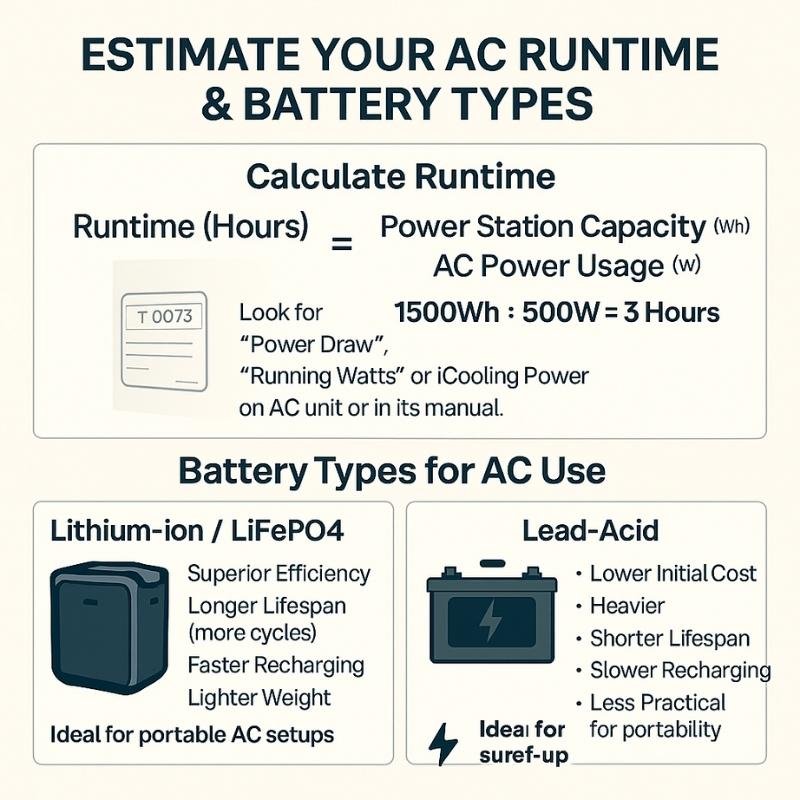
Running an air conditioner with a portable power station depends on the unit’s wattage and power capacity. Most portable stations can handle small AC units, but larger ones may require a more powerful generator. Always check your device’s power requirements before using a portable power station.
Types Of Portable Power Stations
Portable power stations come in different types. Some use lithium-ion batteries. These are light and easy to carry. Others use lead-acid batteries. They are heavier but often cheaper. Each type has its own benefits. Choose based on your needs and budget. Always check the power station type before buying.
Power Output And Capacity
Power output shows how much energy the station gives. Higher output means more devices can run. Capacity tells how long it can run devices. A higher capacity means longer usage time. Look for a power station with at least 1000 watts output. This is important for running big devices like air conditioners. Always know the power and capacity before using it.
Air Conditioner Power Requirements
BTU stands for British Thermal Unit. It measures how much heat an air conditioner can remove. More BTUs mean more cooling power. A small room needs fewer BTUs than a big room. Choosing the right BTUs saves energy. It also keeps your room comfy. Check your air conditioner’s BTUs before using a power station.
Many things affect how much energy an air conditioner uses. The size of the room is important. Bigger rooms need more power. The outside temperature also matters. Hotter days need more energy to cool. The air conditioner’s age and model can change energy use too. Newer models often use less power. Check these factors before using a portable power station.
Matching Power Stations With Air Conditioners
Portable power stations can run air conditioners, but compatibility depends on the power rating. Check the air conditioner’s wattage and ensure the power station can handle it.
Calculating Power Needs
Air conditioners need a lot of power. Check how many watts your air conditioner uses. This is important. Portable power stations have different power limits. Find a station that matches the air conditioner’s power needs. Some stations have 500 watts, others 1000 watts or more. Always choose a power station with a little extra power. This helps in case of sudden power spikes.
Compatibility Considerations
Check the power station’s outlets. Make sure they match your air conditioner plug. Some power stations have only USB ports. Others have regular outlets. Look for AC outlets. These work best with air conditioners. Battery size matters too. A bigger battery lasts longer. But it can be heavy. Choose a balance between power and weight. This makes it easier to carry.
Real-life Scenarios
Portable power stations can sometimes run air conditioners, but it depends on the power output. Some units handle small AC units, ideal for camping or emergencies. Always check the power station’s capacity before use.
Camping And Outdoor Use
Portable power stations are handy for camping trips. They can power lights and small fans. Air conditioners need more power. A small AC might work, but not for long. Battery life is limited. Choose a powerful station for longer use. Check the power needs of your AC. It’s important to plan your energy use.
Emergency Situations
In emergencies, portable power stations help a lot. They keep essential devices running. Using them with air conditioners is tricky. Power stations can’t run big AC units for long. They are good for short-term relief. You can use them for fans and lights. Always check the power limits. Ensure you have backup plans.
Challenges And Limitations
Running air conditioners with portable power stations presents challenges due to high power demands. Most units can’t handle prolonged usage without frequent recharging. Additionally, larger air conditioners often exceed the power capacity of portable stations, limiting their effectiveness.
Battery Life Concerns
Portable power stations have small batteries. Air conditioners need a lot of power. This can drain the battery fast. The battery may only last a few hours. Hot days can make this worse. Frequent charging is needed. This can be inconvenient for users.
Efficiency Issues
Air conditioners require consistent power. Portable stations sometimes struggle with this. They can overheat or shut down. This interrupts cooling and comfort. Efficiency drops when the battery is low. Keeping the station cool helps it run longer. But it’s not always easy to do.
Credit: www.ecoflow.com
Tips For Optimal Use
Ensure the power station’s output matches the air conditioner’s requirements. Use energy-efficient settings to maximize runtime. Regularly check and maintain both devices for optimal performance.
Extending Power Station Lifespan
Keep the power station in a cool, dry place. Avoid using it in direct sunlight. Heat can damage the components. Charge it regularly, even when not in use. This keeps the battery healthy. Use only the recommended chargers. Unapproved chargers might harm the battery. Clean the power station with a dry cloth. Dust can affect its performance. Avoid overloading with high-power devices. This can strain the battery.
Choosing The Right Model
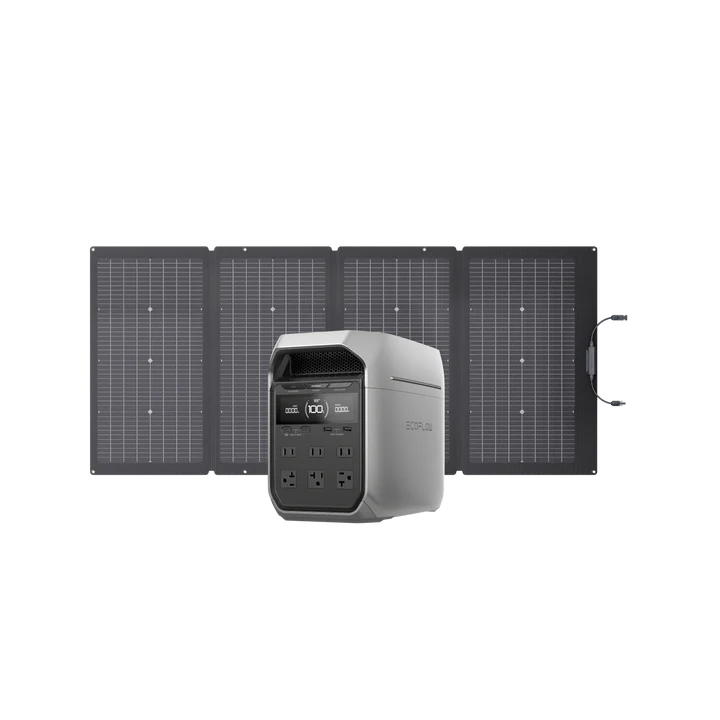
Pick a power station with enough wattage for your needs. Check the air conditioner’s power requirement first. Ensure the power station has multiple outlets. This allows connecting more devices. Look for one with a clear display. It helps to monitor power usage. Choose a model with a long battery life. This provides more usage time. Consider the weight if you need portability. Lighter models are easier to carry.

Credit: www.jackery.com
Frequently Asked Questions
Can A Portable Power Station Run A Portable Air Conditioner?
Yes, a portable power station can run a portable air conditioner. Ensure the power station’s wattage matches the air conditioner’s requirements. Check both the starting and running watts to avoid overloading. Always verify the power station’s capacity and battery duration for efficient operation.
How Long Can A Jackery Run A Portable Air Conditioner?
Jackery’s run time for a portable air conditioner varies. It depends on the air conditioner’s wattage and the Jackery model. Typically, a Jackery can power an air conditioner for several hours. Check the Jackery’s capacity and the air conditioner’s power requirements for exact run time.
What Size Power Inverter Do I Need To Run An Air Conditioner?
To run an air conditioner, you typically need a power inverter of at least 2000 to 3000 watts. Check your air conditioner’s wattage requirements for accuracy. Ensure the inverter matches your unit’s startup and running wattage to avoid issues. Consider inverter efficiency and battery capacity for optimal performance.
How Many Watts Does It Take To Run A Portable Air Conditioner?
Portable air conditioners typically use 500 to 1500 watts. The exact wattage depends on the model and size. Check your unit’s specifications for precise energy consumption. Efficient models can save electricity, so consider energy ratings when purchasing.
Conclusion
Portable power stations can support air conditioners, but check the capacity. Small units might struggle with large ACs. Consider your power needs before buying. A portable power station offers flexibility. It can power other devices too. Choose a model with enough wattage for your AC.
Remember, running time depends on battery capacity. Always check specifications. Plan for the power you need. Consider usage time and energy efficiency. A good choice ensures comfort during power outages. Stay cool and relaxed with the right portable power station.
Make an informed decision for reliable AC power.