Have you ever wondered if a silent gas generator can keep your air conditioner running smoothly during a power outage? If you rely on your AC to stay cool and comfortable, knowing the right generator to use is crucial.
This article will clear up the confusion and help you understand whether a silent gas generator is the perfect match for your AC needs. Keep reading—you’re about to discover the key to staying cool, no matter what.
Silent Gas Generators Basics
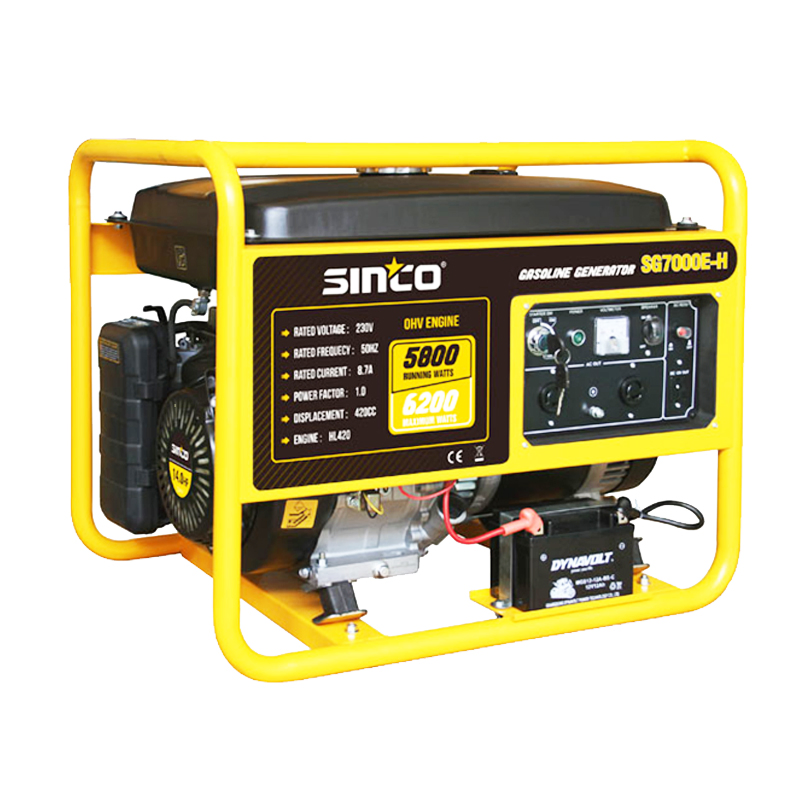
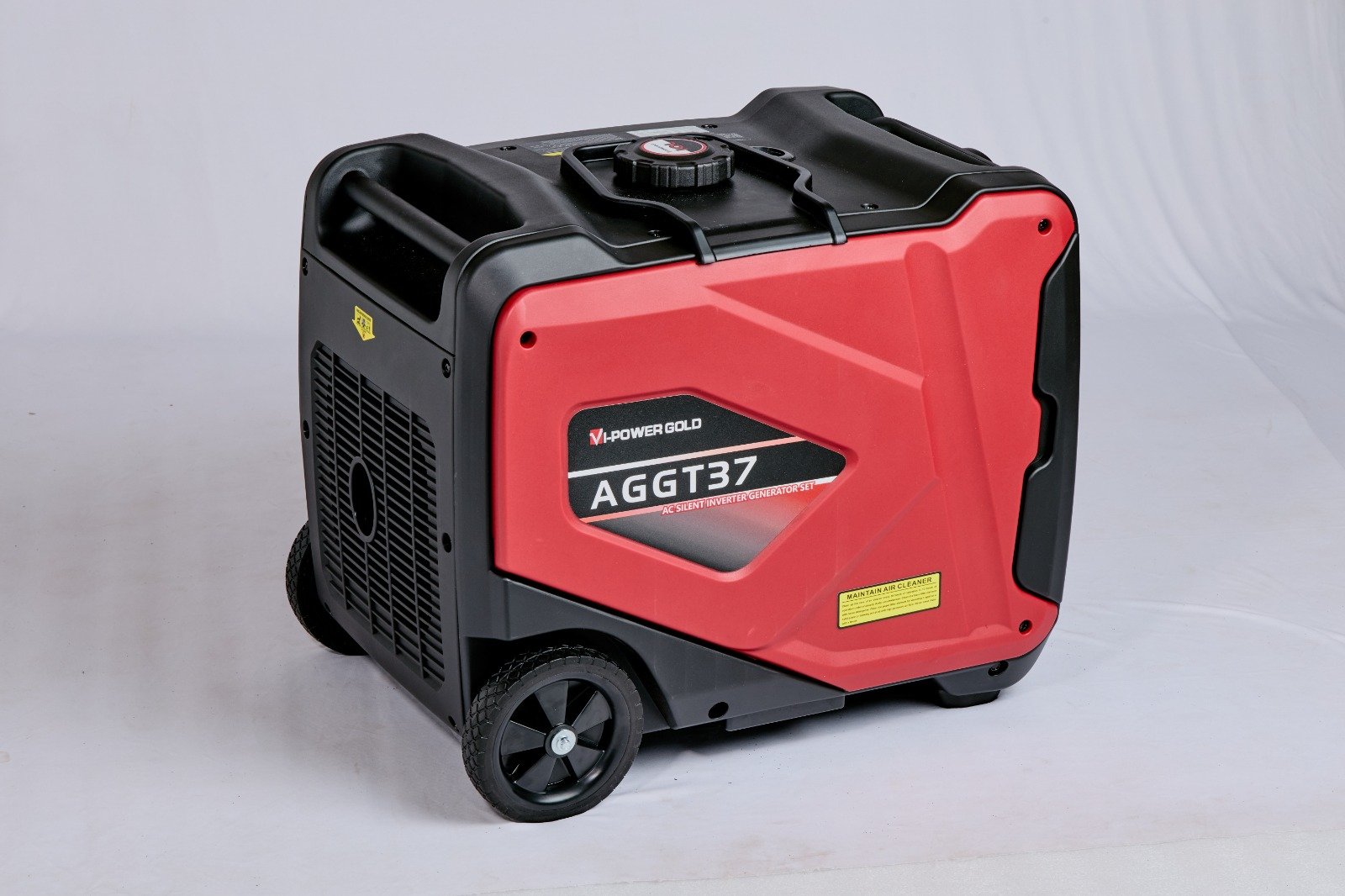
Silent gas generators use a quiet enginecombined with soundproof covers. This design reduces noisewhile running. They work by burning gas to create energy. This energy then powers an alternatorto produce electricity.
Inside, a muffler and insulation help keep the sound low. These generators have a compact sizeand are easy to move. They are great for places where noise should be minimal, like homes or offices.
| Key Feature | Description |
|---|---|
| Low Noise Level | Operates quietly, usually under 60 decibels |
| Fuel Type | Runs on natural gas or propane |
| Portability | Lightweight and easy to carry |
| Power Output | Suitable for small to medium appliances |
| Fuel Efficiency | Consumes less fuel for longer run time |
Credit: kisanmartonline.com
Ac Power Requirements
Air conditioners need different amounts of power to work well. The starting wattageis the extra power needed to start the AC. It is usually higher than the running wattage, which is the power used while the AC runs. Knowing both is important for choosing the right generator.
Here is a simple table showing common types of air conditioners and their power needs:
| Type of AC | Starting Wattage (Watts) | Running Wattage (Watts) |
|---|---|---|
| Window AC (5,000-6,000 BTU) | 1,200 – 1,500 | 500 – 600 |
| Window AC (10,000-12,000 BTU) | 2,000 – 2,500 | 1,000 – 1,200 |
| Portable AC | 1,500 – 2,000 | 600 – 1,000 |
| Split AC (1 Ton) | 2,500 – 3,000 | 900 – 1,200 |
Always check the power specs on your AC before using a generator. Silent gas generators must handle the starting surgeand keep running without problems.
Matching Generator To Ac Load
Calculating the power needsof an air conditioner is important for choosing the right generator. Check the AC’s wattageon its label or manual. Most AC units use between 500 and 2000 watts. Remember, the generator must handle the starting surge, which is often 2 to 3 times the running watts.
The generator capacitymust match or exceed the AC’s power needs. For example, an AC needing 1500 watts continuously may require a generator with a 3000 to 4000 watt surge capacity. Silent gas generators often offer this power quietly.
| AC Power (Watts) | Starting Surge (Watts) | Recommended Generator Size (Watts) |
|---|---|---|
| 500 | 1000 – 1500 | 1500 – 2000 |
| 1000 | 2000 – 3000 | 3000 – 4000 |
| 1500 | 3000 – 4500 | 4000 – 5000 |
Credit: www.amazon.in
Pros And Cons Of Using Silent Generators For Ac
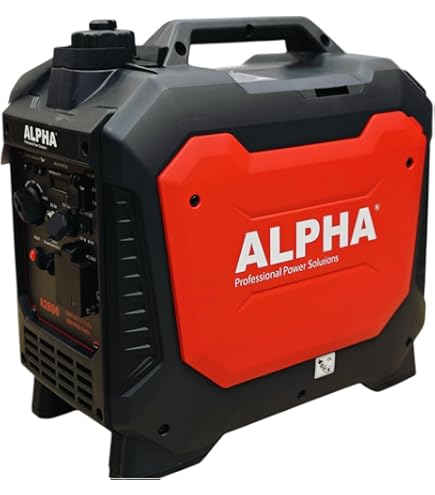
Silent gas generatorsare quieter than regular ones. They cause less noise, which is good for homes. They use less fuel, so they save money. These generators are portableand easy to move. They can run an AC but usually only small or medium units. The quiet operationmakes them great for places where noise matters.
They can be a bit more expensivethan normal generators. Also, their power might not be enough for large ACs. They need regular maintenanceto work well. Sometimes, they run for shorter times without refueling. Not all models handle high power loadsperfectly.
Tips For Running Ac On Silent Generator
Running an AC on a silent gas generatorneeds careful settings. Use a generator with enough wattageto handle the AC’s starting and running power. Set the generator to a stable outputto avoid damage to the AC unit. Keep the AC’s thermostat at a moderate level to reduce power draw.
Regular maintenance keeps the generator working well. Check and change the oiloften. Clean or replace the air filterto keep airflow smooth. Inspect the spark plug and fuel lines for any wear or leaks. Run the generator for a few minutes monthly to keep it ready.
Common Issues And Troubleshooting
Silent gas generators may struggle to run air conditioners due to high power demands. Common issues include insufficient wattage and overload protection triggering shutdowns. Checking generator capacity and proper connections helps resolve these problems quickly.
Overload Problems
Overloadhappens when the generator tries to power too many devices. This can cause the generator to shut down or run poorly. To avoid this, check the wattageof your AC and other appliances. Make sure the total is below the generator’s capacity. Using an AC with a silent gas generator that is not powerful enough may cause damage. Keep the generator in good condition by regular maintenance. This helps prevent overload and extends the generator’s life.
Noise And Vibration Concerns
Silent gas generators are made to run quietly, but some noise is normal. If the generator makes loud sounds or shakes a lot, check for loose parts or worn-out mounts. Place the generator on a flat, stable surfaceto reduce vibration. Using rubber padscan help absorb noise and vibration. Also, ensure the exhaust is clear, as blockages can increase noise. Regular cleaning and tightening bolts can keep the generator running smoothly and quietly.
Energy Efficiency And Fuel Considerations
Fuel consumption ratesdepend on the generator size and load. A silent gas generator uses less fuel when running smaller devices. Air conditioners need more power, so fuel use rises. Running an AC for long hours can increase fuel costs.
Eco-friendly practiceshelp reduce pollution and save money. Using fuel-efficient generators lowers emissions. Regular maintenance keeps the generator working well and uses less fuel. Choosing clean fuel options also helps the environment.
| Fuel Type | Fuel Efficiency | Environmental Impact |
|---|---|---|
| Gasoline | Moderate | High emissions |
| Propane | Better | Lower emissions |
| Natural Gas | High | Lowest emissions |

Credit: vtoman.com
Frequently Asked Questions
Can A Silent Gas Generator Power An Ac Unit?
Yes, a silent gas generator can power an AC if it has enough wattage. Check the AC’s starting and running watts. Choose a generator that exceeds these requirements for smooth operation.
What Generator Size Is Needed For Running Ac?
Typically, a 3000 to 5000-watt silent gas generator can run a small to medium AC unit. Larger ACs may require generators with higher wattage to handle the startup surge.
How Long Can A Silent Gas Generator Run An Ac?
A silent gas generator can run an AC for several hours, depending on fuel capacity and consumption. Regular refueling and maintenance ensure continuous operation during power outages.
Are Silent Gas Generators Efficient For Ac Use?
Silent gas generators are efficient for AC use because they produce less noise and stable power. They help maintain comfort without disturbing your environment.
Conclusion
Silent gas generators can effectively power an AC unit. They offer a quiet solution for cooling needs. Choose the right generator size for your AC. Proper maintenance ensures efficient operation. Check fuel levels regularly. Keep the generator in a safe, ventilated area.
This prevents overheating and ensures safety. Silent generators provide peace during hot days. They are a great option for homes and offices. Consider your power needs before buying. This ensures the right match for your AC. Enjoy a cool environment with minimal noise.