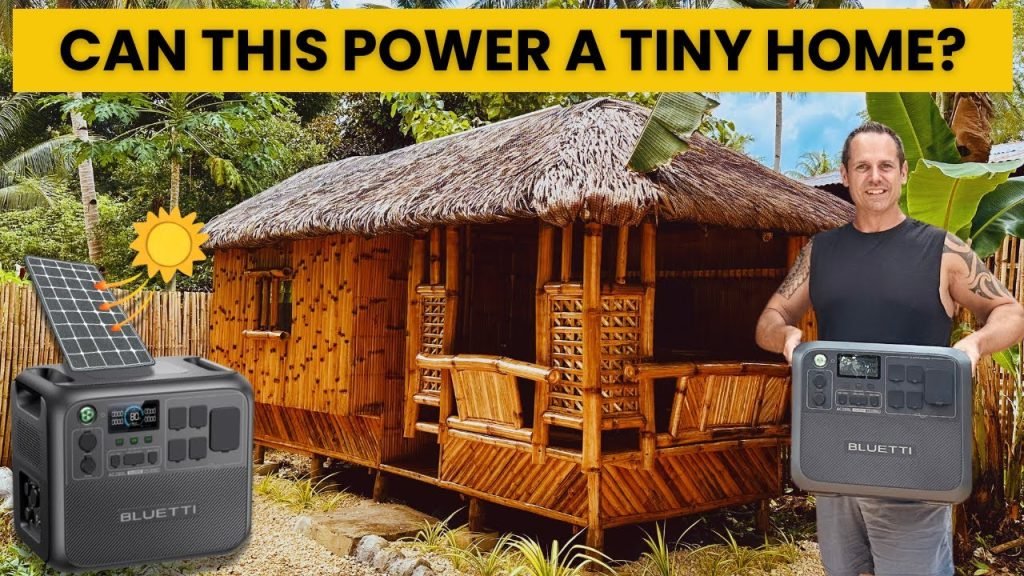
Imagine waking up to the gentle hum of nature, knowing your tiny house is powered by the sun. The idea of a solar generator powering your little sanctuary is not just a dream—it’s a sustainable reality within your reach.
Are you curious about harnessing the sun’s energy to live off-grid or simply reduce your carbon footprint? You’re not alone. Many are asking if a solar generator can truly meet the energy needs of a tiny house. The answer is not just about saving the planet; it’s about embracing freedom and self-sufficiency.
You’ll discover the possibilities and practicalities of running a tiny house on solar power. Let’s explore if the sun can be your new best friend in sustainable living.
Solar Generators: Basics
Understanding the basics of solar generators can be your first step towards energy independence, especially in a tiny house. Imagine living sustainably, off-grid, and still having access to all your essentials. Solar generators can make that dream a reality. But how do they work?
Definition And Function
Solar generators are portable systems that convert sunlight into electricity. They typically store this energy in a battery for later use. Unlike traditional generators, they don’t rely on fossil fuels, making them eco-friendly and quiet.
Think of a solar generator as a power bank for your tiny house. It powers your lights, charges your devices, and even runs small appliances. But can it handle all your needs?
Components And Technology
The core components of a solar generator include solar panels, a battery storage system, an inverter, and a charge controller. Each plays a unique role in generating and storing energy.
- Solar Panels:Capture sunlight and convert it into electricity.
- Battery Storage:Stores the electricity for use when sunlight isn’t available.
- Inverter:Converts stored DC power into AC power, which is usable by most household devices.
- Charge Controller:Protects the battery from overcharging and ensures efficient energy flow.
Advanced technology has made these components more efficient and affordable. You can even monitor your energy usage through apps, optimizing your consumption. Are you ready to embrace this technology in your tiny house?
Tiny House Energy Needs
Solar generators offer a sustainable energy solution for tiny houses. They provide enough power for lights, appliances, and basic electronics. With careful planning, they can efficiently meet the energy needs of a tiny home.
Average Power Consumption
Tiny houses use less energy than traditional homes. On average, they consume 2,000 to 3,000 watts per day. This is far lower than the typical household. Energy-efficient designs and mindful usage contribute to this reduced consumption. Monitoring usage helps in planning solar power needs.Essential Appliances
Essential appliances in tiny houses vary. Common items include a fridge, lights, and a heater. Some may use a small oven or a microwave. A water pump and a laptop are also typical. Each appliance has specific power requirements. Calculating these helps in choosing the right solar generator.Solar Generator Capacity
Solar generators can power a tiny house by providing renewable energy. Their capacity depends on battery size and panel efficiency. Sufficient capacity ensures consistent power for essential appliances and lighting.
Solar generators are a popular choice for powering tiny houses. They offer a sustainable and efficient energy solution. Understanding the capacity of a solar generator is crucial for meeting energy needs. Let’s explore how power output and battery storage options affect solar generator capacity.Power Output Potential
The power output of a solar generator depends on several factors. First, the size and efficiency of the solar panels matter. Larger panels capture more sunlight, increasing energy production. Efficiency rates determine how well panels convert sunlight into electricity. Weather conditions also play a role. Sunny days boost energy output, while cloudy weather can reduce it. It’s essential to consider these factors for consistent power supply. Calculating your tiny house’s energy needs helps in selecting the right generator size.Battery Storage Options
Battery storage is key to using solar power effectively. It stores excess energy for use during cloudy days or nighttime. Different types of batteries offer various benefits. Lithium-ion batteries are popular for their longevity and efficiency. They require less maintenance and have a longer lifespan. Lead-acid batteries are another option, often more affordable. They are heavier and need regular maintenance, though. Choosing the right battery depends on your energy needs and budget. Proper battery management ensures a steady power supply for your tiny house. Understanding these options helps maximize your solar generator’s capacity.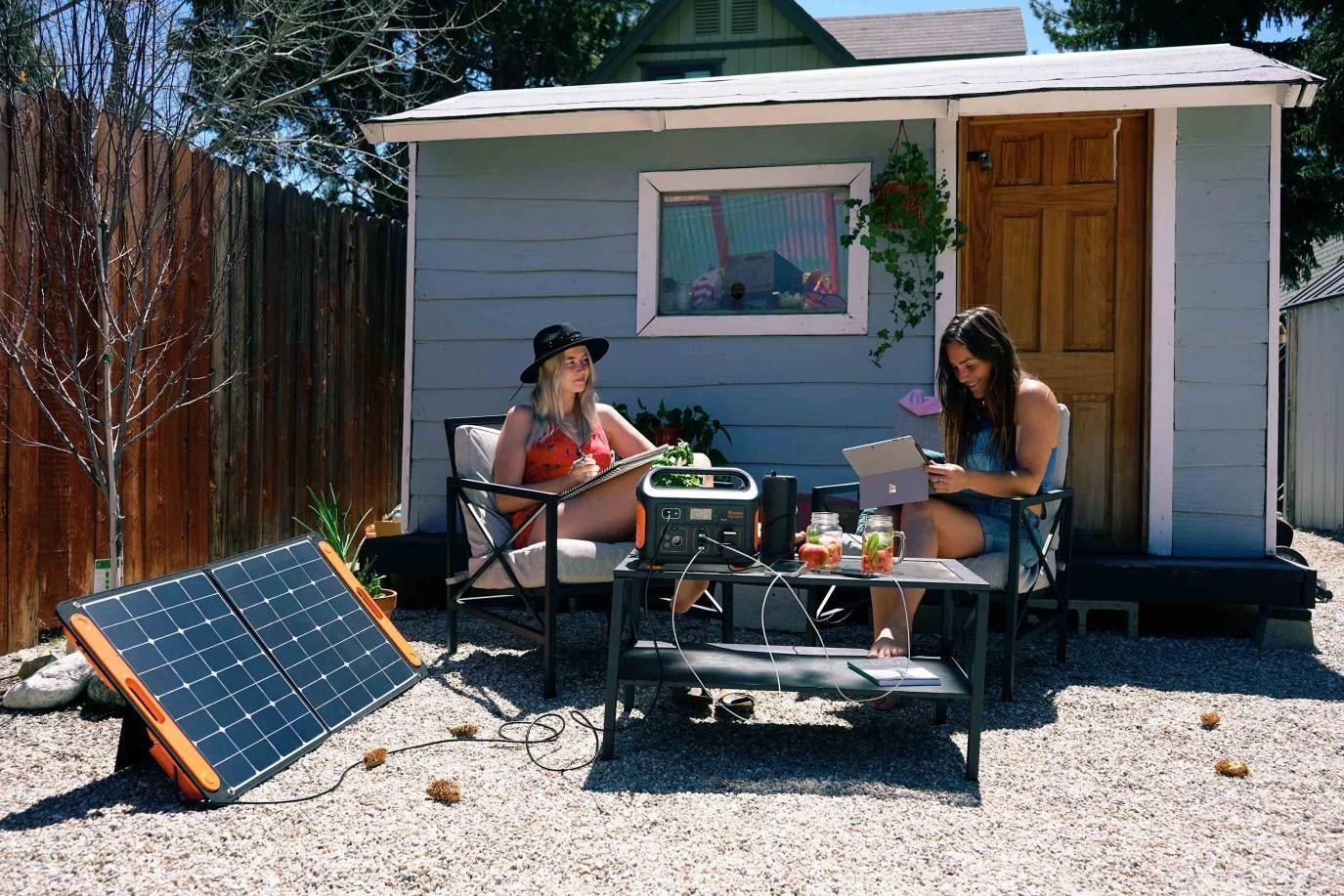
Credit: www.jackery.com
Installation And Setup
Setting up a solar generator in a tiny house is straightforward. It’s essential to understand installation and setup specifics. Each tiny house is unique, so customizing your approach matters.
Space Requirements
Solar generators need space for panels and batteries. Tiny houses have limited space, so plan carefully. Roofs are ideal for solar panels. They save ground space and capture sunlight effectively.
Calculate the area needed for panels. Ensure the roof can support them. Batteries and generators need space inside the house. Consider cabinet or storage areas. Keep them accessible for maintenance.
Connection Process
Connecting a solar generator involves linking it to the house’s electrical system. Start by installing panels. Connect them to the battery storage. Then, link the batteries to the generator.
Use proper wiring to ensure safety. Consider hiring a professional for complex setups. Check connections regularly to prevent issues. A well-connected system runs efficiently and reliably.
Cost Considerations
Investing in a solar generator for a tiny house can be costly initially. However, it often reduces long-term energy expenses. Comparing installation costs and potential savings helps in making an informed decision.
Cost considerations play a big role in deciding to use a solar generator for a tiny house. Understanding both the upfront and ongoing costs helps in making an informed decision. Let’s explore these financial aspects in detail.Initial Investment
The initial cost of a solar generator can vary. Prices depend on the generator’s size and capacity. A higher capacity generator costs more but offers more power. It includes the price of solar panels, batteries, and inverters. Installation costs might also be part of the initial investment. This includes hiring professionals to set up the system correctly. Many people find this cost worthwhile due to long-term savings on electricity bills.Maintenance Expenses
Maintenance costs for solar generators are generally low. Solar panels need occasional cleaning to work efficiently. Batteries might need replacement every few years. This depends on usage and battery type. Regular checks ensure the system runs smoothly. These checks prevent unexpected repairs and keep performance optimal. Proper maintenance extends the lifespan of the solar generator.Benefits Of Solar Generators
Harnessing solar power offers a sustainable energy solution for tiny houses. Solar generators can efficiently power essential appliances. This eco-friendly option reduces electricity costs and reliance on the grid.
The benefits of solar generators are vast and compelling, especially for tiny house dwellers. These compact power systems offer a sustainable and efficient way to harness energy from the sun. They can significantly reduce reliance on traditional electricity sources. Solar generators provide clean power, making them an ideal choice for environmentally conscious homeowners. Let’s explore the advantages of using solar generators in tiny houses.Environmental Impact
Solar generators produce energy without harmful emissions. This reduces your carbon footprint significantly. The sun provides a renewable source of power. By using solar energy, you contribute to a cleaner planet. Tiny houses equipped with solar generators help in conserving energy. This aligns with the eco-friendly lifestyle many tiny homeowners embrace. Choose solar to support sustainable living.Energy Independence
Solar generators offer energy independence. You generate your own electricity. This reduces reliance on the grid. Power outages become less of a concern. Solar energy is available even in remote locations. Tiny houses can be powered anywhere. Enjoy the freedom of having consistent energy. Your tiny home remains powered day and night. Solar energy ensures reliable electricity supply.Challenges And Limitations
Powering a tiny house with a solar generator faces challenges like limited energy storage and inconsistent sunlight. Solar panels may struggle to meet energy demands during cloudy days or high usage. Careful planning and energy management are crucial to overcome these limitations and ensure sustainable living.
Powering a tiny house with a solar generator comes with its own set of challenges and limitations. While solar energy offers a sustainable solution, certain factors can impact its effectiveness. Understanding these challenges is crucial for successful implementation.Weather Dependencies
Solar generators rely on sunlight to generate power. Cloudy days can significantly reduce energy production. Rainy weather can further impact the efficiency of solar panels. Seasonal changes also play a role. Shorter winter days mean less sunlight. This leads to decreased energy generation.Power Limitations
Solar generators have specific power output limits. Tiny houses must manage energy consumption carefully. High-energy appliances might exceed the generator’s capacity. Heating and cooling systems demand considerable power. Battery storage capacity also affects energy availability. A solar setup might not support heavy usage continuously.
Credit: www.jackery.com
Success Stories
Exploring the potential of solar generators for tiny houses reveals inspiring success stories. These compact power systems efficiently support sustainable living, providing essential energy for daily activities. Transitioning to solar energy not only reduces environmental impact but also offers independence from traditional electricity sources.
Success stories of solar generators powering tiny houses inspire many. These tales show the potential of solar energy in small spaces. They highlight practical solutions and real-life benefits.Real-world Examples
Many tiny house owners have embraced solar power successfully. One couple in Oregon built a 200-square-foot home. They installed a solar generator to meet all energy needs. Their system powers lights, a small fridge, and a laptop. Even in cloudy weather, they manage well. In Colorado, another family lives in a 150-square-foot house. Their solar generator supports heating, cooking, and basic appliances. They save money and live sustainably. Their story proves solar generators can handle tiny house energy demands.Lessons Learned
These stories teach valuable lessons. First, assess energy needs carefully. Understanding usage helps in choosing the right solar generator. It ensures you have enough power without overloading the system. Second, location matters. Solar generators work best with ample sunlight. Consider shading and panel placement for maximum efficiency. This maximizes energy output and reliability. Lastly, maintenance is key. Regularly check and clean solar panels. This keeps them efficient and extends their lifespan. Proper care ensures a continuous power supply.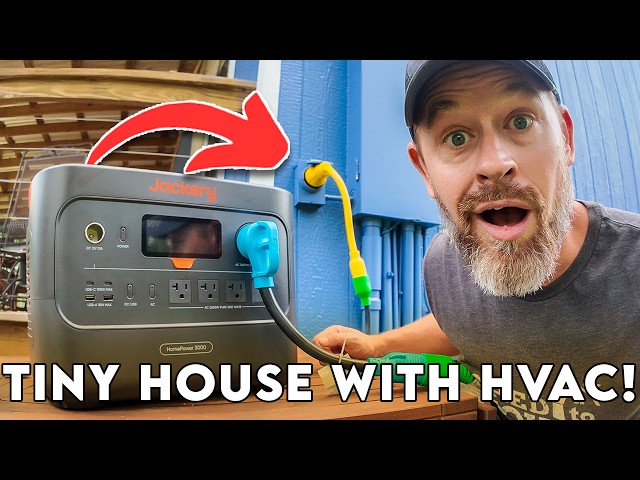
Credit: www.youtube.com
Frequently Asked Questions
How Much Solar Power Is Needed To Run A Tiny Home?
A tiny home typically requires 3-5 kilowatts of solar power. Energy needs vary based on appliances and usage. Assess your daily energy consumption to determine the exact solar capacity needed. Consider factors like location, sunlight hours, and battery storage for optimal efficiency.
Consult with a solar expert for precise calculations.
What Is The Best Power Source For A Tiny House?
Solar panels are the best power source for a tiny house. They are eco-friendly and cost-effective. Solar energy provides autonomy and reduces electricity bills. With advancements in technology, they offer efficient power solutions. Ensure your tiny house has enough roof space for optimal solar panel installation.
Can You Run A Tiny House On A Generator?
Yes, a tiny house can run on a generator. Ensure the generator meets your power needs. Choose a quiet, efficient model for better performance. Regular maintenance is crucial for optimal operation. Consider fuel type and availability for long-term use.
What Are The Disadvantages Of A Solar Generator?
Solar generators can be costly and have limited power output. Charging depends on sunlight availability. Battery lifespan may be shorter than expected. They may not support heavy-duty appliances. Weather conditions can affect efficiency.
Conclusion
Solar generators can effectively power tiny houses. They offer a sustainable energy solution. Tiny homes require less energy. This makes solar generators ideal. Easy installation and low maintenance add to their appeal. They reduce reliance on traditional energy sources. Perfect for eco-friendly living.
Consider battery capacity and energy needs. This ensures uninterrupted power supply. Solar generators are a smart choice. They support green living. They offer reliable energy. Embrace a cleaner lifestyle. Enjoy peace of mind. Choose solar power for your tiny house.
It’s practical and efficient. Experience the benefits of solar energy today.