
Have you ever wondered if your standby generator can keep running without stopping? When the power goes out, you want your generator to work seamlessly, providing you with constant electricity.
But is it safe or even possible for a standby generator to run continuously? Understanding this can save you from unexpected breakdowns and costly repairs. You’ll discover the facts about continuous generator use and what you need to know to keep your home powered safely and efficiently.
Keep reading to learn how to protect your investment and ensure your power never fails when you need it most.
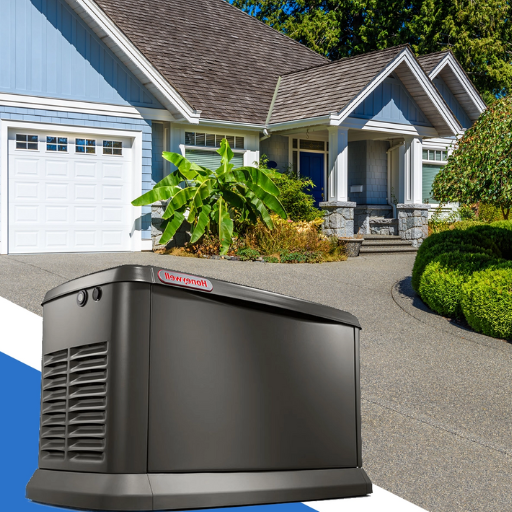
Credit: shgeneratorset.com
How Standby Generators Work
Standby generators start automaticallywhen the power goes out. They connect to your home’s electrical system. A sensor detects the outage and signals the generator to run. Once power returns, the generator stops on its own. This automatic operationensures your home stays powered without manual effort.
| Fuel Type | Details | Pros | Cons |
|---|---|---|---|
| Natural Gas | Supplied via underground pipes | Continuous supply, low cost | Requires gas line connection |
| Propane | Stored in tanks on-site | Clean burning, portable | Needs refilling, limited supply |
| Diesel | Stored in fuel tanks | Powerful, good for heavy loads | Loud, produces more emissions |
Continuous Running Capabilities
Standby generatorscan run for long periods, but they have limits. The manufacturer’s guidelinestell you how long the unit can safely operate without damage. Most brands suggest routine breaksto let the engine cool down and avoid wear.
Typical runtime limits vary by model. Some units can run up to 24 hours continuously, while others need breaks every 8 to 12 hours. Running too long without rest may cause overheatingor mechanical failure.
| Runtime | Recommended Break | Notes |
|---|---|---|
| Up to 8 hours | 15-30 minutes | Common for smaller models |
| 8 to 12 hours | 30 minutes to 1 hour | Medium-size generators |
| 12 to 24 hours | 1 hour or more | Heavy-duty units |
Checking the user manualis key. It helps avoid damage and keeps the generator running well.
Fuel Consumption And Efficiency
Fuel consumptiondepends on the generator’s size and load. Running a standby generator continuously uses more fuel than short bursts. Fuel costs can add up fast if the generator runs nonstop.
Smaller generators are often more fuel-efficientfor light loads. Larger generators consume more fuel but can handle bigger power needs. Efficiency drops if the generator runs at low load for long periods.
| Factor | Effect on Fuel Usage | Note |
|---|---|---|
| Generator Size | Larger size uses more fuel | Choose size based on power needs |
| Load Level | High load uses more fuel | Optimal load improves efficiency |
| Running Time | Longer time means more fuel | Continuous use increases costs |
Over time, efficiencycan drop. Parts wear out and need maintenance. Regular checks help keep fuel use low. Clean filters and fresh oil make a big difference.
Maintenance During Extended Use
Routine checks help keep the generator running smoothly for long hours. Check the fuel level often and refill if needed. Look for any leaks or loose parts. Keep the air filter clean to avoid engine problems. Test the battery and charging system regularly to ensure power supply.
Cooling and lubrication are key to prevent overheating and wear. Make sure the coolant level is enough and the radiator is clear. Use the right engine oil and change it as the manual says. Watch the oil pressure gauge to spot issues early. Clean the cooling fins and fans to keep airflow steady.
Safety Concerns With Long Operation
Running a standby generator for a long time can cause overheating. The engine and parts get very hot. This can lead to damageor even a fire. Generators need breaks to cool down.
Carbon monoxide is a dangerous gasmade by generators. It is colorlessand odorless. This gas can build up in closed areas and cause poisoningor death. Always use generators outdoors and far from doors or windows.
- Check the generator often during long use.
- Keep it well ventilated to avoid carbon monoxide build-up.
- Never run it inside homes, garages, or enclosed spaces.
- Turn off the generator if it feels too hot.
Best Practices For Continuous Use
Standby generators can run continuously but need careful monitoring. Monitoring systems track fuel levels, oil pressure, and engine temperature. These help prevent damageand ensure safe operation.
Scheduled downtime is vital. It allows the generator to cool downand receive maintenance. Running a generator without breaks may cause overheatingor mechanical failure.
- Use automatic monitoring systems for real-time alerts.
- Check fuel and oil levels daily.
- Plan regular breaks every 8-12 hours.
- Perform routine maintenance during downtime.
Alternative Solutions For Long Power Outages
Battery storage systemsstore energy for use during power outages. They can power small homes or critical devices for hours. Batteries are quiet and require less maintenance than generators. Solar panels can charge these batteries, making them eco-friendly. However, batteries may not run heavy appliances for long.
Using multiple generatorscan share the load during long outages. This setup allows one generator to rest while another runs. It helps prevent overheating and extends the life of each generator. Multiple units provide more power and flexibility. Proper connection and switching systems are needed to avoid damage.
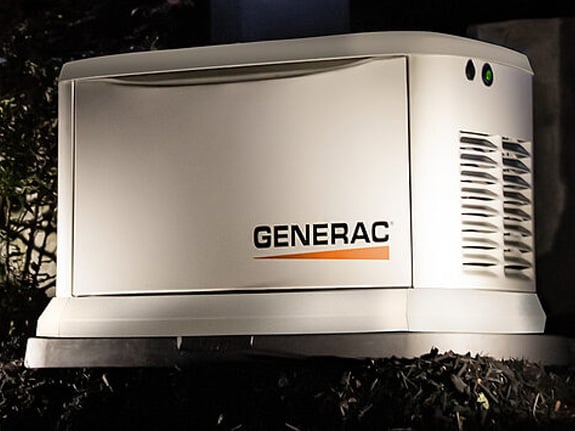
Credit: www.engineersupply.com
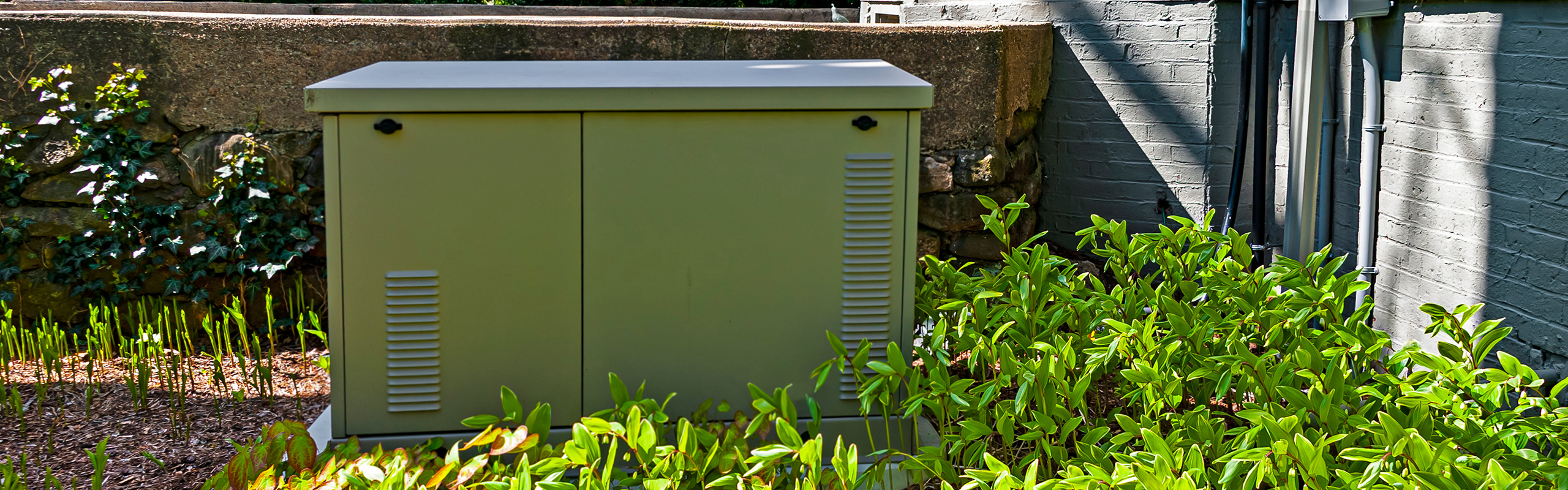
Credit: www.abt.com
Frequently Asked Questions
Can A Standby Generator Run Continuously Without Damage?
Yes, most standby generators can run continuously if properly maintained. However, regular servicing and fuel checks are essential to avoid wear and overheating.
How Long Can Standby Generators Run Non-stop?
Standby generators can run for 24 to 48 hours continuously with sufficient fuel and cooling. Extended use requires breaks and maintenance.
Is Continuous Operation Safe For Standby Generators?
Continuous operation is safe when the generator is designed for it and regularly inspected. Overloading or poor ventilation risks damage.
What Maintenance Is Needed For Running Standby Generators Continuously?
Regular oil changes, coolant level checks, and filter replacements are needed. Scheduled servicing prevents breakdowns during long runs.
Conclusion
Standby generators can run continuously, but need proper care. Regular maintenance ensures smooth operation and longevity. Choose a generator that matches your power needs. Monitor fuel levels to prevent interruptions. Generators provide reliability during power outages. They offer peace of mind and safety.
Always follow manufacturer guidelines for best results. Proper ventilation is crucial to avoid overheating. Invest in a quality generator for long-term benefits. A well-maintained generator serves as a dependable power source. Stay prepared and keep your home powered through any situation.