Imagine a sudden power outage in the middle of summer or a harsh winter day. Your HVAC system, crucial for comfort, suddenly goes silent.
You might wonder if a standby generator could save the day. Can standby generators run HVAC systems efficiently when you need them the most? Understanding this can mean the difference between facing extreme temperatures and enjoying a cozy home. Dive into the possibilities and challenges of pairing standby generators with your HVAC system.
Discover how you can keep your home comfortable and safe, even when the power grid lets you down. Keep reading to learn how to ensure your family’s comfort no matter what Mother Nature throws your way.
Standby Generators: Basics
Standby generators can power HVAC systems during outages, ensuring comfort and climate control. They provide reliable backup energy, keeping homes and businesses functioning smoothly. Proper generator sizing is crucial to support HVAC needs efficiently.
Types Of Standby Generators
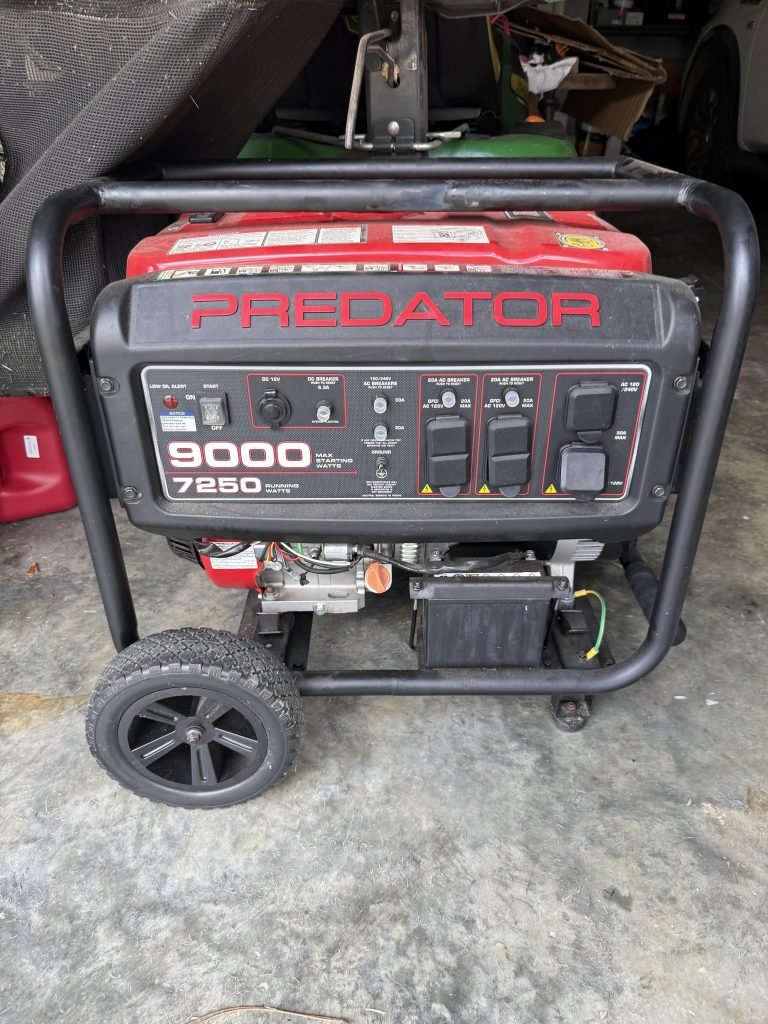
Standby generators are like big batteries for your house. They give power when the lights go out. There are two main types. Portable generators are small and easy to move. Permanent generators stay in one spot. Each type helps in different ways.
Power Output Capabilities
Standby generators have different power levels. Some can light up a whole house. Others are smaller and power just a few things. Always check how much power you need. More power means more devices can work. But it also means a bigger generator. It’s important to choose wisely.

Credit: www.reddit.com
Hvac Systems Overview
Standby generators can power HVAC systems during outages, ensuring comfort and safety. These generators supply electricity to run heating and cooling units efficiently. Proper sizing and installation are crucial for seamless operation.
Components Of Hvac Systems
HVAC systems have three main parts: heating, ventilation, and air conditioning. The heating part warms up the air. The ventilation part moves air around. The air conditioning part cools the air. Each part works together for comfort. A thermostat controls the temperature. Ducts carry air throughout the building. Filters clean the air, making it safe to breathe.
Energy Consumption Patterns
HVAC systems use a lot of energy. They are one of the biggest energy users in homes. When it’s hot, they use more energy to cool. When it’s cold, they use more to heat. Smart thermostats can help save energy. They adjust the temperature when nobody is home. Regular maintenance can also reduce energy use. Clean filters and ducts make the system work better.
Compatibility With Generators
Standby generators can efficiently power HVAC systems during outages. Ensure the generator’s capacity matches the HVAC unit’s requirements. Proper installation is crucial for optimal performance.
Power Requirements For Hvac
HVAC systems need a lot of power to run. They need around 3,500 to 5,000 watts. A generator must match this power need. Check your HVAC’s power label. It shows the exact watts needed. Some systems need more power during start-up. This means you need a generator with extra capacity. Always plan for this extra power load.
Generator Load Management
Managing your generator’s load is important. It ensures everything runs smoothly. Turn off non-essential devices when using HVAC. This helps balance the power load. Use a load management system. It helps distribute power wisely. Keep an eye on the generator’s performance. This prevents overloading and keeps things safe. Remember, a balanced load extends the generator’s life.
Efficiency Factors
Standby generators can power HVAC systems, ensuring comfort during power outages. Key factors include generator capacity and system efficiency. Proper sizing and maintenance enhance performance and reliability.
Fuel Consumption And Costs
Standby generators need fuel to work. They can use diesel, propane, or natural gas. The fuel type affects how much it costs to run. Diesel is often cheaper but can pollute more. Propane and natural gas are cleaner but might cost more. Fuel efficiency matters for long running times. Generators with low fuel use save money. Check the fuel consumption rates before buying.
Performance During Peak Loads
Standby generators must handle high electricity needs. This is called peak load. Good generators manage peak loads without problems. They provide steady power even when demand is high. It’s important to choose a generator with enough power capacity. This ensures your HVAC system runs smoothly. A strong generator keeps your home comfortable, even during high use times.
Installation Considerations
Standby generators can support HVAC systems, but proper sizing is crucial. Ensure the generator meets the energy needs of the HVAC unit. Consult a professional to evaluate power requirements and installation options.
Sizing The Generator
A generator must match the HVAC system’s power needs. This ensures it works well. Too small, and it won’t power everything. Too big, and it’s a waste of resources. Calculate the total power the HVAC system uses. Add a little extra for safety. This way, the generator can handle sudden power spikes. Always choose a generator with the right size for your needs.
Professional Installation Importance
Professionals know how to install generators safely. They make sure everything works well together. A wrong installation can cause problems. It might damage the HVAC system. Or the generator might not work properly. Experts know local rules and safety guidelines. They ensure the installation meets all standards. A professional job means peace of mind. It also ensures the system lasts longer.
Maintenance And Reliability
Standby generators can power HVAC systems, ensuring comfort during power outages. Compatibility depends on the generator’s capacity and the HVAC system’s requirements. Proper sizing and installation are crucial for efficient operation and reliability.
Routine Check-ups
Standby generators need regular check-ups. This keeps them running smoothly. Check oil and fuel levels often. Make sure filters are clean. Inspect wires and connections. Look for leaks or worn parts. Regular maintenance prevents breakdowns. It helps the generator last longer.
Troubleshooting Common Issues
Generators can have issues. Sometimes they won’t start. Check the battery first. Make sure it has power. Fuel problems are common too. Ensure the fuel supply is steady. Look at the air filter. If it’s dirty, clean or replace it. Cooling systems can fail. Watch for overheating. Keep the generator clean and clear of debris.
Cost-benefit Analysis
Determining if standby generators can run HVAC systems involves analyzing costs versus benefits. Consider generator capacity and HVAC power needs. Efficiently powering your HVAC with a generator can ensure comfort during outages.
Initial Investment Vs. Long-term Savings
The initial costof a standby generator can be high. Consider the size and brand. But over time, it can save money. Power outages can damage HVAC systems. Repairs and replacements can be expensive. Generators protect these systems. This reduces unexpected costs. Think of it as an insurance policy. It can pay off in the long run.
Environmental Impact
Standby generators use fuel. This can impact the environment. Diesel and gasoline emit fumes. These are not always clean. But newer models are better. They have eco-friendly options. Some use natural gas. This is cleaner than other fuels. Choosing wisely can help reduce harm. Consider the planet when buying.

Credit: www.reddit.com
Future Trends
Standby generators can efficiently power HVAC systems during outages. They ensure comfort by maintaining heating and cooling. With advancements, these generators are becoming more reliable and energy-efficient.
Advancements In Generator Technology
Generators are becoming more efficientand reliable. New models use less fuel. They also produce less noise. Some generators are now eco-friendly. They emit fewer pollutants. This helps the environment. New technology makes them smaller. Yet, they are still powerful. This means easier storage. And more space saved.
Integration With Smart Home Systems
Smart homes are the future. Generators can connect to these systems. This makes controlling power easier. You can manage energy from your phone. It’s simple and convenient. Smart systems provide alerts. They show when power is low. Or if there’s a problem. This keeps homes safe and powered.

Credit: vtoman.com
Frequently Asked Questions
Can I Run My Hvac On A Generator?
Yes, you can run your HVAC on a generator. Ensure the generator’s capacity matches your HVAC’s power requirements for safe operation. Use a transfer switch to prevent electrical issues. Always consult a professional for installation advice to ensure compatibility and efficiency.
Proper setup ensures your system runs smoothly during outages.
How Big Of A Generator Do I Need To Run A Hvac System?
To run an HVAC system, a generator typically needs 5,000 to 7,500 watts. Check your system’s specifications for exact requirements. Consider startup wattage, which is higher than running wattage. Choose a generator with a bit more power than calculated to ensure efficiency and safety.
What Are The Disadvantages Of A Standby Generator?
Standby generators can be costly to purchase and install. They require regular maintenance and fuel storage. Noise levels can be disruptive. They may not work during extended outages if fuel supply is interrupted. Installation space can be an issue in smaller properties.
Will A 5000 Watt Generator Run A Central Air System?
A 5000 watt generator might struggle to run a central air system. Central air units typically need 3500 to 6000 watts. Verify your system’s wattage requirements to ensure compatibility. Consider starting wattage and additional household demands for accurate generator sizing.
Conclusion
Standby generators can power HVAC systems effectively. They ensure comfort during power outages. Choosing the right generator size is crucial. It’s important to consult experts for proper installation. Always consider your specific power needs. Regular maintenance keeps generators running smoothly.
Safety precautions are also necessary. Generators offer peace of mind for homeowners. They provide a reliable backup solution. Investing in one can be wise for continuous comfort. Make informed decisions to suit your energy demands. This way, your HVAC system will stay operational when needed most.