Imagine you’re in the middle of a crucial power backup situation, relying on your trusty generator to keep things running smoothly. But there’s one question nagging at you: can you coil the generator cord while it’s in use?
This seemingly simple query might hold the key to ensuring both your safety and the longevity of your equipment. You might be tempted to tidy up those long, unwieldy cords, but what are the risks? Could your desire for neatness inadvertently lead to overheating or even an electrical hazard?
Your intuition might tell you one thing, but the facts could reveal another. We’ll delve into the science behind generator cords and their behavior when coiled during operation. By the end, you’ll have the clarity and confidence to make informed decisions, ensuring that you keep both your generator and your home safe. Don’t let uncertainty hold you back—let’s uncover the truth together.
Credit: www.amazon.com
Generator Cord Basics
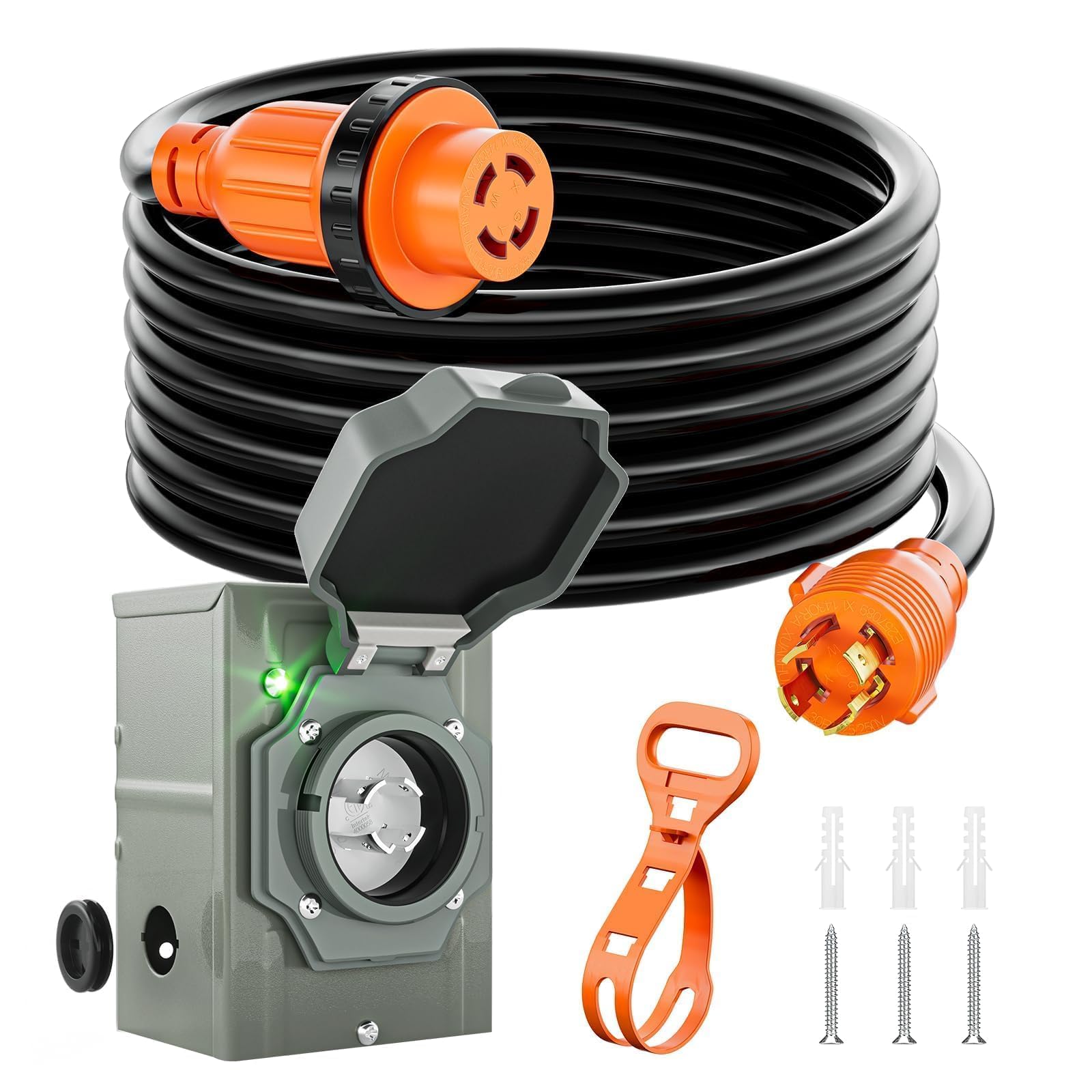
Generator cords help connect power from a generator to appliances. They come in different sizes and shapes. It’s important to pick the right cord for your needs. Using the wrong cord can be unsafe.
Types Of Generator Cords
Several types of cords are available for generators. Extension cordsare common and easy to find. Twist-lock cordsare great for keeping connections secure. Transfer switch cordsare useful for connecting to home systems. Each type has its own benefits.
Importance Of Proper Cord Use
Using cords properly ensures safety and efficiency. Do not coil cordswhile in use. Coiling can cause overheating or damage. Always lay cords flat when they are connected. Check for damage before using cords. Proper use helps prevent accidents and extends cord life.
Risks Of Coiling Cords
Coiling a generator cord while in use can create heat buildup and increase the risk of electrical hazards. Tightly coiled cords may lead to overheating, causing potential fire risks and damage to the equipment. Ensure cords are laid out flat during operation for safer use.
Potential Overheating
Coiling a generator cord can cause overheating. The heat gets trapped inside the coil. This can melt the wire insulation. It may even start a fire. Cords need to breathe to stay cool. A tightly wound cord can’t breathe. This is why coiling is risky. It’s safer to lay cords flat. Spread them out to stay cool.
Electrical Hazards
Coiled cords can create electrical hazards. They increase the risk of short circuits. A short circuit can damage the generator. It can also harm connected devices. Coiling puts extra stress on the cord. This weakens the wire over time. A weak wire can break easily. Always check cords for damage. Use cords safely to avoid shocks.
Safe Practices For Cord Management
Coiling a generator cord while in use can cause overheating and potential hazards. To ensure safety, keep cords uncoiled and away from flammable materials. Regularly check for damage and ensure proper ventilation to prevent accidents.
Maintaining Cord Tension
Keep the generator cord straight and avoid pulling too hard. This helps to prevent damage and ensures the electricity flows safely. Check the cord for twists and knots often. These can cause problems or even be dangerous. Make sure the cord is not too loose. A loose cord can get caught on things or tangled.
Avoiding Tight Coils
Do not wrap the cord tightly. Tight coils can make the cord overheat. Overheating can be dangerous. Lay the cord out in a straight line if possible. If you must coil it, use wide loops. Wide loops help keep the cord cool. Always check the cord for heat if coiled. If it feels hot, uncoil it right away.
Credit: www.vevor.com
Signs Of Cord Damage
Coiling a generator cord during use can lead to overheating and insulation damage. Watch for signs like melted insulation, exposed wires, or unusual heat along the cord. These indicate potential hazards and should be addressed immediately.
Visible Wear And Tear
Check for cuts or cracks on the cord surface. These are dangerous. Look for frayed or exposed wires. They can cause serious harm. Notice any discoloration or burns. This means heat damage. A damaged cord needs urgent replacement.
Performance Issues
Is the generator not working well? It might be the cord. Power loss can happen with a bad cord. Generator might stop running. This indicates cord trouble. Listen for strange noises. A damaged cord can cause these. Fixing the cord can solve problems. Always use a good cord for safety.
Alternatives To Coiling
Coiling a generator cord while in use can lead to overheating. Consider using cord organizers to keep it tidy. Alternatively, laying the cord in a zig-zag pattern reduces heat buildup and maintains safety.
Using Cord Reels
Cord reels keep cords tidy and safe. They prevent tangling and knotting. These reels are easy to use and reduce trip hazards. Simply wind the cord onto the reel. No more messy cords or damage risk. This makes for a neat workspace. Cord reels come in various sizes for different needs. Choose one that fits your generator cord.
Cord Organizers
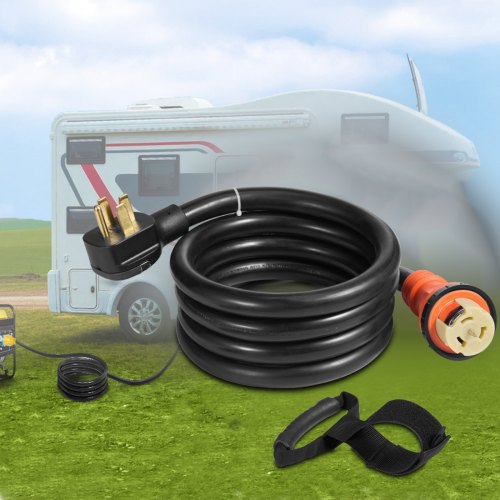
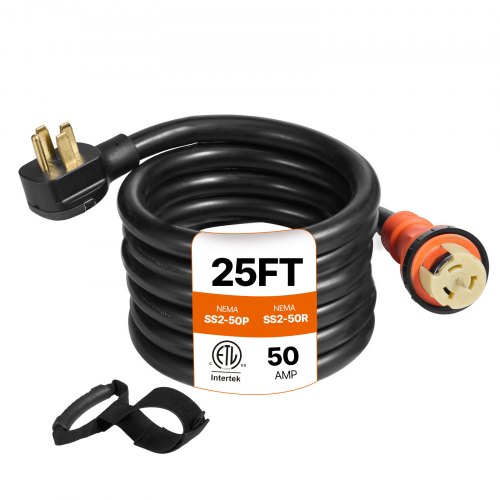
Cord organizers help manage cords effectively. They are simple tools to keep cords in order. Velcro straps or clips can hold cords together. This avoids tangles and keeps cords untangled. Organizers are easy to find and use. They are helpful for long cords. They make sure cords stay neat and accessible.
Credit: www.vevor.com
Emergency Measures
Coiling a generator cord while in use can cause overheating and damage. It’s important to keep cords uncoiled. This ensures proper air circulation and safety during operation.
Responding To Overheating
Generators can get hot quickly. Keep a close eye on them. Feel the cord with your hand. If it feels too warm, unplug it. Avoid coiling the cord tightly. It traps heat and can be dangerous. Let the generator cool down first. Check for any damages on the cord. Replace damaged cords immediately. Use a fan to cool the area. Ensure proper ventilation around the generator.
Handling Electrical Fires
If you see smoke, act fast. Turn off the generator immediately. Do not use water on electrical fires. Grab a fire extinguisher if you have one. Use it to control the fire. Call the fire department for help. Evacuate the area if the fire grows. Never ignore smoke or unusual smells. Stay safe and alert at all times. Check wires regularly to prevent fires.
Frequently Asked Questions
Is It Okay To Coil Cords?
Coiling cords is generally safe if done loosely to avoid damaging wires. Over-tight coiling can lead to overheating. Ensure cords are not pinched or kinked, and unwind before use. Use cord organizers or ties for better management and safety. Regularly check for wear to maintain functionality.
Can You Run A Refrigerator On An Extension Cord With A Generator?
Yes, you can use a generator with an extension cord for a refrigerator. Ensure the cord is heavy-duty and the generator provides adequate wattage. Check both the refrigerator and cord ratings to prevent overload. Using a short, high-quality extension cord is advisable for safety and efficiency.
How To Properly Coil A Cord?
To coil a cord properly, hold one end and create loops with the other. Alternate loop directions to prevent tangling. Keep loops consistent in size. Secure the coiled cord with ties or straps. Store in a dry place to maintain its condition.
Can You Coil An Extension Cord?
Yes, you can coil an extension cord to prevent tangling and damage. Use a loose figure-eight pattern to avoid kinks and knots. Ensure ends are accessible and not under tension. Proper coiling enhances storage and extends cord lifespan.
Conclusion
Coiling a generator cord during use can be risky. It may cause overheating. This can lead to damage or even fire. Always prioritize safety first. Keep cords straight and untangled while using them. Ensure proper ventilation around your generator. Regular checks on equipment help prevent accidents.
Using cords correctly extends their life. It also keeps your equipment safe. Remember, safe practices protect your home and loved ones. Stay informed and cautious when using generators. Your safety should always be the top priority.