
Imagine you’re setting up for a big outdoor event or gearing up for a camping trip, and you’ve got your trusty 50 amp generator ready to power everything up. But wait—your equipment only comes with a 30 amp cord.
A dilemma arises: can you safely use that 30 amp cord with your robust generator? This question can stir up a mix of curiosity and concern. You want to ensure everything runs smoothly, without risking any damage or safety hazards.
This article is here to guide you through this common conundrum, providing clear answers and practical solutions. By understanding the compatibility and potential risks, you’ll be equipped with the knowledge to make an informed decision. Dive in, and let’s unravel the mystery together, so you can enjoy your next adventure with peace of mind.
Understanding Amperage And Power Ratings
Amperage shows how much electricityflows in a wire. It is like water in a pipe. More amps mean more power. A 30 amp cordcan handle less power than a 50 amp cord. Never overload a cord. It can cause fires or damage.
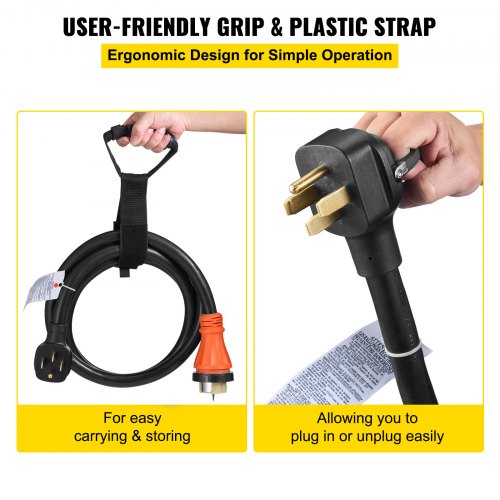
Generators have a power rating. This tells how much electricity they make. A 50 amp generator can make more power than a 30 amp cord can carry. Using a 30 amp cordwith a 50 amp generator can be risky. Check the cord and generator ratings. Make sure they match to avoid trouble.
Credit: www.vevor.com
Compatibility Of 30 Amp Cord With 50 Amp Generator
Using a 30 amp cord with a 50 amp generator can cause potential safety risks. The cord may overheat, leading to damage or fire hazards. Always ensure compatibility by using the correct amp-rated cord for your generator to avoid these risks.
A 30 amp cord connects with a 50 amp generator. But it can’t handle high power. The cord may heat and cause a fire risk. Generators supply more power than cords can take. Use the right cord for safety. Check the amp ratings before plugging in. Keep devices safe from electrical problems. Right cords keep homes and gadgets safe. Using a wrong cord brings problems. Overloading can damage appliances. The cord might melt or burn. Always match the cord’s amp with the generator. It avoids risks and keeps everyone safe. Ensure cords are in good condition. Damaged cords cause accidents. Regular checks prevent problems. Safety comes first with electricity. `Safety Considerations
Using a 30 amp cord with a 50 amp generator can be risky. The cord may overheat, posing a fire hazard. Always use the right cord to match the generator’s output.
Preventing Overload
Using a 30 amp cordwith a 50 amp generatorcan be risky. The cord might not handle the power. This can cause an overload. An overload can lead to firesor damage equipment. It’s important to check the cord’s rating. Make sure it matches the generator’s output. Always use cords that can handle the load.
Importance Of Proper Wiring
Proper wiring is crucial for safety. Incorrect wiring can cause serious problems. It may result in short circuitsor electrical shocks. Always ensure the wiring is done right. Use wires that match the power needs. Proper wiring keeps your devices safe. It also protects you from harm.
Using Adapters And Converters
Adapters and converters can help connect a 30 amp cord to a 50 amp generator. These tools ensure proper power transfer. Using them safely is key to avoiding electrical issues.
Types Of Adapters Available
Adapters connect different types of cords. 30 amp to 50 amp adapters are common. These adapters change power flow between cords. Converters might be needed for some devices. They adjust voltage levels to match the generator. Ensure the adapter fits your cord type.
Pros And Cons Of Using Adapters
- Pros:Adapters make cords compatible. They are easy to use. You can save money by avoiding new cords.
- Cons:Some adapters can overheat. They might reduce power efficiency. Not all adapters work with all devices.
Best Practices For Safe Usage
Using a 30 amp cord with a 50 amp generator requires caution to prevent damage. Ensure the cord is rated for the load to avoid overheating. Check connections regularly for safety.
Routine Inspection And Maintenance
Keep your generator in top shape with regular checks. Inspect the cords for wear or damage. Look for cracks or frayed wires. Test connections to ensure they are tight and secure. Clean the generator to remove dust and debris. This prevents overheating and keeps it running smoothly. Check fuel levels and replace old fuel. Lubricate moving parts to reduce friction. A well-maintained generator lasts longer and works better.
Guidelines For Safe Operation
Use the generator in a safe location. Keep it outdoors to avoid carbon monoxide buildup. Place it on a dry surface to prevent shocks. Never use wet hands to touch it. Use the correct cord for the generator’s amp rating. Avoid overloading the generator with too many appliances. Follow the manufacturer’s instructions for best results. Safety ensures the generator works well and protects everyone.

Credit: www.amazon.com
Alternatives To Using A 30 Amp Cord
Using a 30 amp cord with a 50 amp generator might cause overheating issues. Consider safer alternatives like using a 50 amp cord designed for higher power capacity. Proper cord selection ensures efficient and safe operation for your generator setup.
Upgrading To A 50 Amp Cord
Upgrading to a 50 amp cordis a smart choice. It allows more power to flow. This cord matches the generator’s capacity. No more worries about overheating. It is safer and more efficient. A 50 amp cord is easy to find. Many stores sell it. It may cost more, but it’s worth it. Your devices will work better with it. Always check the cord’s length. It should reach your power source easily. This upgrade is a good investment.
Choosing The Right Equipment
- Ensure the cord is compatiblewith your generator.
- Buy cords from trusted brands.
- Check the cord’s lengthand quality.
- Read reviews before purchasing.
- Avoid using damaged cords.
- Store cords properly to avoid damage.
Expert Recommendations
Using a 30 amp cord with a 50 amp generator can be risky. The cord might overheat and cause damage. Always consult a professional to ensure safety and compatibility.
Consulting With A Professional
Always ask an expert before using a 30 amp cordwith a 50 amp generator. They know the best options and safety rules. Many people make mistakes with cords. Incorrect choices can be dangerous. A professional can help choose the right cord for your generator. They will consider all safety measures. Experts ensure you use the right materials.
Common Mistakes To Avoid
Using the wrong cord can cause problems. Avoid these common mistakes:
- Never use a 30 amp cordfor a 50 amp generator.
- Do not ignore the generator’s power needs.
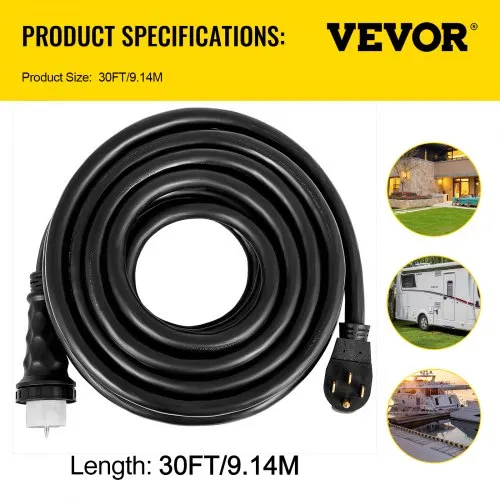
- Avoid using cords that are too longor too short.
- Always check for damageon cords.
- Do not use cords that are too thin.
Credit: www.vevor.com
Frequently Asked Questions
Can I Use A 30 Amp Cord On A 50 Amp Plug?
Using a 30 amp cord on a 50 amp plug is unsafe. It risks overheating and potential electrical hazards. Always match the cord and plug amperage ratings to prevent damage or fire risks. Ensure compatibility for safe and efficient electrical use.
Consult an electrician for guidance.
Can You Use The 50 Amp And 30 Amp Plug On A Generator At The Same Time?
Yes, you can use both the 50 amp and 30 amp plugs simultaneously on a generator. Ensure the generator’s total wattage capacity isn’t exceeded. Check the generator’s manual for specific usage instructions to prevent overload. Properly distribute load between the two outlets for safe operation.
Do I Need A 30 Amp Or 50 Amp Generator Cord?
Choose a 30 amp generator cord for devices with lower power needs. Opt for a 50 amp cord if you require more power for larger appliances or RVs. Always match the cord’s amperage to your generator’s outlet and your equipment’s power requirements for safe and efficient operation.
Can I Plug My 30 Amp Rv Cord Into A 50 Amp Power Pedestal?
Yes, you can plug a 30 amp RV cord into a 50 amp power pedestal. Use a 50-to-30 amp adapter. Ensure your RV’s electrical system is compatible. Check for any potential issues with power distribution to avoid overloading your RV’s electrical system.
Conclusion
Using a 30 amp cord with a 50 amp generator can be risky. Mismatched cords may cause overheating or damage. Always prioritize safety when connecting electrical equipment. Ensure your cords and connectors match the generator’s requirements. This prevents potential hazards.
Consult a professional if unsure about compatibility. Invest in the right equipment for peace of mind. Proper matching ensures efficient power use. It also protects your devices from harm. Safety should always come first with electrical connections. Make informed choices to ensure reliable and safe operations.
Stay safe and power your devices wisely.