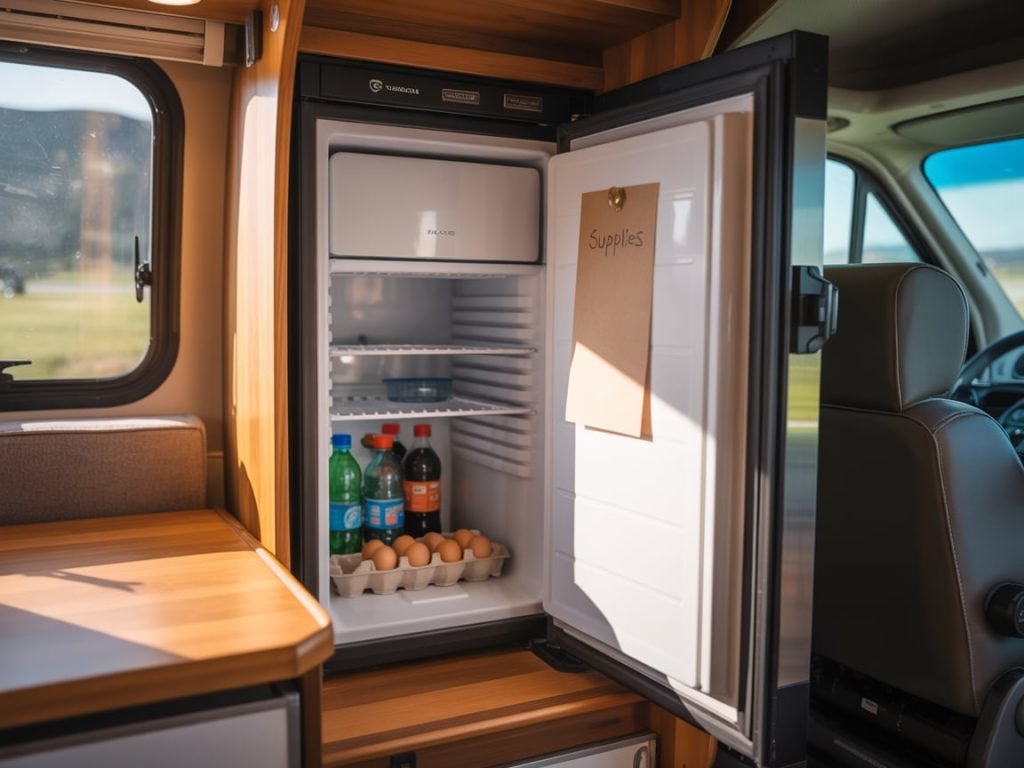
Imagine having the freedom to power essential appliances in your home without relying solely on the traditional grid. What if you could run your refrigerator using an indoor power station?
This possibility is not just a futuristic dream; it’s an exciting reality that could transform how you think about energy independence. You might be wondering whether your indoor power station can handle the demands of a refrigerator. This article will explore exactly that.
You’ll discover the practicalities, the benefits, and the potential challenges. Keep reading to uncover how you can make the most of your indoor power station and ensure your refrigerator keeps its cool, even during unexpected power outages.
Indoor Power Stations Explained
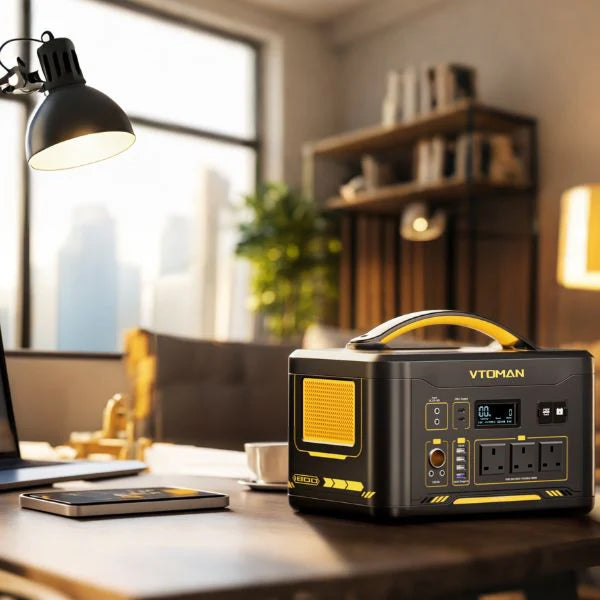
Indoor power stations are handy for home use. They come in different types. Some use batterieswhile others use solar panels. Battery-powered ones are portable. Solar-powered ones need sunlight. Both can power small devices. Choose based on your needs and space.
Indoor power stations have unique features. They have multiple outletsfor devices. Some have USB ports for charging. Look for capacityin watt-hours. Higher capacity means more power. Check for charging time. Faster charging saves time. Some stations have LCD screensto show battery status. It’s important for monitoring usage.
Credit: uk.vtoman.com
Refrigerator Energy Requirements
Running a refrigerator on an indoor power station is possible with the right energy capacity. Ensure the power station provides sufficient wattage to handle the refrigerator’s startup and continuous power needs. Efficient power management can keep your fridge running smoothly indoors.
Power Consumption Of Refrigerators
Refrigerators need electricity to keep food cold. Most fridges use 100 to 800 watts. Smaller fridges use less power. Bigger ones need more. Energy-efficient models save electricity. Check the label for energy usage. It tells you how much power it uses yearly. A fridge must run all day. This means it needs power all the time.Factors Affecting Energy Use
Several factors change how much energy a fridge uses. Size matters a lot. Bigger fridges use more power. Age is another factor. Older fridges are less efficient. Temperature settings can also affect energy use. Setting it too cold uses more power. Opening the door often lets cold air out. This makes the fridge work harder. A fridge full of food keeps cold better. Less empty space means less work for the fridge. `Compatibility Assessment
A refrigerator needs a lot of power to run. Check the power needs of your refrigerator. Look at the label on the back. It tells you the watts it uses. Most small refrigerators need around 100 to 200 watts. Bigger ones need more. Now, check your indoor power station. How many watts can it give? This number is important. It must be more than the refrigerator needs.
See how long your power station can last. It depends on its battery size. A small power station might work for a few hours. A bigger one lasts longer. If your power station is 1000 watt-hours, it can run a 100-watt fridge for 10 hours. But check the specs to be sure. Some power stations have extra features. They can show how much power is left. This helps in planning. Keep these things in mind for a smooth experience.
Testing The Setup
Testing the setup involves checking if an indoor power station can run a refrigerator. Ensure the power station’s output matches the refrigerator’s energy needs for optimal performance.
Setting Up The Connection
Connect the refrigerator plug to the power station. Ensure the power station is switched on. Check if the refrigerator light turns on. This means it’s getting power. Use a power cable that fits well. Avoid loose connections. Ensure the cable isn’t damaged. A damaged cable can be dangerous. Place the power station in a safe spot. Keep it away from water. Water can harm the power station. Make sure the power station has enough charge.
Monitoring Performance
Check the refrigerator every hour. Ensure it stays cold inside. Listen for strange sounds. Strange sounds can mean trouble. Feel the power station surface. It should be cool. A hot surface is bad. Check the power level regularly. Keep an eye on battery percentage. If it drops fast, there’s a problem. Use a power meter if possible. Note any changes in temperature. Keep a record of all tests.
Pros And Cons
Power stations are portable and easy to use. They can power many devices, even a refrigerator. This is helpful during a power outage. They are quiet and don’t make noise like generators. Using power stations is safe and clean. There are no harmful fumes or gas emissions. They are also environmentally friendly.
Power stations have limited power capacity. They might not run a refrigerator for long. They need time to recharge after use. Sometimes, they are expensive to buy. Not all power stations are suitable for big appliances. You need to check the power output first. Also, they are not as strong as gas generators.

Credit: www.jackery.com
Real-world Applications
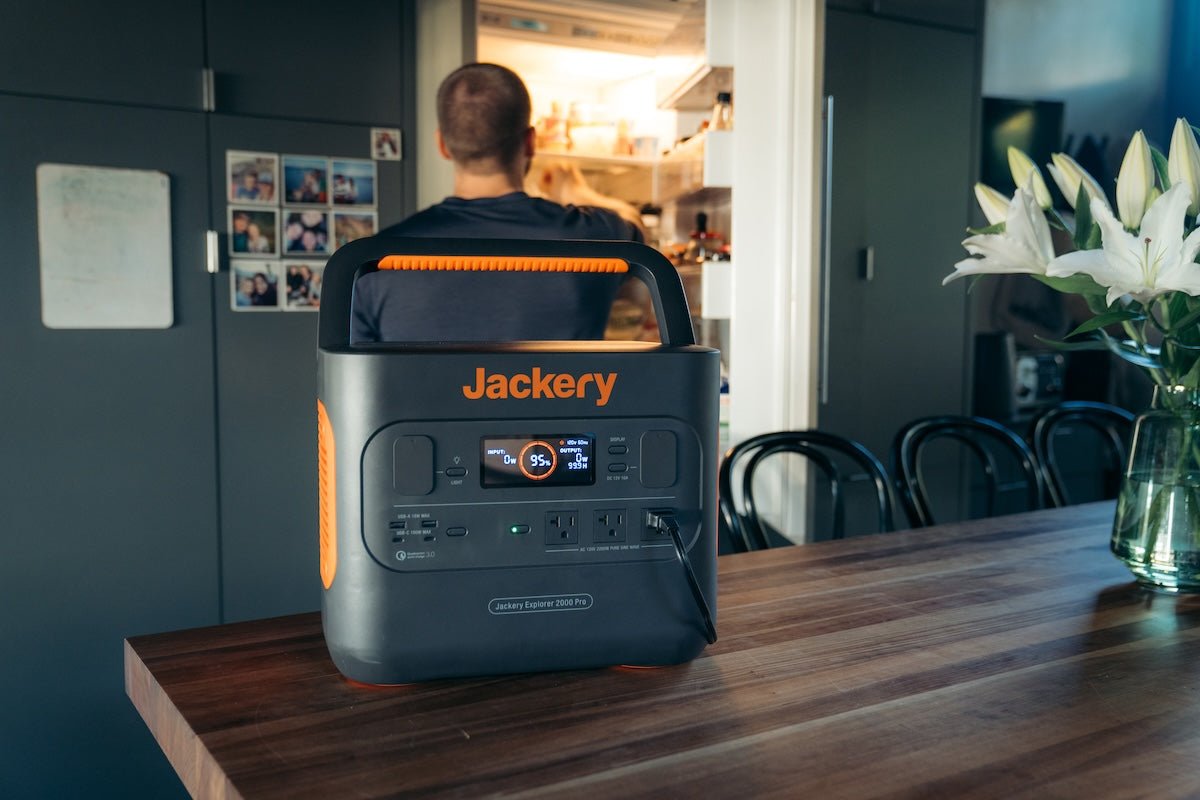
Running a refrigerator on an indoor power station is possible with the right equipment. Portable power stations offer a convenient solution for emergencies or outdoor activities. Ensure the power station’s capacity matches the refrigerator’s energy needs for optimal performance.
Emergency Situations
Power stationshelp during blackouts. They keep fridges runningto save food. They provide electricity for lightsand phones. It’s handy when storms hit. Families can stay safe indoors. No need to worry about spoiled food. They offer a reliable backup.
Off-grid Living And Camping
Campers love portable power stations. They can enjoy fresh foodanywhere. It’s perfect for off-grid homes. People can live without traditional power. They use the station for small appliances. It’s eco-friendly and simple. Enjoy nature with ease. Stay connected while exploring new places. Life off-grid is more fun.
Future Of Indoor Power Stations
Indoor power stations are getting better every year. They use new technologies to work more efficiently. Some can store more energy and last longer. This means they can power more devices, like a refrigerator. Engineers are making these power stations smaller and lighter. This makes them easy to carry and use anywhere.
Smart technology is being added to control them with a phone. This helps people manage energy better. These advancements make indoor power stations more useful for everyone.
The market for indoor power stations is growing fast. More people want portable energy solutions for their homes. Innovations are making these devices more affordable. Companies are competing to offer the best features. They focus on safety and reliability.
Some new models use solar power to charge. This helps users save money on electricity bills. These trends show a bright future for indoor power stations. They will become an important part of many homes.
Credit: www.jackery.com
Frequently Asked Questions
What Size Portable Power Station Will Run A Refrigerator?
A portable power station with at least 500-700 watts can run a standard refrigerator. Check your refrigerator’s wattage for accuracy. Consider higher capacity for longer runtime.
How Long Will A Jackery 1000 Run A Full-size Refrigerator?
A Jackery 1000 can power a full-size refrigerator for about 7-10 hours. The exact duration depends on the fridge’s energy consumption. Always check the refrigerator’s wattage and compare it to Jackery’s capacity. This ensures optimal usage and efficiency, prolonging the battery life during outages or camping trips.
How To Keep A Fridge Running During A Power Outage?
Use a generator to power your fridge during outages. Keep the door closed to maintain cold air. Store ice packs inside to help keep food cool. Consider a backup battery system for longer outages.
Can A 2000w Power Station Run A Refrigerator?
Yes, a 2000W power station can run most refrigerators. Check your refrigerator’s wattage before connecting. Ensure the power station’s capacity matches the refrigerator’s startup and running watts. This helps prevent overload and ensures efficient operation.
Conclusion
Running a refrigerator on an indoor power station is possible. It requires knowing the refrigerator’s power needs. Choose the right power station capacity. Check the wattage before making decisions. This ensures efficient performance and long-lasting use. Always prioritize safety when using power stations indoors.
Evaluate your needs carefully. Make informed choices for best results. Remember to recharge the station regularly. This keeps your refrigerator running smoothly. Invest in a reliable power station. It brings convenience and peace of mind. Perfect for emergencies or off-grid living.