Imagine you’re in the middle of a project, ready to weld, but you’re far from a power source. You might wonder if you can run your welder using a generator extension cord.
This question isn’t just about convenience; it’s about safety, efficiency, and getting the job done right. Have you ever found yourself staring at the tangled cords, unsure if your setup will work? You’re not alone. Many people have faced this dilemma, and the solution isn’t always straightforward.
Understanding the compatibility between your welder and generator extension cord is crucial. It could mean the difference between a successful project and equipment damage. Dive into this article to uncover the essentials that will empower you to make informed decisions. Your next welding task could be a breeze if you know the right way to connect your tools. Let’s explore this topic and ensure your equipment works seamlessly together.
Choosing The Right Generator
Choosing the right generator is crucial for safely running a welder on an extension cord. Ensure the generator’s power capacity matches the welder’s requirements to prevent any power fluctuations or equipment damage.
Power Requirements
Understand the power needs of your welder. Check the wattage it requires. Most welders need 240 volts. Ensure the generator provides enough power output. Smaller generators might not be sufficient. Match the generator’s power to the welder’s need.
Generator Types
Generators come in different types. Inverter generators are quiet and efficient. They provide clean power for sensitive equipment. Conventional generators are more powerful. They can handle heavy loads. Choose the type that fits your welding tasks best. Consider fuel type and noise level too.
Selecting The Correct Extension Cord
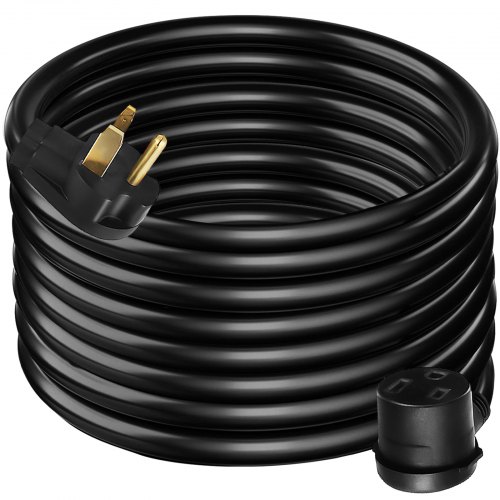
Running a welder on a generator extension cord requires careful selection. Ensure the cord matches the welder’s power needs and length requirements. Opt for heavy-duty cords with adequate gauge to handle the load safely.
Cord Gauge And Length
The cord gauge is very important for safety. A lower number means a thicker wire. Thicker wires carry more electricity. This is good for a welder. The cord length also matters. A longer cord can lose power. It’s best to use a short cord when possible. Choose a cord that is both thick and short. This keeps your welder working well.
Cord Material And Insulation
Cord material affects its strength. Rubber cords are strong and flexible. Vinyl cords are less flexible but resist oil and water. Insulation keeps the cord safe. It stops electricity from leaking out. Good insulation is important to prevent accidents. Always check the cord for cuts or damage. A damaged cord is not safe to use.
Safety Precautions
Running a welder on a generator extension cord requires careful safety precautions. Ensure the cord is rated for the welder’s power needs. Check for damage or wear to prevent electrical hazards and potential accidents.
Avoiding Overloads
Generatorscan be very powerful. But they have limits too. Use a generator extension cordthat matches the power of your welder. Check the cord’s rating. It should handle the welder’s power. Keep an eye on the load. Don’t plug in too many devices. This stops the generator from working too hard. If it works too hard, it might break. Or it could stop working. This is called an overload.
Fire Hazard Prevention
Fire safetyis very important with generators. Keep the extension cord dry. Water and electricity are not friends. Never use a damaged cord. Sparks can start fires. Make sure your cords are in good shape. Keep them away from sharp edges. Also, keep flammable items away. This includes paper and cloth. If a spark flies, these can catch fire easily. Always be careful and stay safe.

Credit: www.amazon.com
Proper Connection Techniques
Running a welder on a generator extension cord requires proper connection techniques. Ensure the cord is heavy-duty and can handle the welder’s power. Choose a cord with the correct amperage rating to prevent overheating and ensure safe operation.
Plug And Socket Compatibility
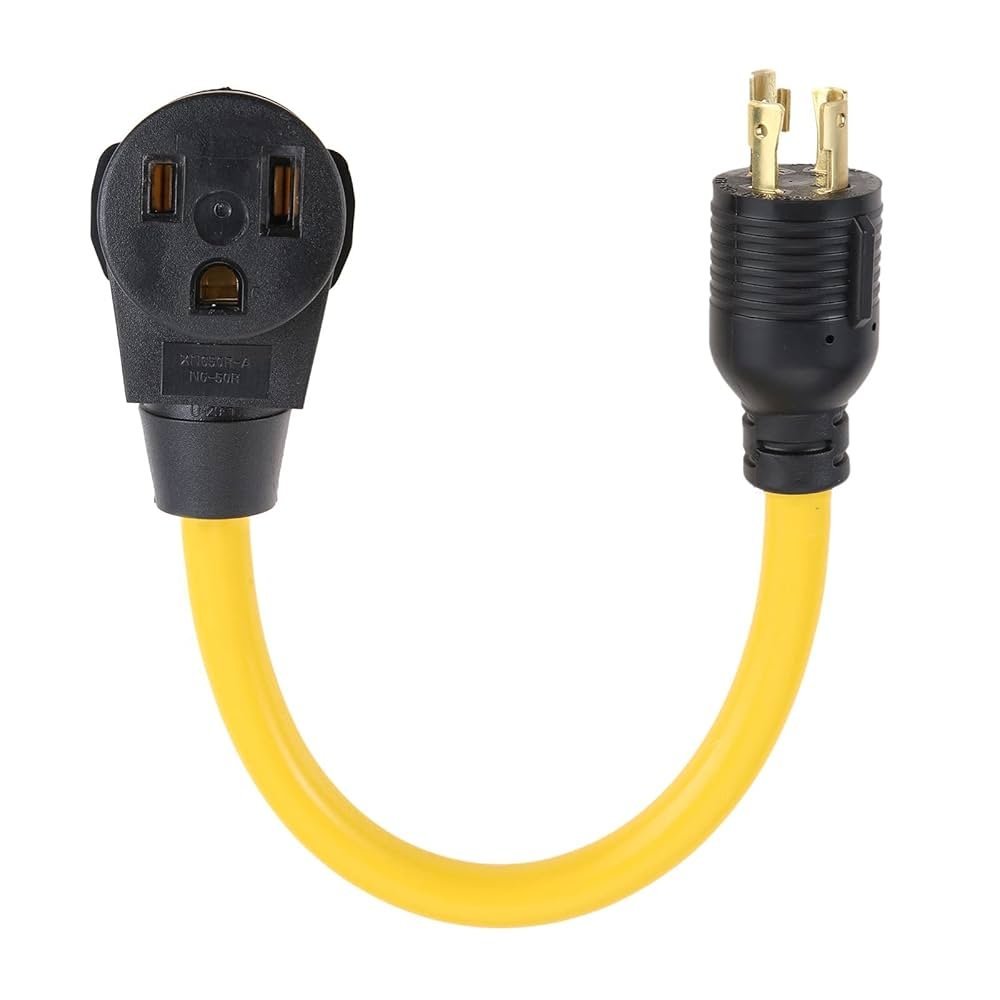
Ensure the plugmatches the socketsize. The generator’s plug must fit snugly. A loose fit can cause sparks. Check the voltageand amperageratings. They must match your welder’s needs. Use an adapterif needed. But ensure it’s safe and rated correctly. Avoid using damaged or worn-out cords. They can cause accidents or damage equipment.
Securing Connections
Secure connections are crucial for safety. Use twist-lockplugs if available. They prevent accidental disconnections. Inspect the cord for any damage. Replace if there are cuts or frays. Keep all connections dryand away from water. Ensure the cord is not tangledor stretched. This helps prevent overheating. Always follow the manufacturer’sinstructions for safe operation.
Maintenance And Inspection
Running a welder on a generator extension cord requires careful maintenance and inspection. Check the cord’s capacity to handle the welder’s power needs. Ensure connections are secure and free from damage to avoid safety hazards.
Regular Check-ups
Regular check-ups keep your generator extension cord safe. Look for frayed wires or damaged plugs. These can cause dangerous accidents. Ensure the cord is not tangled or kinked. This can make it wear out faster. Always store the cord neatly coiled. A clean cord works better and lasts longer.
Signs Of Wear And Tear
Check for cracks or splits in the cord’s insulation. These are signs of wear and tear. Feel the cord for any lumps or bumps. These might show internal damage. Look at the plug prongs. They should be straight and not bent. If you see discoloration, it might be overheating. Replace damaged cords right away. A healthy cord keeps you safe and sound.
Credit: www.vevor.com
Troubleshooting Common Issues
Running a welder on a generator extension cord requires checking the cord’s capacity. Ensure the cord can handle the welder’s power load to prevent overheating. Proper setup is crucial for safe and efficient operation.
Voltage Drop Problems
Voltage dropcan cause problems when using a welder with a generator extension cord. It happens when electricity travels through long cords. The welder might not work properly. Use a thicker cord to reduce voltage drop. Shorten the cord length if possible. Check connections are tight and clean. Dirty or loose connections can increase voltage drop. Test voltage at the welder to ensure it gets enough power.
Intermittent Power Loss
Power loss can occur when connections are unstable. Extension cords can sometimes cause intermittent power loss `
Expert Recommendations
Running a welder on a generator extension cord requires careful consideration. Ensure the cord’s gauge matches the welder’s power needs. Using a heavy-duty extension cord helps prevent overheating and voltage drops.
Professional Advice
Using a welderwith a generator extension cordrequires care. Experts suggest using cords that are heavy-dutyand have the right length. Check the amp ratingof the cord. It must match your welder’s needs. Use cords with thick insulationto prevent overheating. Always follow the manufacturer’s guidelinesfor safety.
Common Mistakes To Avoid
- Using a cord that’s too long.
- Choosing a cord with low amp rating.
- Ignoring the insulation quality.
- Not checking the compatibilitywith the welder.

Credit: www.amazon.com
Frequently Asked Questions
Can I Run A Welder On An Extension Cord?
Yes, you can run a welder on an extension cord. Choose a heavy-duty cord with the correct gauge. Ensure the cord’s length and amperage rating match your welder’s requirements to avoid overheating. Always prioritize safety and consult the welder’s manual for specific recommendations.
Is It Okay To Run A Welder Off A Generator?
Yes, you can run a welder off a generator. Ensure the generator matches the welder’s power requirements. Choose a generator with stable voltage output to avoid equipment damage. Regular maintenance of both devices is crucial for safety and efficiency. Consider consulting the welder’s manual for specific generator compatibility recommendations.
What Gauge Extension Cord Do I Need For A Welder?
Choose a 10-gauge extension cord for welders drawing up to 30 amps. For higher amperage, opt for 8-gauge. Ensure the cord matches the welder’s power requirements and length to prevent voltage drop and maintain efficiency. Always prioritize safety by using cords rated for outdoor use.
What Watt Generator Do You Need To Run A Welder?
Choose a generator with at least 5,000 watts to run a welder effectively. Ensure it matches the welder’s voltage and amperage requirements. Check your welder’s specifications for exact needs. Higher wattage provides more reliable performance, especially for larger welders. Always consider future power needs and potential equipment upgrades.
Conclusion
Running a welder on a generator extension cord is possible. Choose the right cord for safety. Check the welder’s power needs first. Match them with the generator’s capacity. Use a heavy-duty extension cord. This prevents overheating and power loss. Be mindful of the cord’s length too.
Longer cords may reduce power. Always prioritize safety and efficiency. With the right setup, welding becomes easier. Make informed decisions for optimal performance. Enjoy a seamless welding experience.