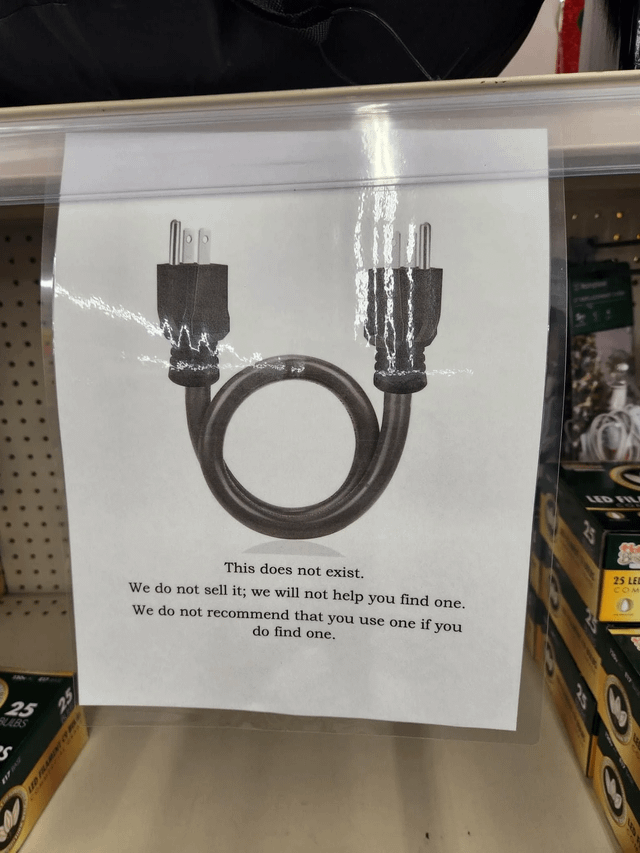
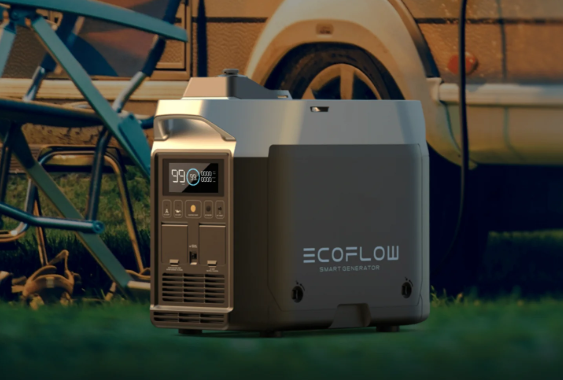
Imagine you’re in the midst of a power outage, and your trusty generator is your lifeline. But what if your generator is far from where you need power?
You might be wondering if you can run an extension cord underground to solve this problem. You’re not alone. Many people face this dilemma and the answer isn’t as straightforward as you might think. Understanding the right way to use extension cords can be crucial for your safety and the functionality of your equipment.
As you dive into this article, you’ll uncover essential tips and insights that could save you from costly mistakes. Stay with us to ensure you’re making the smartest choices for your setup.

Credit: www.instagram.com
Safety Considerations
Running an extension cord underground has risks. Water can damage the cord. Animals might chew through the cable. Sharp rocks can cut the insulation. The cord might overheat, causing fires. Tripping hazards occur if cords aren’t buried deep. Electric shock risk increases if the cord is damaged. Cords must be rated for outdoor use. Use proper tools to dig trenches. Protective tubing can guard against damage.
Follow local codes for safety. Check if underground cords are allowed. Ensure cords meet national standards. Permits may be required before digging. Use approved materials for safety. Inspect cords for damage regularly. Certified electricians should install extension cords underground. Keep cords away from water sources. Ensure cords are weather-resistant. Check cords’ voltage rating matches the generator.
Types Of Extension Cords
Running an extension cord underground from a generator requires special cords designed for outdoor use. These cords must be durable and weather-resistant to prevent damage. Always ensure they are properly insulated to avoid electrical hazards.
Indoor Vs. Outdoor Cords
Indoor cords are for inside use only. They are not strong against rain. Outdoor cords are thicker and stronger. They can handle bad weather. Always choose the right cord for your needs. Indoor cords are usually shorter and less durable. Outdoor cords can be used in the rain and sun. Make sure to pick wisely.
Weather-resistant Options
Weather-resistant cords are special. They are made to withstand rain and sun. These cords last longer outside. They are perfect for gardens and yards. Look for cords labeled “weather-resistant.” They are safer in wet conditions. Using these cords helps prevent accidents. Always keep safety in mind.
Preparation Steps
Pick a spot that’s safe and away from water. Ensure the area is free from foot traffic. Check for any underground cables nearby. Avoid areas with heavy machinery. Safety is the top priority here.
Ensure the soil is not too hard or rocky. Soft soil is easier to dig. Wet soil can be slippery and dangerous. Avoid clay soil as it can be sticky. Test a small area first.
Credit: www.ecoflow.com
Installation Techniques
Digging trenches is essential for running an extension cord underground. Begin by marking the path for the trench. Make sure the trench is deep enough. This helps protect the extension cord. Keep the trench straight to avoid damage. Ensure no sharp objects are in the trench. They can harm the cord.
Conduit is used to protect the extension cord underground. It acts like a shield. Choose a conduit that fits the cord size. Ensure the conduit is waterproof. This keeps the cord safe from moisture. Make sure it’s strong and durable. It should resist impacts and pressure. Seal the ends to prevent water entry.
Maintenance Tips
Running an extension cord underground from a generator requires careful planning. Use weatherproof cords designed for outdoor use to ensure safety. Properly bury the cord in a conduit to protect it from damage.
Regular Inspections
Regular checks keep extension cords safe and working well. Look for cracks, tears, and burn marks. Check if the plug is secure. A loose plug can cause sparks or fire. Always inspect the cord before and after use. Clean the cord with a soft, dry cloth. Remove any dirt or debris. Clean cords last longer and work better.
Repairing Damaged Cords
Fixing damaged cords is important for safety. Use electrical tape for small cuts or tears. For larger damage, replace the cord. Never use a damaged cord. It can cause shocks or fires. Unplug the cord before fixing it. Keep repair kits handy for quick fixes. Remember, safety first!
Alternatives To Extension Cords
Running an extension cord underground from a generator poses safety risks. Consider direct burial cables or conduit systems. These options offer safer and more durable solutions for underground power needs.
Permanent Wiring Solutions
Permanent wiring provides a safe option for power. It involves installing wires underground. These wires connect directly to the generator. Licensed electricians should handle this task. They ensure all safety rules are followed. This option is reliable and lasts long. It’s ideal for homes needing constant power. It prevents any accidental wire damage. Permanent wiring keeps the yard neat and tidy. It avoids the clutter of cords on the ground.
Solar-powered Options
Solar power is a great eco-friendly choice. It uses sunlight to generate power. Solar panels can be set up in the yard. They collect sunlight and convert it into electricity. This power can be stored in batteries. Solar power reduces reliance on generators. It’s perfect for sunny areas. It keeps the environment clean. Solar panels need less maintenance than cords. They offer a renewable energy source.

Credit: www.facebook.com
Frequently Asked Questions
Can I Run An Extension Cord From A Generator To My House?
Running an extension cord from a generator to your house is not recommended. Use a transfer switch for safety. Extension cords can pose fire risks and damage appliances. Always prioritize safe connections to prevent electrical hazards.
Can You Run An Extension Cord Under Ground?
Running an extension cord underground is not safe or recommended. Use a direct burial-rated wire instead. This ensures safety and compliance with electrical codes. Always consult a professional electrician for proper underground installations to avoid hazards and ensure longevity.
Do I Need To Ground My Generator When Using An Extension Cord?
You don’t need to ground your generator when using an extension cord. Ensure the generator is correctly set up. Follow the manufacturer’s guidelines to ensure safety. Proper grounding is crucial for fixed installations or when advised by the manual. Always prioritize safety and consult the instructions for specific grounding requirements.
What Kind Of Extension Cord Should I Use With A Generator?
Use a heavy-duty extension cord rated for outdoor use with a generator. Ensure it matches the generator’s wattage and has a thick gauge, preferably 10-12 AWG. Select cords with three prongs for grounding. Look for cords labeled “generator cord” or “UL-listed” for safety and reliability.
Conclusion
Running an extension cord underground from a generator is complex. Safety remains the top priority. Choose cords designed for outdoor use. Protect them with proper conduit. Avoid water contact and ensure a dry environment. Consult professionals for advice on electrical installations.
Following guidelines ensures safety and efficiency. Always prioritize preventing hazards. Make informed decisions for peace of mind. Your safety and equipment’s longevity depend on it. With careful planning, you can achieve a safe setup. Keep your power needs met without compromising safety.
Stay informed and cautious. Your efforts will ensure reliable power and safety.