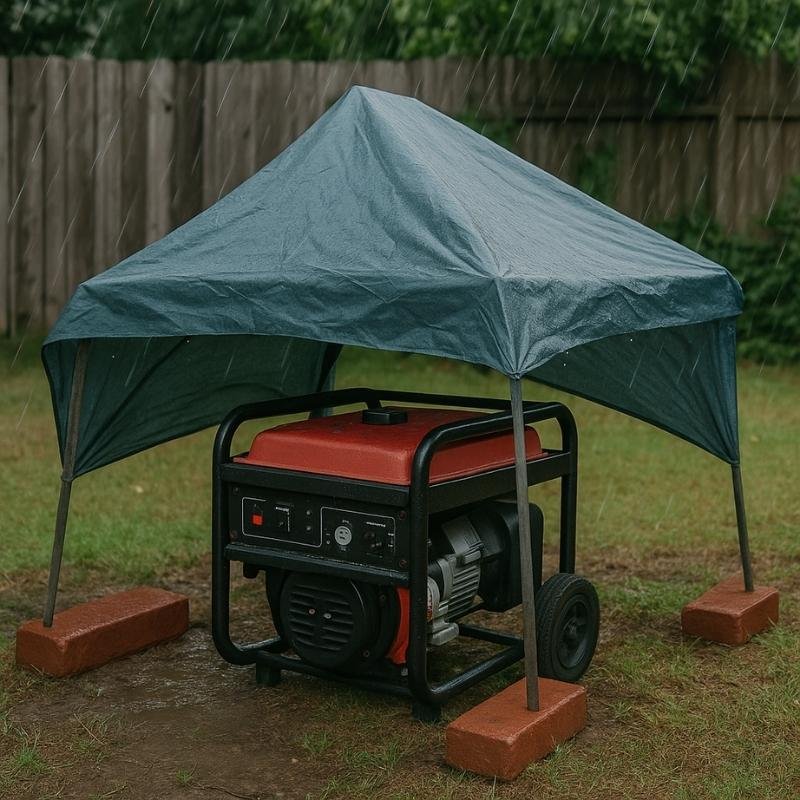
Imagine this: a storm is approaching, and you’re relying on your trusty generator to keep the lights on and your appliances running. But protecting your generator from the elements becomes a priority, and you’re wondering if a simple tarp might do the trick.
You’re not alone in this thought. Many homeowners and outdoor enthusiasts have pondered the same question: “Can you use a tarp as a generator cover? ” In the following article, you’ll discover the ins and outs of using a tarp to safeguard your generator.
We’ll dive into the potential benefits and hidden pitfalls that could impact your generator’s performance and longevity. You’ll learn practical tips and expert insights that can help you make the best decision for your specific needs. Curious about how a tarp measures up against other cover options? Ready to ensure your generator stays in top shape no matter the weather? Keep reading, because the answers might surprise you.
Benefits Of Using A Tarp For Generator Protection
A tarp can be a strong shield for your generator. It protects against rain and snow. Wind can’t easily damage it. The tarp keeps dust and dirt away. This helps the generator last longer. Sun’s heat won’t harm it too.
Tarps are cheap and easy to find. You can buy them in many places. No special store is needed. Just visit a local shop or online. They fit well over most generators. This makes them a great choice for many. Protecting your generator doesn’t need a high cost.

Credit: www.reddit.com
Choosing The Right Tarp Material
Using a tarp as a generator cover can be effective. Choose durable, waterproof materials like polyethylene or vinyl. Ensure proper ventilation to prevent overheating.
Durability And Strength
A strong tarp is crucial. It protects the generator from damage. Polyethylene tarps are known for their toughness. They resist tearing and last longer. Vinyl tarps are another choice. They offer good durability too. A tarp’s strength helps in harsh weather. Always check the thickness. Thicker tarps usually mean more strength. Avoid weak tarps for heavy-duty tasks.
Waterproof Features
Keeping the generator dry is important. Waterproof tarps prevent water from reaching it. Polyethylene tarps are often waterproof. They block rain effectively. Vinyl tarps also keep water away. Make sure to cover all parts. Water can damage a generator quickly. Look for tarps with sealed seams. Sealed seams stop water from seeping through. A waterproof tarp is a smart choice.
How To Properly Install A Tarp Over A Generator
Using a tarp as a generator cover is possible with careful installation. Ensure the tarp is securely fastened to prevent movement. Maintain proper ventilation to avoid overheating and ensure safe operation.
Securing The Tarp
Use strong ropes or bungee cords to tie the tarp. Wrap them around the generator for a snug fit. Make sure the tarp is tight and won’t flap in the wind. This keeps the generator dry and safe from rain. Check that the tarp covers all sides of the generator. Avoid leaving any part exposed. This ensures complete protection.
Ensuring Adequate Ventilation
Leave some space for air to flow. This prevents the generator from overheating. Cut small holes near the bottom of the tarp. These holes let hot air escape. Make sure the holes are not too big. They should not let rain in. Position the tarp so it doesn’t block vents on the generator. This keeps air moving freely.

Credit: www.reddit.com
Safety Precautions To Consider
Ensure the tarp is fire-resistant to prevent accidents. Secure it properly to avoid flapping in the wind. Maintain adequate ventilation to prevent overheating and allow exhaust to escape.
Avoiding Overheating
A tarp can trap heat around the generator. Generators need air to cool down. Too much heat can be dangerous. Make sure there’s enough space for air. Keep the tarp loose around the generator. Check the temperature regularly. If it gets too hot, remove the tarp. This helps the generator stay cool.
Preventing Electrical Hazards
Electricity and water don’t mix well. A tarp can keep water out. Make sure the tarp covers all parts. Keep wires dry and safe. Check for holes in the tarp. Fix any rips right away. Use a tarp that’s strong and waterproof. This stops water from reaching the generator. Safety first always!
Alternative Generator Covers
Using a tarp as a generator cover can be a quick solution. It provides basic protection against rain and dust. Ensure proper ventilation to prevent overheating.
Custom Covers
Custom covers are made to fit your generator perfectly. They protect from rain, snow, and dirt. You can choose colors and materials. This makes them a popular choice. Custom covers are durable and long-lasting. They are designed for specific generator models. This ensures a snug fit and maximum protection.
Enclosures And Shelters
Enclosures and shelters offer a sturdy option for generator protection. They can be made from wood or metal. These structures keep the generator safe from bad weather. They are often built with ventilation. This prevents overheating and ensures the generator runs smoothly. Shelters can be fixed or portable. They provide excellent protection year-round.

Credit: customskirting.com
Maintenance Tips For Tarp Covers
Using a tarp as a generator cover is possible, but ensure proper ventilation to avoid overheating. Regularly check for tears and secure the tarp tightly to protect against weather elements.
Regular Inspections
Check your tarp cover often for tears and wear. This keeps your generator safe. Look for holes, rips, and weak spots. These can let in water and dirt. Fix small problems right away. This helps your tarp last longer. Use patch kitsto mend holes. A strong tarp gives better protection.
Cleaning And Storage
Wash your tarp with water and mild soap. This removes dirt and grime. Let it dry completely before storing. A wet tarp can grow mold. Store it in a cool, dry place. Fold it neatly to avoid wrinkles. Wrinkles can weaken the material. Keep it away from sharp objects. This prevents accidental damage.
Frequently Asked Questions
Can I Cover My Generator With A Tarp?
Yes, you can cover your generator with a tarp. Ensure it’s elevated for ventilation and protection. Keep it dry, but avoid enclosing it completely to prevent overheating. Always follow the manufacturer’s guidelines for safe covering practices.
How Do You Cover A Generator When It’s Raining?
Use a durable, waterproof generator cover. Ensure proper ventilation to prevent overheating. Elevate the generator on a dry surface. Avoid enclosing it completely. Secure the cover tightly to withstand wind. Regularly check for water pooling. These measures protect your generator during rain, maintaining its performance and longevity.
Does A Generator Need To Be Covered While Running?
Generators should be covered to protect from weather, but ensure ventilation to avoid overheating. Use a specially designed cover. Proper coverage prevents damage while allowing air circulation, ensuring safe operation. Avoid enclosing completely to prevent exhaust buildup, which can be hazardous.
Always follow manufacturer guidelines for safe usage.
Is It Okay To Enclose A Generator?
Enclosing a generator is okay with proper ventilation and safety measures. Ensure air circulation and prevent exhaust buildup. Use soundproofing materials to minimize noise while maintaining accessibility for maintenance. Prioritize safety by following manufacturer guidelines and local regulations to avoid hazards.
Conclusion
Using a tarp as a generator cover can be useful. It provides protection from rain and debris. But ensure proper ventilation to prevent overheating. Choose a durable tarp for long-lasting use. Secure it well to withstand strong winds. Check for any wear or damage regularly.
A tarp is an affordable solution for temporary protection. Always prioritize safety and follow the manufacturer’s guidelines. Keep your generator dry and safe to ensure smooth operation. With proper care, your generator stays ready. Protect it wisely with the right tarp choice.