Imagine you’re out camping or hiking, and your phone’s battery is running low. You’ve got a solar power bank on hand, but the sky is overcast.
You might wonder, “Will this thing even work? ” Solar power banks are fantastic tools for harnessing the sun’s energy, but cloudy days can leave you questioning their reliability. You’re not alone in wondering about this. Many people share the same curiosity and concern.
When it comes to ensuring your devices stay charged, understanding how solar power banks perform in less-than-ideal weather is crucial. You want to know if you can rely on them when the sun isn’t shining brightly. This article will dive into the workings of solar power banks on cloudy days, giving you the insights you need to make informed choices. You’ll discover surprising facts and tips that could transform how you use and trust your solar power bank. Keep reading, and let’s unravel the mystery behind solar power banks and their efficiency on cloudy days. Your next adventure depends on it!
Solar Power Banks: Basics
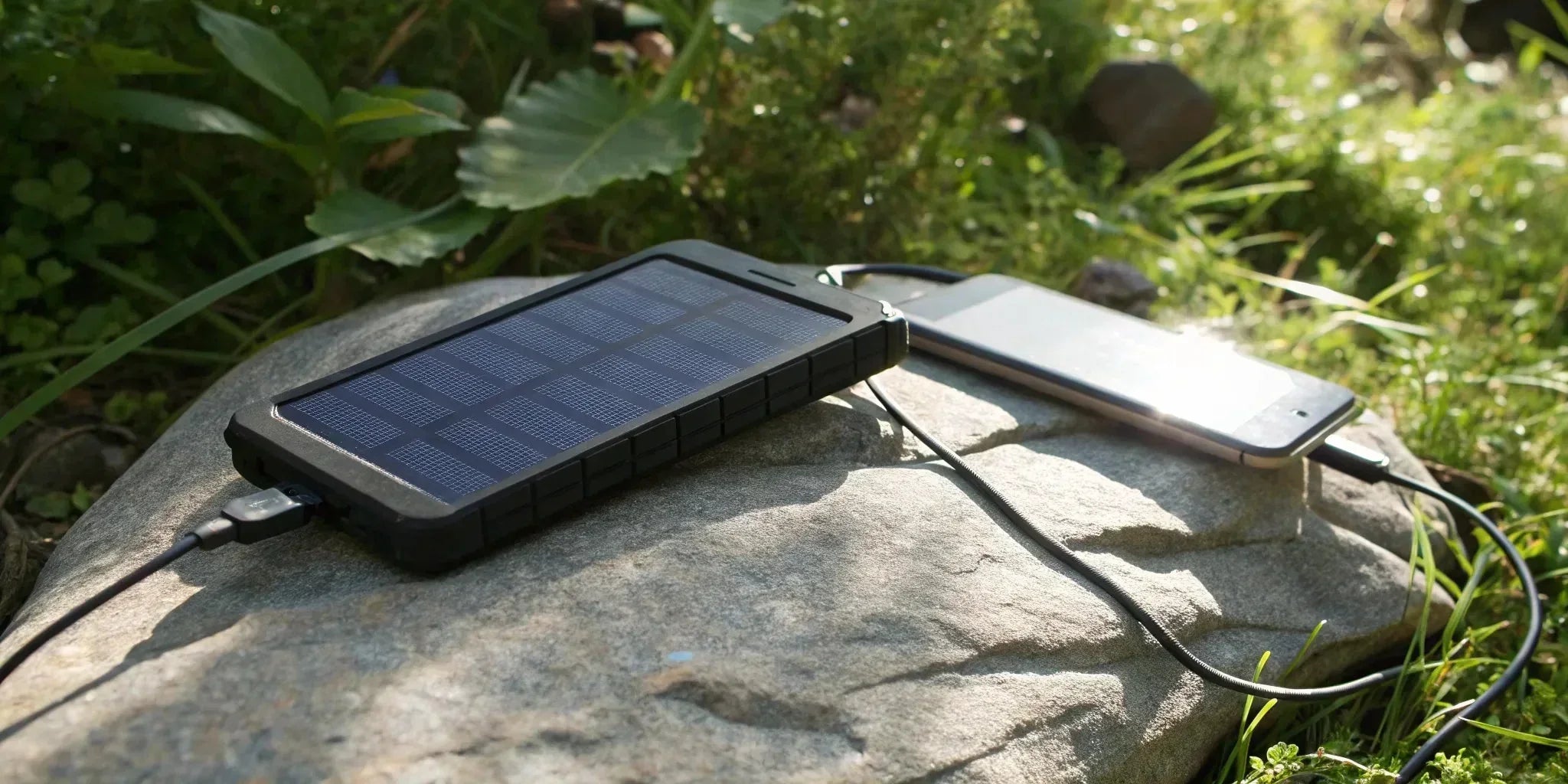
Solar power banks use sunlight to charge devices. They have solar panels that capture light. This light turns into energy. Inside, batteries store this energy. Later, it powers phones or tablets. They work best on sunny days. Cloudy days can slow charging. But, they still gather some light.
- Solar Panels: These capture sunlight and convert it into energy.
- Batteries: Store energy for later use.
- USB Ports: Connect devices to charge.
- LED Indicators: Show battery level and charging status.

Credit: www.instagram.com
Weather Impact On Solar Charging
Solar power banks work even on cloudy days. But, their efficiency drops. The clouds block some sunlight. Less sunlight means less energy for charging. Solar panels need sunlight to generate power. Cloudy weather reduces the power output. Energy is still collected, just at a slower rate.
| Weather Condition | Solar Efficiency |
|---|---|
| Sunny Days | High Efficiency |
| Cloudy Days | Lower Efficiency |
On sunny days, solar power banks charge quickly. On cloudy days, charging takes longer. It’s good to have a backup plan. Keep your devices charged in advance.
Solar Power Bank Technology
Solar power banks can work on cloudy days but charge slower. They rely on sunlight, which is weaker when cloudy. Efficiency varies by model, but most can still gather some energy.
Advancements In Solar Panel Technology
Solar power banks have improved a lot. New solar panels are more efficient than before. They can capture more sunlight even on cloudy days. Thin-film technology helps in better light absorption. This means more energy can be stored. The panels are also lighter and flexible. This makes them easy to carry around. Higher efficiency panels mean more power for your gadgets.
Adaptive Features For Varying Weather
Solar power banks now come with smart technology. They can adjust to different weather conditions. These banks store energy even when the sun is not out. Automatic adjustments help in saving more energy on cloudy days. Some models have built-in battery backups. They provide power even when sunlight is low. LED indicators show when the bank is charging. This helps users know the battery status easily.
Case Studies And User Experiences
Solar power banks do work on cloudy days, but with reduced efficiency. Energy is stored from sunlight, even with less brightness. Case studies show that while charging is slower, devices still receive power, ensuring usability during overcast conditions.
Real-world Testing Results
Solar power banks do work on cloudy days. Their performance may vary. Some users report slower charging speeds. Others find them effective enough. Testing shows that efficiency drops by 25% on cloudy days. The energy is still usable. Optimal sunlight is not necessary. Power banks store energy for later use. They can still charge devices.
Testimonials From Users
User experiences are mixed. Jane says her solar bank charges her phone. Even on cloudy days, it’s reliable. Tom finds it slower but usable. Anna loves her solar bank’s portability. Mark uses it for camping trips. He finds it dependable. They all appreciate the eco-friendly aspect. Solar banks help reduce electricity use.
Alternatives And Backup Solutions
Solar power banks can charge on cloudy days, but at a slower rate. Reduced sunlight affects their efficiency, requiring longer charging times. Consider alternative backup options like portable chargers for consistent power access in varying weather conditions.
Hybrid Charging Options
Hybrid charging combines solar and electric power. This option is very useful. Sunny days help charge with solar energy. Cloudy days might need electric power. Many power banks offer this feature. Users get more reliability and flexibility. Energy sources switch automatically based on weather. This ensures devices stay charged. Hybrid options are great for travelers and campers. They offer peace of mind.
Portable Power Solutions
Portable power solutions include power banks and small generators. These devices are easy to carry. They fit in bags or backpacks. Some power banks use rechargeable batteries. They store energy for later use. Small generators can be solar or fuel-based. They provide backup power when needed. Camping trips and road trips benefit from these solutions. They ensure gadgets never run out of power. Portable solutions are handy in emergencies too.
Credit: keutek.com
Evaluating Performance And Reliability
Solar power banks can charge on cloudy days, but with reduced efficiency. Limited sunlight affects their charging speed and capacity. It’s essential to manage expectations for energy output in overcast conditions.
Criteria For Assessing Solar Power Banks
Solar power banks use sunlight to charge. They are useful on sunny days. Performance is key to their success. They work less on cloudy days. Some power banks store extra energy. This helps on cloudy days. Efficiency matters a lot. Check how fast they charge. Also, check how much power they store. Durability is important too. You want one that lasts long. Choose wisely for best results.
Long-term Reliability Considerations
Solar power banks should last many years. Quality materials help them survive. Weather can affect them. Rain and heat can be tough. Look for water-resistant options. Battery life is another factor. It needs to hold charge well. Read reviews from other users. Their experiences can guide you. Warranty offers peace of mind. It covers defects and issues. A strong warranty shows trust in the product.

Credit: www.instagram.com
Frequently Asked Questions
Do Solar Chargers Work When It’s Cloudy?
Yes, solar chargers work on cloudy days but with reduced efficiency. They generate less power due to limited sunlight. Consider using larger panels to improve performance in cloudy conditions. Keep panels clean and angle them properly to maximize energy absorption.
Can You Still Get Solar Power On Cloudy Days?
Solar panels can generate power on cloudy days. They produce less energy due to reduced sunlight. Modern panels are efficient and still capture diffuse light, ensuring some electricity generation. Solar energy remains viable even in less sunny conditions, contributing to sustainable power solutions.
How To Charge A Solar Power Bank Without Sun?
Use a USB charger to charge the solar power bank indoors. Connect it to a wall outlet or computer. This method ensures efficient charging without sunlight. Always use the provided cable for optimal results. Keep your device in a cool, dry place while charging to maintain battery health.
How Many Watts On A Cloudy Day?
Solar panels generate around 10-25% of their maximum capacity on cloudy days. Efficiency depends on cloud density and panel quality. Even under cloud cover, panels can produce significant energy using diffuse sunlight. High-efficiency panels perform better in low-light conditions, ensuring energy generation doesn’t drop drastically during overcast weather.
Conclusion
Solar power banks can work on cloudy days. They may not charge as fast. But they still capture some sunlight. This can be enough for basic needs. Always check the specifications of your device. Some models perform better in low light.
It’s wise to have a backup plan. Like a traditional power bank. This ensures you have power when needed. Cloudy days don’t mean zero charge. Just slower and less efficient. Keep these points in mind. Your solar power bank can still be a useful tool.