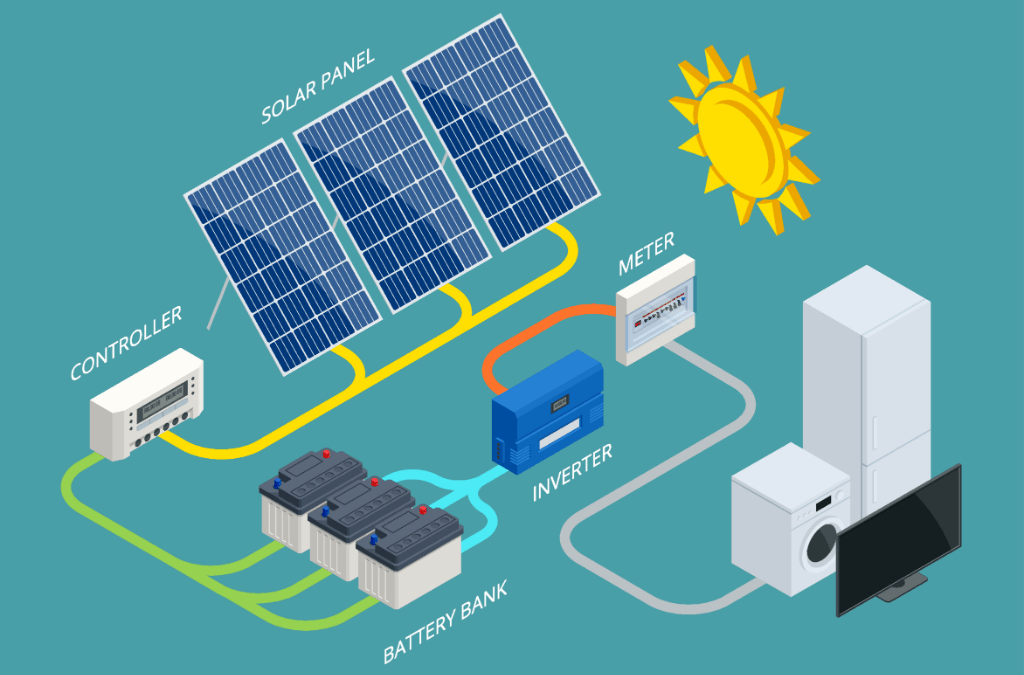
Imagine being outdoors, far from any electrical outlet, and your phone battery is dying. You might feel a bit anxious, right?
This is where solar power banks come in as your reliable energy solution. These clever gadgets harness the sun’s energy to keep your devices charged, no matter where you are. You might be wondering, how do solar power banks actually work?
Understanding their operation can empower you to make smarter choices for your energy needs. Dive into this article to discover the simple yet fascinating science behind solar power banks, and learn how they can become your go-to tool for staying connected and powered up on the go.
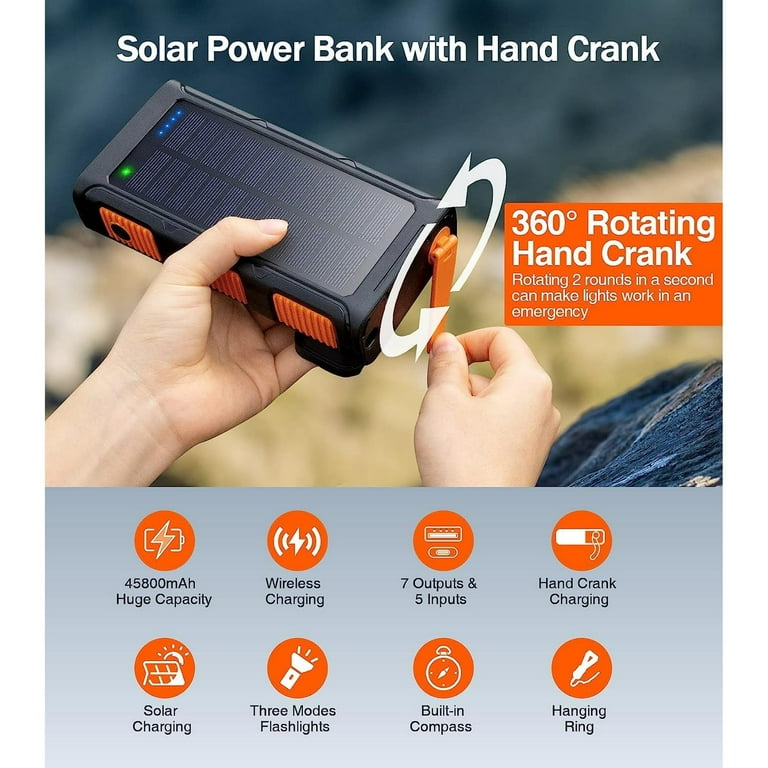
Credit: www.walmart.com
Solar Power Bank Basics
Solar power banks use sunlight to charge. They have solar panelson top. These panels catch sunlight and turn it into electricity. The electricity is stored in a batteryinside the power bank. You can use this stored power to charge your devices.
Most solar power banks have USB ports. You connect your device to these ports with a cable. Some power banks also have LED indicators. These lights show how much power is left. Remember, charging with sunlight can be slow. It’s best to charge the power bank with sunlight over a long time.
Solar power banks are great for outdoor adventures. They help when there’s no electricity nearby. Just place the power bank in the sun. It will start charging on its own.
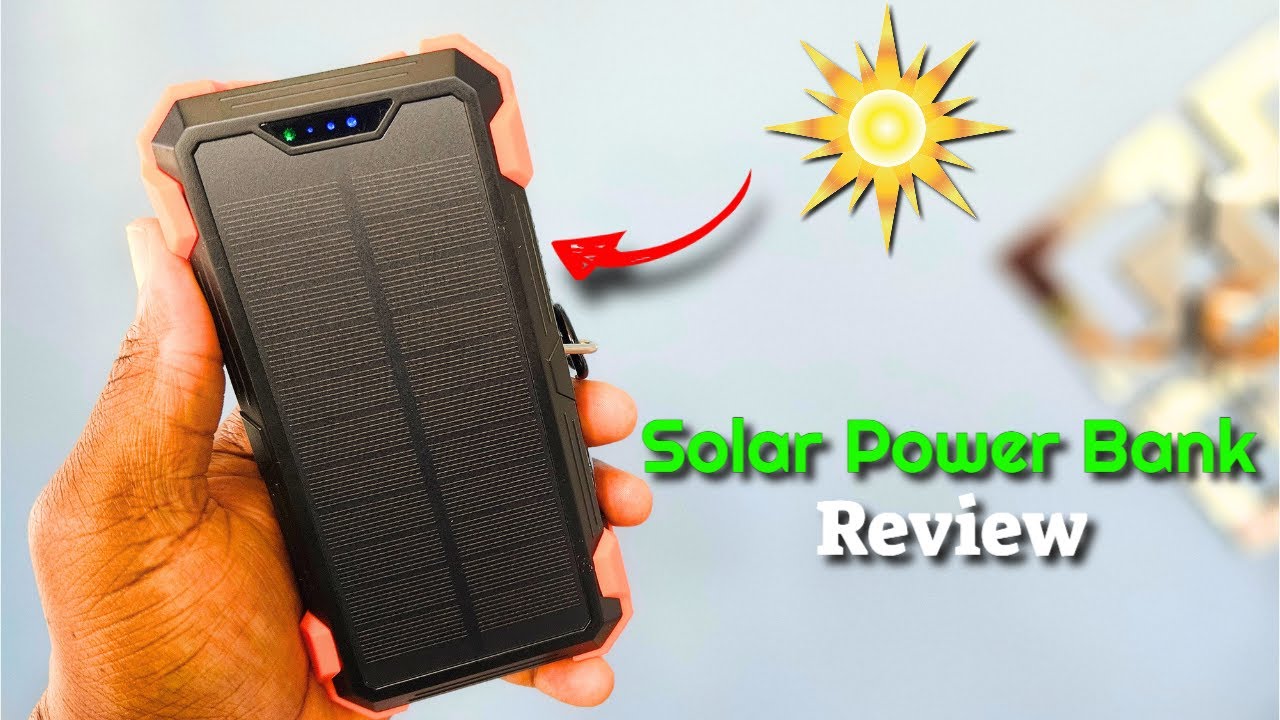
Credit: www.youtube.com
Components Of A Solar Power Bank
Solar power banks convert sunlight into electricity using solar panels. They store this energy in built-in batteries. USB ports then allow charging of devices, providing power on the go.
Harnessing Solar Energy
Solar power banks use photovoltaic cellsto capture sunlight. These cells are like tiny solar panels. They convert sunlight into electricity. The more sunlight they get, the more energy they produce. This energy is then stored in a battery inside the power bank. The battery keeps the energy until you need it. It’s a simple and clean way to get power.
Sunlight hits the photovoltaic cells. These cells turn sunlight into electrical power. This power flows into a battery inside the power bank. The power bank stores the energy. You can use it later to charge your devices. It’s like a natural battery charger. Just leave it in the sun to recharge!
Charging Mechanisms
Solar power banks use the sun to charge. They have special panels. These panels collect sunlight. The sunlight turns into power. Solar panels are the key parts. They need direct sun to work best. On cloudy days, charging is slow. Keep the panels clean and dry. Dirt can block sunlight. A full charge may take several hours. This depends on the sun’s strength.
USB charging is fast and easy. Use a USB cable. Plug it into a wall socket. Connect the other end to the power bank. This method charges faster than solar. You can charge at night or indoors. USB charging is reliable when there’s no sun. Make sure the cable is in good condition. A damaged cable charges slowly. Always use a compatible cable.
Advantages Of Solar Power Banks
Solar power banks convert sunlight into energy, providing a sustainable way to charge devices. They store energy in built-in batteries, ensuring device charging even without sunlight.
Eco-friendly Energy
Solar power banks use the sun’s energy. This energy is clean and renewable. They reduce carbon footprints. No harmful emissions are produced. Nature stays protected. Using solar energy helps the planet.Portability And Convenience
Solar power banks are easy to carry. They fit in bags or pockets. You can use them anywhere. No need for power outlets. Camping or hiking becomes easier. Devices stay charged on trips. They provide power in emergencies.Cost Efficiency
After buying, sunlight is free. No need to pay for electricity. Solar power banks save money over time. They can charge many devices. One-time purchase, long-term benefits. They are a wise investment. `Challenges And Limitations
Solar power banks face challenges like limited sunlight availability and slower charging speeds compared to traditional chargers. Weather conditions can affect their efficiency, and high initial costs may deter some users. Despite these limitations, they offer an eco-friendly solution for portable energy needs.
Weather Dependency
Solar power banks need sunlight to charge. Cloudy days make charging slow. Rainy days are even worse. Always keep them in sunlight for best results. They work best in sunny places.
Charging Speed
Solar charging can be slow. Regular chargers are faster. It takes many hours to fully charge a solar power bank. Sunlight strength affects charging speed.
Battery Capacity
Solar power banks have limited capacity. They can’t store as much as regular power banks. Use them for small devices like phones. Large devices need more power.
Choosing The Right Solar Power Bank
Solar power banks convert sunlight into electricity using solar panels. They store this energy in batteries for later use. Efficient charging depends on sunlight exposure and panel quality.
Capacity And Size
Solar power banks come in different sizes. Capacity tells how much energy it can store. Higher capacity means more charging power. Size matters for portability. Smaller banks are easier to carry. Pick a size that fits your needs. A larger capacity is better for longer trips.
Durability And Design
Durability is important for outdoor use. Rugged designs can withstand drops and bumps. Some have waterproof features. This helps in rainy conditions. Design should be user-friendly. Look for easy-to-read screens. Buttons should be simple to use.
Additional Features
- Some have built-in lights. Great for camping trips.
- Multiple charging ports are useful. Charge several devices at once.
- Fast charging features save time. Look for efficient technology.
Future Of Solar Power Banks
Solar power banks harness energy from the sun using photovoltaic cells. These cells convert sunlight into electricity, storing it in a battery for later use. As technology advances, these devices may become more efficient and portable, offering reliable energy solutions for various needs.
Technological Innovations
Solar power banks are getting better every day. New technology is making them charge faster. Solar panels are becoming more efficient. They can turn sunlight into energy quickly. Batteries are also improving. They can store more energy now. This means you can use your devices longer. Some power banks are waterproof. This makes them great for outdoor use. There are even foldable solar panels. They are easy to carry anywhere.
Market Trends
Many people are buying solar power banks now. Eco-friendly products are very popular. They help the earth by using clean energy. Prices are coming down too. This makes solar power banks more affordable. People love using them on trips. They are perfect for camping. Some brands are famous for their quality. These brands are trusted by users worldwide. Solar power banks are here to stay. They are part of a brighter future.
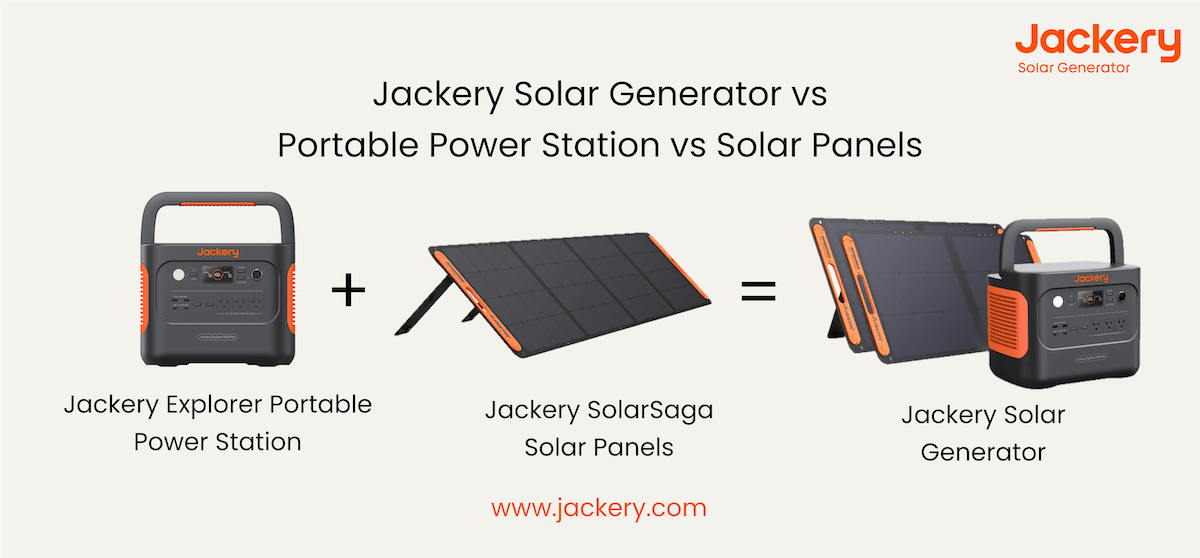
Credit: www.jackery.com
Frequently Asked Questions
What Is The Disadvantage Of A Solar Power Bank?
Solar power banks charge slowly in low sunlight and can be unreliable during cloudy weather. They’re bulkier and heavier than regular power banks. Limited battery capacity restricts their usage for high-power devices. Initial cost is often higher compared to traditional power banks.
Regular maintenance is needed for optimal performance.
Does A Solar Power Bank Charge In The Sun?
Yes, a solar power bank charges in the sun. It uses solar panels to convert sunlight into energy. This energy is stored in the power bank’s battery. Ensure the solar panels are exposed to direct sunlight for optimal charging. It’s a convenient, eco-friendly charging method.
How Long Will A Solar Battery Bank Last?
A solar battery bank typically lasts 5 to 15 years. Lifespan depends on usage, maintenance, and battery type. Regular care and proper installation can extend its life. Consider lithium-ion batteries for longer durability compared to lead-acid options. Always check warranty details and manufacturer’s guidelines for optimal performance and longevity.
How Long Does It Take To Charge A Solar Power Bank?
Charging a solar power bank takes between 20 to 50 hours in direct sunlight. Weather conditions and solar panel efficiency affect charging speed. Using a USB charger, it typically takes 6 to 8 hours. Always follow the manufacturer’s instructions for optimal charging results.
Conclusion
Solar power banks offer a sustainable way to charge devices. They use sunlight, converting it into electricity. This provides a reliable power source when outlets are unavailable. Perfect for outdoor enthusiasts or travel lovers. Understanding their operation can enhance your charging experience.
These devices are portable, eco-friendly, and easy to use. Just place in sunlight and connect your device. Enjoy the convenience of power on the go. With solar power banks, you stay connected anywhere. Save energy and reduce your carbon footprint.
A smart choice for a greener future.