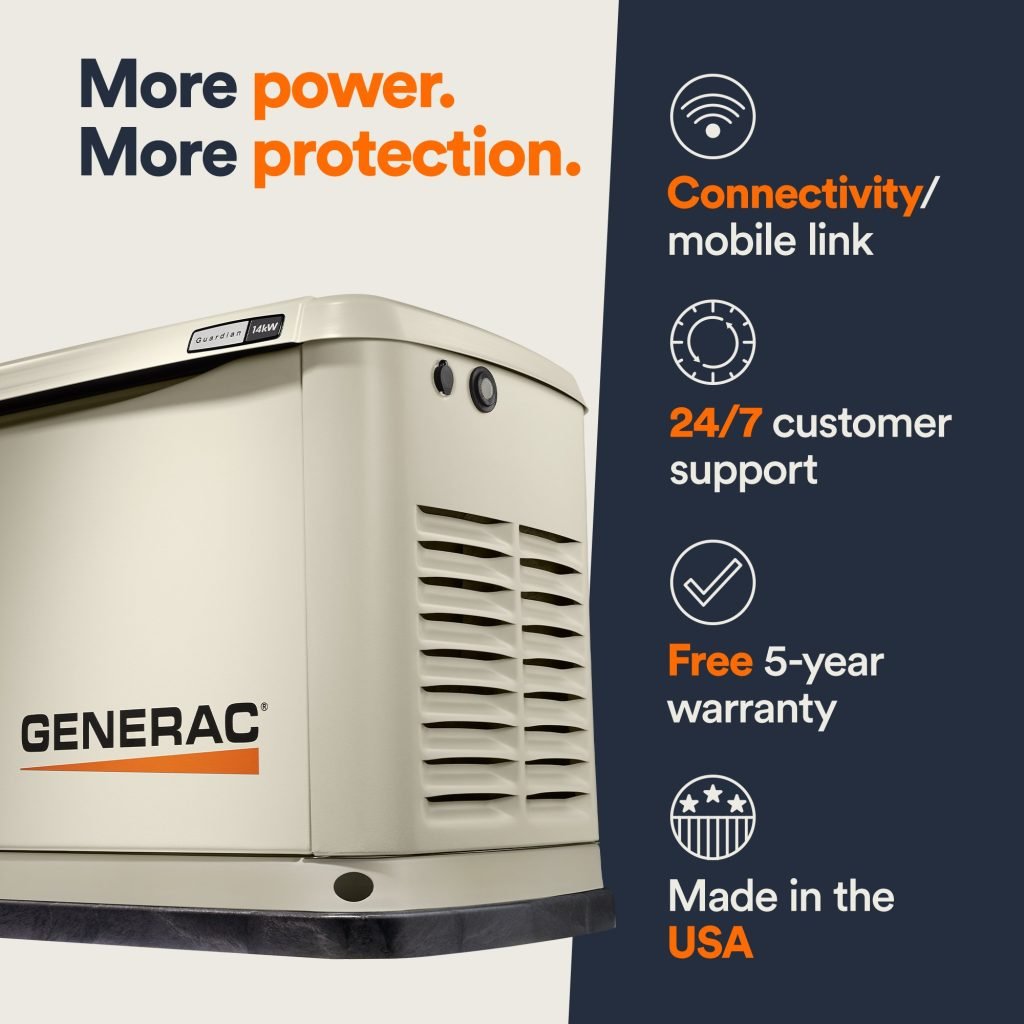
Imagine this: the power suddenly goes out, leaving you in the dark. Your trusty standby generator kicks in, ensuring your home stays bright and secure.
But did you know that without proper load balancing, your generator might not perform at its best? You might be wondering why load balancing is crucial for your standby generator. It’s simple: load balancing ensures your generator can handle all the electrical demands of your home efficiently, preventing overloads and possible damage.
By reading further, you’ll discover how load balancing can save you money, extend the life of your generator, and keep your household running smoothly during power outages. Curious to learn how this small adjustment can make a big difference? Let’s dive into the details and uncover why load balancing is a must for your standby generator.
Credit: www.generac.com
Role Of Standby Generators
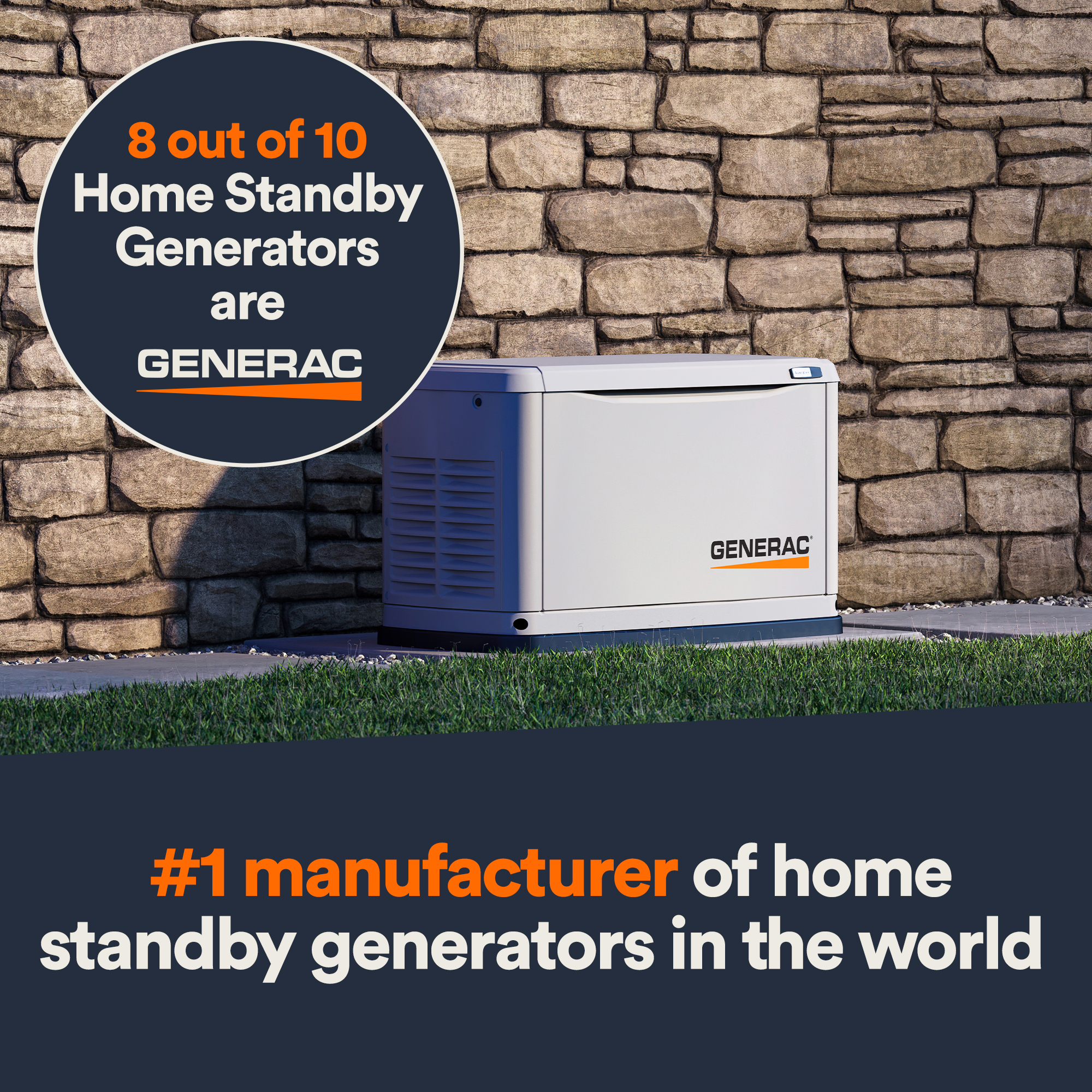
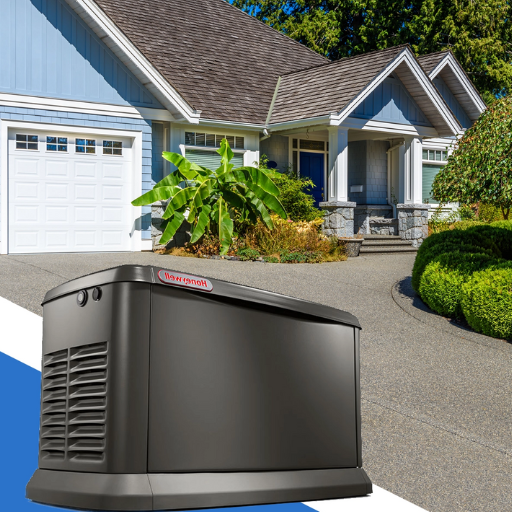
Standby generatorsare like heroes during power cuts. They keep lights on when the main power fails. Hospitals need them for life-saving machines. Schools use them to keep classes running. At home, they keep food fresh and phones charged. Businesses rely on them to avoid losses. Generators step in during storms or outages. They provide quick backup power.
- Hospitals and clinics
- Schools and universities
- Homes and apartments
- Businesses and factories
- Data centers and servers
Generators are used in many places. Hospitals and clinics need them most. Schools use them for lights and computers. Homes use them for fridges and lights. Businesses use them for machines and computers. Generators are also in data centers. They protect important information. They work everywhere electricity is crucial.
Concept Of Load Balancing
Electrical loads are devices that use electricity. Lights, fans, and TVs are loads. Generators make electricity for these devices. They need to work well together. If too many devices use power, it can be bad. Generators must not work too hard. They need to share the work evenly. This is called load balancing.
Load balancing is very important. It helps generators last longer. If they work too hard, they can break. Balancing keeps them safe. It also saves energy. Less energy is wasted. Power systems work better this way. Everyone gets enough electricity. No one has to worry about power cuts. Good balance makes happy homes.
Benefits Of Load Balancing For Generators
Load balancing extends the life of standby generators by distributing power evenly. It prevents overloads and ensures efficiency. This practice reduces fuel consumption and minimizes wear and tear, keeping generators reliable during power outages.
Enhanced Efficiency
Load balancing helps generators work smarter, not harder. It evenly spreads the workload. This prevents overheating and reduces wasted energy. Generators can deliver consistent power without hiccups. This makes them more reliable during power outages. Families can trust their lights will stay on.
Prolonged Equipment Life
Generators last longer with balanced loads. Less strain means fewer repairs. Proper load management keeps parts from wearing out fast. This saves money on maintenance. Equipment stays in good shape for years. Families can count on their generators when needed.
Challenges In Load Balancing
Electricity demandchanges all the time. It can go up or down quickly. Generators must handle these changes. This is called load balancing. If demand is too high, it can cause problems. The generator might stop working. If demand is too low, it can waste fuel. Both situations are not good.
Generators have limits on what they can do. They can only handle certain amounts of power. Too much power can damage them. Too little power makes them inefficient. Modern generators use smart systems. These systems help with load balancing. But they are not perfect. They can fail or make mistakes. This is why careful planning is important. It keeps generators safe and working well.
Methods Of Implementing Load Balancing
Balancing load in standby generators enhances performance and reliability. Methods include round-robin, least connections, and IP hash. These distribute power efficiently, preventing overload and ensuring continuous operation.
Use Of Automatic Transfer Switches
Automatic Transfer Switches help in balancing the load. They switch power sources smoothly. This ensures continuous electricity. These switches connect the generator to the home’s power system. They detect when the main power is lost. Then, they switch to the generator. It happens fast and safely. This prevents overload and equipment damage. Automatic Transfer Switches are crucial for safety. They offer a reliable power solution. They make sure everything works well. Power is always ready when needed.
Advanced Monitoring Systems
Advanced Monitoring Systems keep an eye on power usage. They help in managing the load effectively. These systems check the generator’s performance. They alert users to any issues quickly. Monitoring systems track power needs in real-time. They help in preventing overloads. This saves the generator from damage. By using these systems, power is balanced well. They ensure the generator runs efficiently. These systems are important for smooth operations.
Impact On Operational Costs
Implementing load balancing for standby generators can significantly reduce operational costs. Efficient distribution of power avoids unnecessary fuel consumption and minimizes wear and tear. This optimization enhances the lifespan and reliability of the generators, ultimately lowering maintenance expenses.
Cost Savings
Standby generators can lower operational costs by using load balancing. This process helps distribute power efficiently. Balanced loads reduce fuel consumption and wear and tear. Generators last longer with proper load management. This saves money on repairs and replacements.
Investment Considerations
Investing in load balancing tools might increase upfront costs. However, the long-term savings are worth it. Load balancing ensures generators run smoothly. This minimizes unexpected breakdowns. It also helps in maintaining optimal performance. Consider the benefits and costs before investing.
Future Trends In Generator Load Balancing
New technology helps generators work smarter. Sensors check power use and adjust generator speed. This saves energy and makes the generator last longer. Smart systems help generators talk to each other. This keeps power steady and safe. Cloud-based tools let engineers see and control generators from far away. They can fix problems fast.
Generators can now work with solar and wind power. This mix helps save fuel. It also keeps the environment clean. Batteries store energy from the sun and wind. Generators use this stored power when needed. This makes power supply more reliable. People can use more green energy. This helps reduce pollution.
Credit: shgeneratorset.com
Credit: www.bisonindustry.com
Frequently Asked Questions
What Are The Rules For Standby Generators?
Standby generators must comply with local zoning, noise, and environmental regulations. Install them safely, maintaining proper distance from buildings. Regular maintenance is crucial for efficiency and safety. Always consult manufacturer guidelines and obtain necessary permits before installation. Prioritize professional installation to ensure compliance and optimal operation.
What Happens If A Generator Is Unbalanced?
An unbalanced generator can lead to overheating, reduced efficiency, and increased wear. This may cause vibration, resulting in damage to bearings and other components. Regular maintenance and load balancing help prevent these issues, ensuring optimal performance and a longer lifespan for the generator.
Do I Need A Load Bank For A Generator?
A load bank is essential for testing and maintaining generator efficiency. It prevents engine wet stacking and ensures reliable power delivery. Regular testing with a load bank helps identify potential issues early, prolonging generator lifespan. This practice is crucial for optimal performance and safety in emergency situations.
What Maintenance Does A Standby Generator Need?
A standby generator needs regular oil changes, battery checks, and air filter replacements. Inspect fuel lines and connections. Ensure proper ventilation and clean the unit. Test the generator monthly and schedule professional servicing annually. Maintain a clean environment around the generator to prevent debris accumulation.
Conclusion
Ensuring load balancing for standby generators is crucial. It boosts performance and extends equipment life. Balanced loads prevent generator overload. This helps reduce wear and tear. Also, it maintains steady power supply during outages. Regular maintenance checks are essential. They keep everything running smoothly.
Technicians can spot potential issues early. This saves time and money in the long run. For safety, trust professionals to handle complex tasks. Proper load balancing is not just technical. It’s a smart investment in reliable power. Keep your generator efficient and ready for any situation.