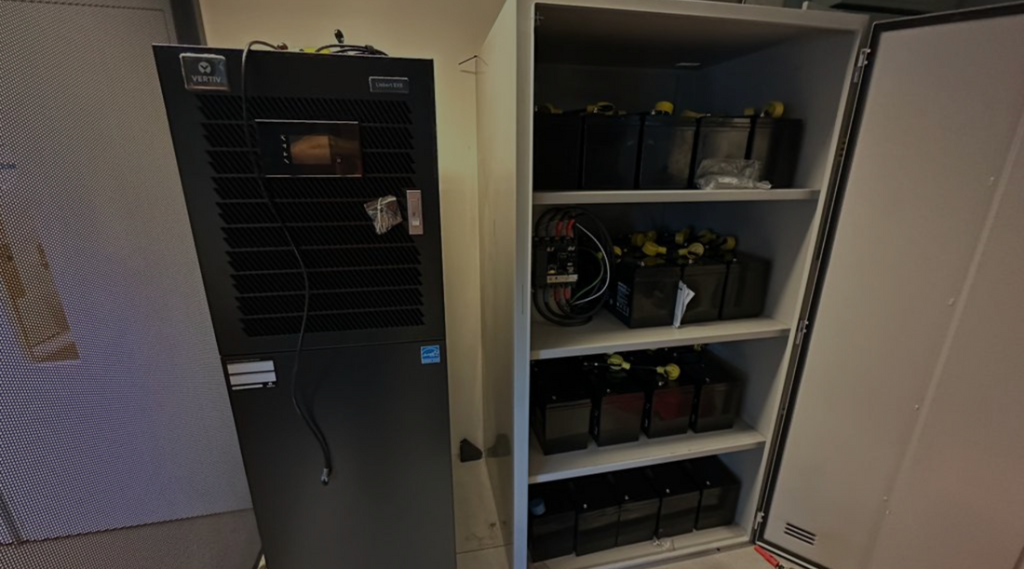
Have you ever wondered if your Uninterruptible Power Supply (UPS) needs ventilation? If you’re relying on a UPS to protect your devices and data, understanding its ventilation requirements is crucial.
Picture this: your UPS is working hard to keep everything running smoothly during power outages, but without proper airflow, it might be overheating and risking its performance. Your peace of mind relies on knowing that your UPS is operating efficiently and safely.
We’ll dive into the importance of ventilation for UPS systems, unraveling why it matters and what you can do to ensure your equipment stays cool and functional. Whether you’re using a UPS at home or in your business, these insights could save you from unexpected downtime and costly repairs. Stay with us as we explore how the right ventilation can make all the difference for your power backup solution.
Credit: www.upsbatteriesindia.com
Importance Of Ventilation For Ups
Ventilationkeeps UPS systems cool and safe. It prevents overheating and damage. UPS stores extra power for computers and machines. Without air flow, heat builds up inside. Heat can harm the UPS parts. Fans and vents help move heat away. This keeps the UPS working well.
Good ventilation extends the life of UPS. Less heat means less wear and tear. This saves money on repairs. A cool UPS runs better and lasts longer. Proper air flow is essential for UPS health.
When UPS gets too hot, it can shut down. This might cause data loss or device damage. Ventilation helps avoid these problems. Always check that vents and fans are clean. Make sure nothing blocks air flow.
Risks Of Poor Ventilation
Poor ventilation can lead to overheating in UPS systems, causing reduced efficiency and potential damage. Ensuring proper airflow helps maintain optimal performance and extend the lifespan of the equipment.
Overheating Issues
Without good air flow, a UPS can get too hot. Heat can cause big problems inside the UPS. Electronics don’t like being hot. This can lead to damage. Fans and vents help keep the temperature cool. Make sure nothing blocks the vents. Overheating can make the UPS stop working. It is important to keep it cool.
Reduced Lifespan
When a UPS is too hot, it doesn’t last as long. Heat makes parts wear out faster. This means you might need a new UPS sooner. Keeping it cool helps it last longer. A long-lasting UPS saves money. Proper air flow is key for a healthy UPS. Regular checks help ensure good ventilation.
Signs Of Inadequate Cooling
A UPS without enough air might get slow. Fans might work harder, making more noise. If the UPS gets hot, it can’t work well. Batteries may not last long and can wear out fast. Also, connected devices might not get the right power. This can cause problems with computers and other devices. Keeping the UPS cool helps it work better.
Without proper ventilation, a UPS can shut down suddenly. This happens when it gets too hot. The UPS stops to protect itself and the devices. Frequent shutdowns can be bad for your work. It can cause data loss and damage devices. Make sure the UPS has enough space around it. This helps keep it cool and running well.

Credit: www.comnet.sg
Choosing The Right Location
Choosing the right location for a UPS is crucial to ensure proper ventilation. A well-ventilated spot helps prevent overheating, extending the life of the UPS. Make sure there’s enough space around it for air circulation.
Ideal Placement
The UPS should be placed in a cool area. It needs space to breathe. Airflow is important to avoid overheating. Choose a ventilated room for best results. Avoid direct sunlight. This keeps the UPS safe and working well.
Avoiding Restricted Spaces
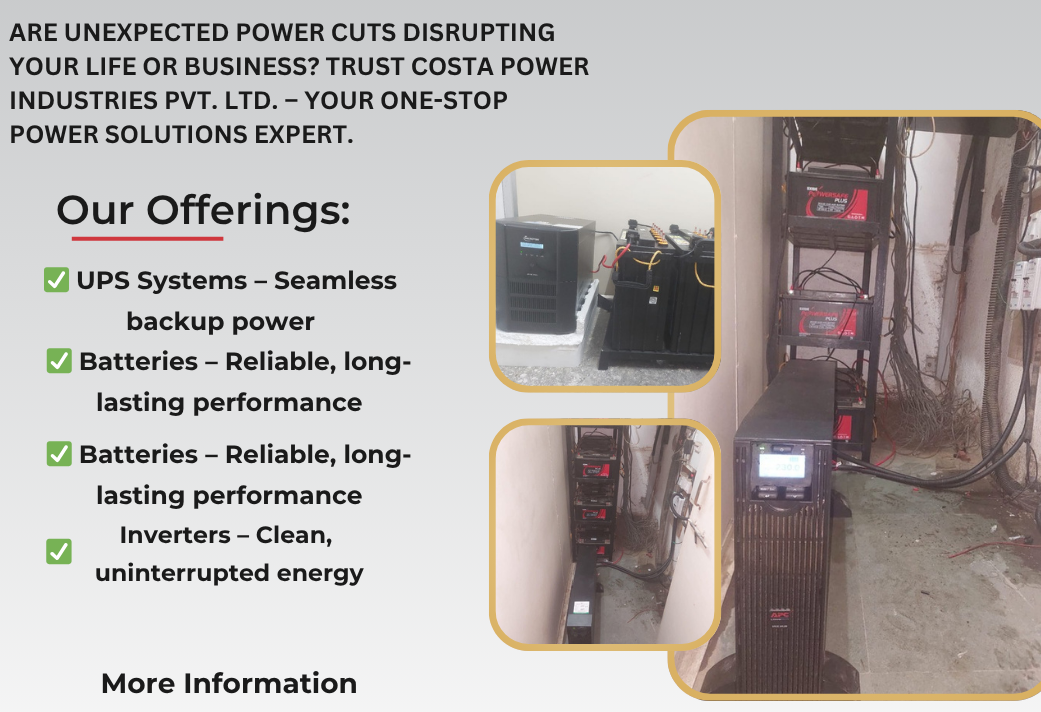
Do not place the UPS in tight corners. It requires space for air circulation. Closed cabinets can trap heat. This may harm the UPS. Ensure the area around it is clear. Avoid blocking vents. This helps in cooling. Keep the UPS away from dusty areas. Dust can clog vents. This affects performance.
Cooling Methods And Techniques
Proper ventilation is crucial for a UPS to prevent overheating. Adequate airflow ensures efficient cooling and extends the device’s lifespan.
Natural Ventilation
Natural ventilation uses airflow to cool devices. It relies on open spaces and air vents. This method is simple and cost-effective. Fresh air moves through the system, carrying heat away. Placement of the UPS is important. It should be in a well-ventilated area. Avoid placing it in tight or enclosed spaces.Active Cooling Systems
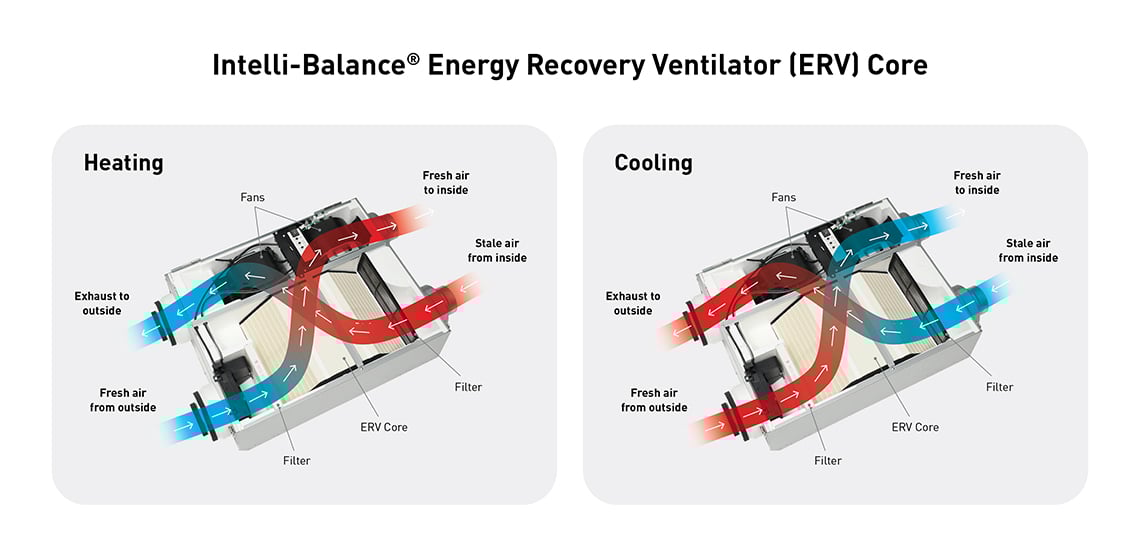
Active cooling systems use fans or air conditioners. These systems help reduce heat quickly. They are more efficient than natural methods. Fans blow cool air over hot parts. Air conditioners maintain a constant cool temperature. This prevents devices from overheating. Active systems are often used in data centers. They require more energy than natural methods. `Regular Maintenance Practices
Proper ventilation is essential for an uninterruptible power supply (UPS) to function effectively. Adequate airflow prevents overheating, ensuring the UPS operates efficiently and lasts longer. Regular checks can help maintain optimal ventilation.
Cleaning Air Vents
Air vents in a UPS need regular cleaning. Dust can block these vents. This makes the UPS work harder. Always use a soft brush or cloth. Avoid water when cleaning. Check vents every month. Clean them if needed. This helps air move freely.
Monitoring Temperature
Temperature affects the UPS performance. A hot UPS can break easily. Keep a thermometer near the UPS. Check the temperature often. Make sure it stays cool. If it gets hot, check the vents. Proper air flow keeps the UPS healthy.
Advanced Cooling Solutions
Proper ventilation is crucial for UPS systems to prevent overheating. Efficient airflow enhances performance and prolongs equipment lifespan. Advanced cooling solutions offer effective strategies to maintain optimal temperature levels.
Liquid Cooling Options
Liquid cooling is a smart choice for keeping a UPS cool. It uses coolantto take away heat from the UPS parts. This method works well in hot places. It reduces the risk of overheating. Fans can be noisy, but liquid cooling is quiet. Many choose it for its efficiency. Liquid cooling systems can be costly. They need regular checks and care. It is important to keep them clean. A well-maintained system lasts longer.
Environmental Control Systems
Environmental control systems help manage the temperature in a room. They keep the air cool around the UPS. These systems have sensorsto check heat and humidity levels. If the room is too warm, they cool it down. They use air conditioners and fans. This keeps the UPS safe from heat damage. It’s vital to keep the room clean. Dust can block air flow. Regular cleaning helps efficiency. These systems are essential for big setups.
Credit: iaq.na.panasonic.com
Frequently Asked Questions
Does An Ups Require Ventilation?
Yes, an UPS requires proper ventilation. Good airflow prevents overheating and ensures efficient performance. Place it in a well-ventilated area away from obstructions. Regularly check vents for dust accumulation.
Does Ups Need Air?
UPS systems don’t need air for operation. They require electricity to function and protect electronic devices from power disruptions. Proper ventilation is crucial to prevent overheating and ensure efficient performance. Regular maintenance helps in prolonging the lifespan of UPS systems and safeguarding connected equipment.
What Are The Room Requirements For Ups?
UPS rooms need proper ventilation, stable temperature, and humidity control. Ensure fire safety measures are in place. Adequate space is essential for maintenance access. Install grounding systems to prevent electrical hazards. Regularly monitor environmental conditions to maintain optimal UPS performance.
What Is Required For Ups?
A UPS requires a stable power source, battery backup, and surge protection. Ensure adequate capacity for connected devices. Regular maintenance and monitoring help maintain efficiency.
Conclusion
Ventilation is crucial for your UPS. It prevents overheating and damage. Ensure your UPS has enough space. Proper airflow extends its lifespan. Regular checks can save you costly repairs. Position it in a cool, open area. Avoid clutter around it.
This keeps your equipment safe and efficient. Remember, a well-ventilated UPS works better. It also lasts longer. So, prioritize ventilation to protect your investment. This simple step ensures reliable performance. Keep your devices safe and running smoothly. Always prioritize proper ventilation for your UPS.