Imagine you’re enjoying a peaceful evening at home when a sudden thunderstorm rolls in. Lightning strikes nearby, and in that split second, you’re left wondering about the safety of your electronics.
You rely on these gadgets for work, entertainment, and staying connected. So, how can you ensure their protection? You’re not alone in wondering if a UPS (Uninterruptible Power Supply) can shield your valuable devices from the wrath of lightning. You’ll discover the truth about UPS systems and their effectiveness against electrical storms.
By the end, you’ll have the clarity you need to safeguard your tech investments. Keep reading to learn how you can fortify your home against nature’s electrifying displays.

Credit: lsp.global
Role Of A Ups In Power Protection
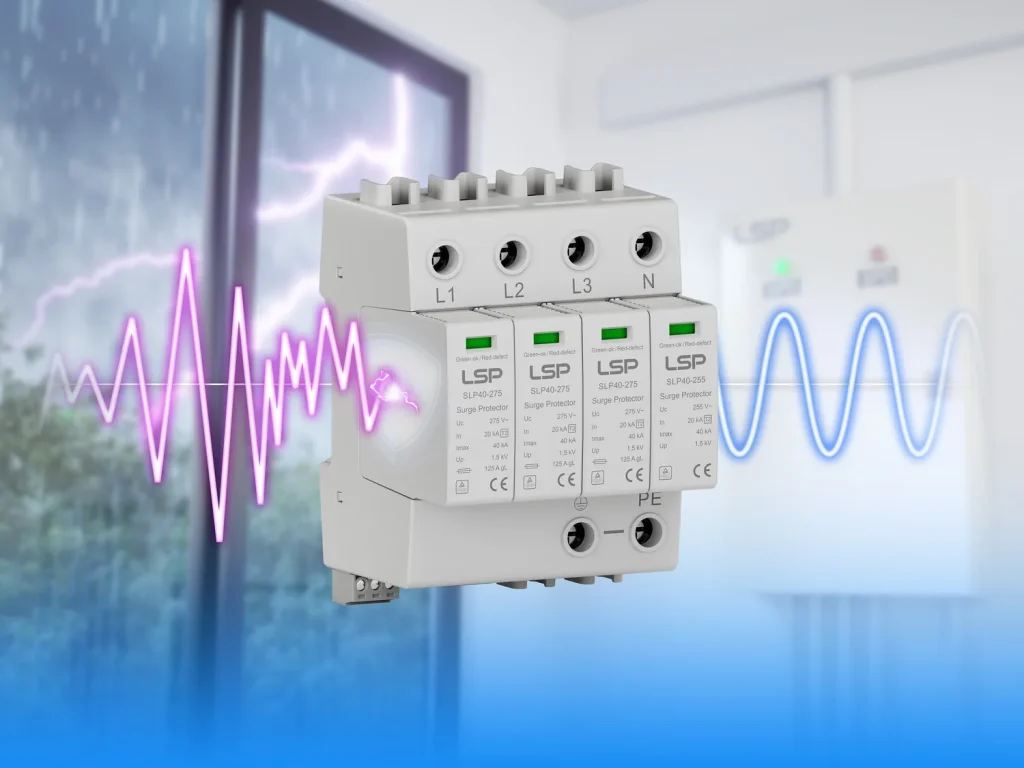
A UPS offers limited protection against lightning by guarding connected devices from power surges. While it shields electronics from voltage spikes, it can’t fully prevent lightning damage. For complete protection, consider using surge protectors alongside a UPS.
Basic Functions Of A Ups
A UPS, or Uninterruptible Power Supply, is important. It keeps your devices safe. It helps during power cuts. The UPS gives temporary power. It helps avoid sudden shutdowns. This protects your data and devices. A UPS also guards against power surges. These surges can harm electronic gadgets. By stabilizing power, a UPS ensures smooth operation. It acts as a shield for electronics. This is crucial in storms or lightning.
Types Of Ups Systems
Different UPS systems serve various needs. Here are three main types:
- Standby UPS:Best for home use. It switches to battery when power fails.
- Line-Interactive UPS:Good for small offices. It adjusts voltage spikes and dips.
- Online UPS:Ideal for servers. It provides continuous power by converting electricity.
Each type has its benefits. Choose based on your requirements. This ensures maximum protection.
Credit: lsp.global
Lightning Strikes And Electrical Systems
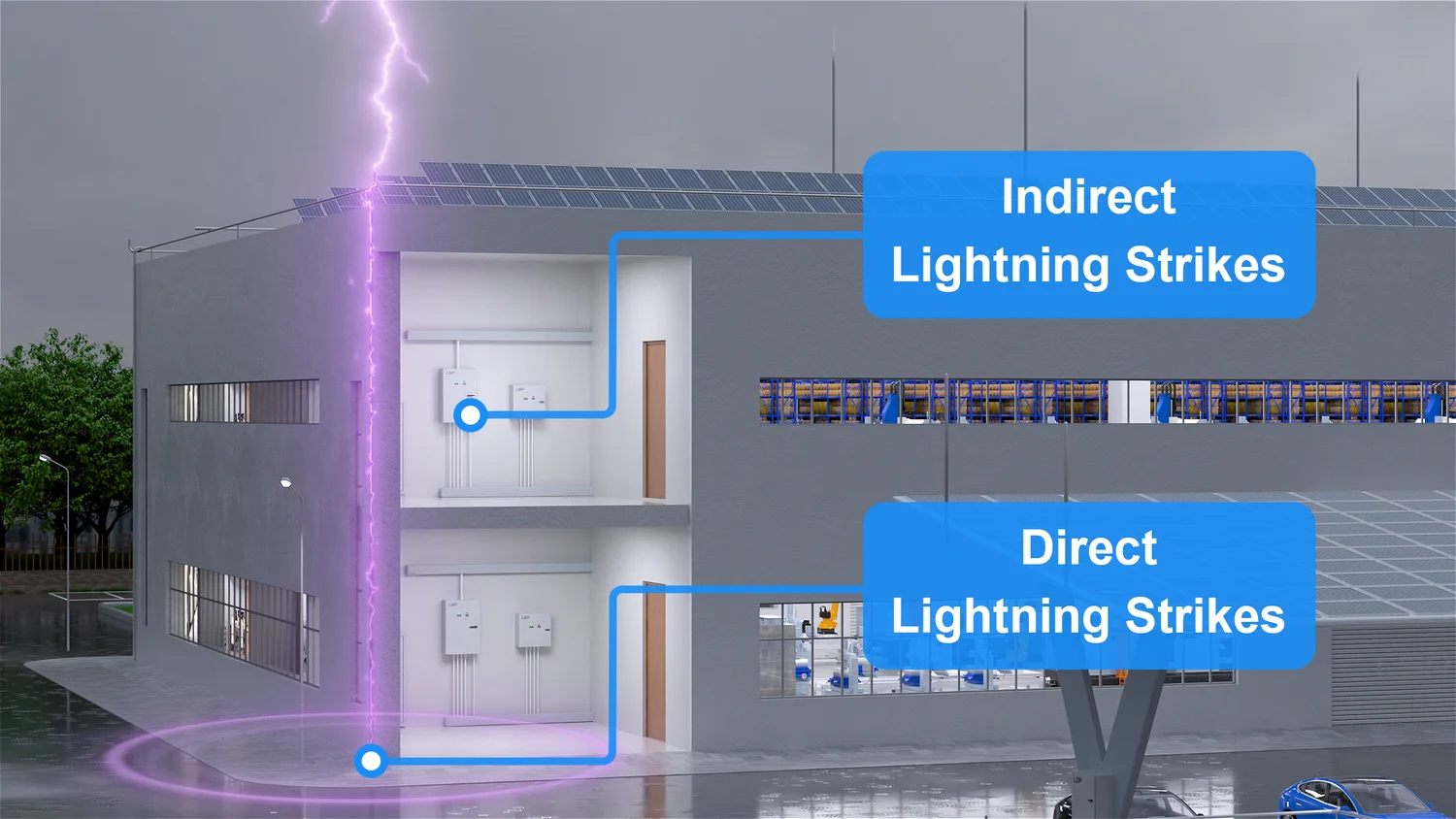
A UPS offers some protection against power surges, but it may not fully guard against lightning strikes. Lightning can cause significant electrical damage, so additional protection like surge protectors is recommended. For optimal safety, unplug devices during storms.
Impact Of Lightning On Power Grids
Lightning can cause big trouble for power grids. A lightning strike can disrupt the flow of electricity. This might lead to power outages. In some cases, it can even damage the grid itself. Power lines may snap or burn. Transformers can get overloaded. This can cause a lot of inconvenience for people. Many homes might lose power at the same time.Common Damage To Electronics
Lightning can hurt home electronics too. Items like TVs, computers, and fridges are at risk. The electrical surge from a strike can fry circuits. This might make gadgets stop working. Replacing them can be expensive. It’s important to protect electronics from such damage. Using surge protectors can help. They divert extra electricity away from devices. This keeps gadgets safe during a storm. `Ups Effectiveness Against Lightning
Uninterruptible Power Supplies (UPS) offer limited protection against lightning strikes. They mainly guard against power surges and outages. For complete lightning protection, consider additional surge protectors or dedicated lightning arrestors.
Limitations Of Ups In Lightning Protection
UPS devices can’t stop lightning from hitting. They do not block the lightning. UPS systems are made for power cuts and small surges. Lightning is too strong for them. A direct lightning strike can be dangerous. It can damage your electronics. Surge protectors are often better for lightning. They absorb the extra power. UPS helps for short power loss, but not for big strikes.Scenarios Where Ups Offers Benefits
A UPS can save data during a storm. It gives you time to turn off safely. UPS can help during small power cuts. It keeps computers running for a bit. UPS is good for sudden power loss. But, it is not strong against lightning. Use it with a surge protector for better safety. This keeps devices safer from sudden power changes. `Enhancing Protection With Additional Measures
A UPS may not fully protect devices from lightning strikes. Surge protectors and proper grounding enhance safety measures. These additional layers provide better defense against power surges caused by lightning.
Surge Protectors And Their Role
Surge protectorsare like shields for your electronics. They stop extra electricity. This extra electricity comes during storms. Surge protectors help keep your devices safe. They can stop big bursts of power. These bursts can hurt your gadgets. A good surge protector will have a special part. This part absorbs the extra power. It keeps it away from your stuff. Always check your surge protector. Make sure it still works well.
Importance Of Grounding Systems
A grounding systemis very important. It helps electricity go to the ground. This system keeps you safe. It stops electricity from hurting your devices. Grounding makes sure extra power goes away. It does not reach your devices. A good grounding system is like a safety net. It catches bad electricity. Always ensure your home has a good grounding system. This will protect your electronics.
Choosing The Right Ups For Lightning Prone Areas
Choosing a UPS with surge protection is vital for areas prone to lightning. It shields devices from voltage spikes. Ensure it meets local electrical standards for optimal safety.
Features To Look For
A good UPS is vital in stormy areas. It should have surge protection. This keeps devices safe from lightning strikes. Look for a UPS with a high joule rating. The higher the joules, the better the protection. Automatic Voltage Regulation (AVR) is essential. AVR keeps voltage stable during storms. Ensure the UPS has a strong battery backup. This helps during power cuts. A quick response time is crucial. It switches to battery power in milliseconds. A user-friendly display is helpful. It shows battery status and alerts. Choose wisely for your area.
Evaluating Ups Capacity
Check the UPS capacity for your needs. Calculate the total power of your devices. Add them up to find the load. The UPS should support this load easily. Overloading a UPS is risky. It may fail during a storm. Choose a UPS with extra capacity. This gives a safety margin. Consider how long you need backup power. Some UPS offer longer runtimes. Match the UPS capacity to your home or office needs.

Credit: lsp.global
Best Practices For Lightning Protection
Lightning can damage electronic devices, and a UPS offers some protection. It guards against power surges and outages, keeping devices safe. However, a UPS alone may not fully protect against lightning strikes; additional lightning protection systems are recommended for comprehensive safety.
Regular Maintenance And Inspection
Check protective devices often. Look for signs of wear or damage. Replace old equipment that may not work well. Inspect connections to ensure they are tight and secure. Test systems to make sure they perform as expected. Keeping devices clean can help them work better. Dust and dirt can affect performance.
Integrating Multiple Protective Devices
Use surge protectors to guard against spikes. Install lightning rods to divert strikes safely. Grounding systems are crucial for safety. Connect UPS systems with other devices. Combining devices offers better protection. Layer your defenses for maximum safety. Use simple devices together for strong protection.
Frequently Asked Questions
Does An Ups Work As A Surge Protector?
Yes, a UPS can work as a surge protector. It provides power backup and protects against voltage spikes. However, not all UPS units have built-in surge protection. Always check the specifications to ensure surge protection features are included.
Should I Unplug My Ups During A Thunderstorm?
Unplugging your UPS during a thunderstorm can protect it from power surges. Ensure sensitive devices are disconnected for safety. Consider using a surge protector for added protection. Prioritize safeguarding your electronics to prevent damage from lightning strikes. Stay prepared and secure during stormy weather conditions.
What Is The Best Protection Against Lightning?
Install a professionally-designed lightning protection system. Use surge protectors for electronic devices. Stay indoors during storms. Avoid using electrical appliances and plumbing. Seek shelter in a car if caught outside. Keep away from tall objects and open fields. Following these precautions reduces lightning strike risks.
Can Lightning Go Through A Surge Protector?
Lightning can overwhelm surge protectors due to its immense power. Surge protectors can’t guarantee full protection from lightning strikes. Always unplug devices during storms for safety.
Conclusion
A UPS can offer some protection against lightning. It safeguards your devices from power surges. Yet, it’s not foolproof against direct lightning strikes. Consider a whole-house surge protector for added safety. Ensure your UPS has a good warranty and support.
Regular maintenance is key to its effectiveness. Unplugging devices during storms is always wise. This offers the best protection against lightning damage. A UPS helps, but isn’t the only solution. Stay informed and make smart choices for your electronics.