Picture this: a storm rolls in, the power goes out, and you’re left in the dark, unsure of when the lights will come back on. It’s moments like these when a standby generator becomes your best friend.
But how do you know which size is right for you? Choosing the perfect generator isn’t just about keeping the lights on; it’s about ensuring your home or business runs smoothly and efficiently during an outage. The wrong size could mean insufficient power or unnecessary costs.
This guide will walk you through the essentials, making the decision-making process clear and straightforward. You’ll discover how to calculate your power needs, understand generator capabilities, and ultimately ensure peace of mind during any power outage. Stay with us, and soon you’ll feel confident and prepared for whatever comes your way.

Credit: nomicpower.com
Assess Power Needs
Make a list of essential appliancesto power during an outage. Include items like:
- Refrigerator
- Heating or cooling systems
- Lights
- Water pump
- Medical devices
- Electronics such as computers or TVs
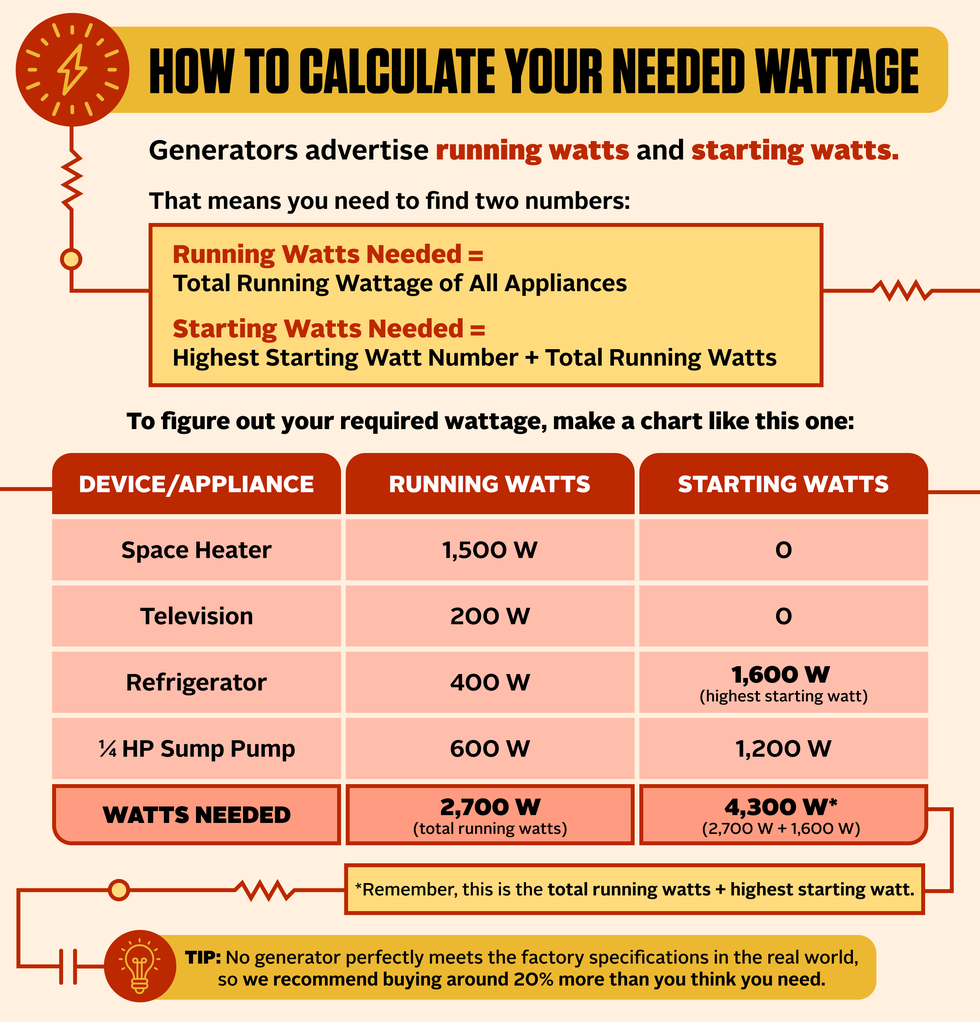
Calculate the total wattageby adding up the power each appliance uses. This information is often on the appliance label.
Remember, some appliances need more power to start than to run. This is called starting watts. For example, motors in refrigerators or pumps use more power at startup.
Choose a generator that can handle the highest starting wattageplus the total running wattage. This ensures smooth operation during power loss.

Credit: blog.hercrentals.com
Types Of Generators
Portable generatorsare smaller and easy to move. They are good for short power needs and small appliances. Standby generatorsare fixed and start automatically during power cuts. They power the whole house or business.
Fuel type affects how well the generator works and costs.
- Gasoline:Common for portable units, but storage can be tricky.
- Propane:Burns clean and lasts longer in storage.
- Natural Gas:Used by standby generators, supplies power without refilling.
- Diesel:Very efficient, used in larger standby generators.
Choose fuel based on availability, cost, and your power needs.
Evaluate Home Electrical System
Knowing your circuit breaker panel sizehelps estimate your generator needs. The panel size shows the maximum electrical load your home can handle. Common sizes are 100, 150, or 200 amps. Check the label on your panel door for this number.
List the critical circuitsyou want to power during an outage. These include:
- Refrigerator and freezer
- Heating or cooling system
- Lights in main living areas
- Water heater or pump
- Medical devices, if any
Adding the wattage of these devices helps find the total load. This total guides the size of the standby generator needed. A generator too small won’t power all devices. Too large is extra cost and fuel use.

Credit: www.popularmechanics.com
Load Calculation Methods
Manual calculation involves listing all electrical devices to power during an outage. Add up the wattage of each device. Use the starting watts for items like refrigerators and pumps, as they need more power to start. This total helps find the generator size needed. Add a safety margin to cover unexpected loads.
Load calculators simplify this process. They ask for the devices and their wattage. The tool then totals the load and suggests the generator size. Many online calculators are free and easy to use. They reduce errors in manual math and save time.
Generator Sizing Tips
Think about adding new devices or rooms later. Choose a generatorthat can handle more power than you need now. This saves money and effort in the future.
Power surges happen when machines start. These surges need more power than usual. Make sure your generator can handle these brief spikes without shutting down.
| Factor | Why It Matters | What to Do |
|---|---|---|
| Future Expansion | More devices or rooms may be added | Pick a generator with extra capacity |
| Power Surges | Temporary spikes in power need extra wattage | Choose a generator that handles surge watts |
Professional Assessment
Consulting an electrician helps find the right generator size. They check your home’s total power needs. This includes all appliances and systems you want to run during an outage.
Electricians can spot hidden power draws and recommend proper generator capacity. This avoids buying a generator that is too small or too large.
- Ensure safety with correct installation
- Avoid overloads and power failures
- Save money by choosing an efficient size
- Get professional advice on maintenance
Expert evaluation helps match your generator to your needs. It provides peace of mind during power outages.
Installation Considerations
Choosing the right spot for your standby generator is very important. It must have good ventilationto keep air flowing and avoid heat build-up. The generator should be placed away from windows, doors, and vents to prevent fumes from entering your home.
Local rules and permits often control where and how generators can be installed. Checking with your city or county office helps ensure you follow the correct regulations. This can avoid fines or having to move the generator later.
- Keep the generator on a flat, stable surface.
- Allow at least 3 feet of clearance around the unit for airflow.
- Place the generator away from living areas.
- Obtain all necessary permits before installation.
- Follow local noise and emission rules.
Frequently Asked Questions
How To Calculate Standby Generator Size Needed?
Calculate total wattage of all essential appliances and add 20-25% extra for safety. This ensures the generator can handle startup surges and continuous loads efficiently.
What Factors Affect Standby Generator Sizing?
Consider total power requirements, appliance startup watts, fuel type, and future expansion needs. Location climate and usage frequency also influence the ideal generator size.
Can A Generator Be Too Big Or Too Small?
Yes, an oversized generator wastes fuel and costs more. An undersized one can’t power all devices, risking damage or outages.
How Many Watts Does My Home Need For Backup?
Add wattage of critical appliances like fridge, lights, and HVAC. Typically, homes require 5,000 to 7,500 watts for essential backup power.
Conclusion
Choosing the right standby generator size saves money and hassle. Start by listing essential appliances and their power needs. Add up the watts for a total load estimate. Remember to include starting watts for motors. Don’t forget future needs or extra devices.
A correctly sized generator keeps your home safe and comfortable. Take time to plan carefully. This helps you avoid buying too big or too small. A good fit means reliable power during outages. Keep these steps in mind for smart generator choices.