Picture this: a sudden power outage hits, and everything goes dark. Your lights, appliances, and devices all go silent.
In these moments, a standby diesel generator can be your savior, ensuring that your home or business remains powered up and running smoothly. But have you ever wondered how these powerful machines work? Understanding their functionality can be crucial, especially if you’re considering investing in one for your own peace of mind.
We’re diving deep into the inner workings of standby diesel generators. We’ll break down the complexities into simple, digestible bits, making sure you walk away with a clear understanding. You’ll discover how these generators kick into action when the grid fails and how they manage to keep everything from your refrigerator to your computer running seamlessly. So, if you’re curious about the behind-the-scenes magic that keeps your life uninterrupted during power cuts, keep reading—you won’t want to miss this enlightening exploration!
Basics Of Standby Diesel Generators
Standby diesel generatorsprovide power during outages. They start automatically when main power fails. These generators keep homes and businesses running without interruption.
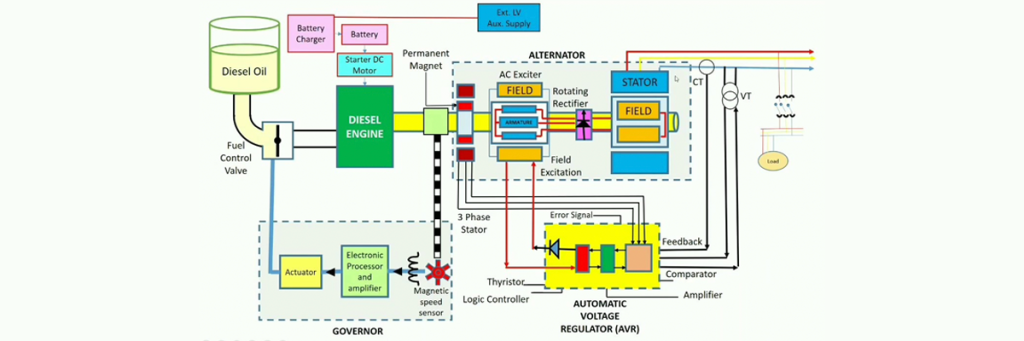
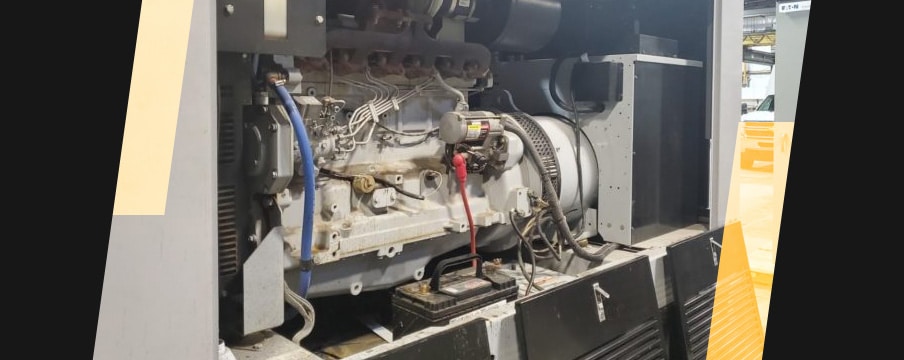
Key componentsinclude the diesel engine, alternator, fuel system, battery, and control panel. The diesel engine powers the generator. The alternator turns this power into electricity. The fuel system supplies diesel to the engine. The battery helps start the engine. The control panel manages the generator’s operation and safety features.
The power generation processbegins with the engine burning diesel fuel. This creates mechanical energy. The alternator converts this mechanical energy into electrical energy. The control panel monitors voltage and frequency. It ensures power is stable and safe to use. The generator stops running once the main power returns.
Credit: woodstockpower.com
Starting Mechanism
Automatic Transfer Switch (ATS)detects power loss instantly. It switches the load from the main power to the generator. This happens within seconds to keep power steady. The ATS monitors electricity flow all the time. When normal power returns, it switches back automatically. This keeps your home or business powered without manual help.
Engine Ignitionstarts the diesel generator after ATS triggers. The generator’s engine uses a starter motor to turn on. Fuel and air mix inside the engine to create combustion. This powers the engine and generates electricity. The system runs until the main power supply is stable again. Then, the engine shuts down safely to save fuel and reduce wear.
Fuel System
Diesel fuel storageis key for standby generators. Tanks hold enough fuel for hours or days. Tanks must be sealed to avoid contamination. Clean fuel keeps the engine running smoothly. Some tanks have heaters to stop fuel from thickening in cold weather.
Fuel deliverymoves diesel from the tank to the engine. A fuel pump pushes the fuel through filters. Filters catch dirt and water, protecting the engine. The fuel injection system sprays diesel into the engine’s cylinders. This creates the power needed to run the generator.
Credit: turnkey-industries.com
Cooling And Exhaust Systems
Standby diesel generators need coolingto keep running well. They use different cooling methodsto stop the engine from getting too hot.
- Air cooling: Fans blow air over the engine to cool it down.
- Liquid cooling: Water or coolant moves around the engine parts to absorb heat.
- Radiators: Help release heat from the coolant into the air.
Exhaust systems remove harmful gasesmade by the engine. Pipes carry the exhaust away from the generator to keep the air clean.
- Mufflers: Reduce noise from the engine.
- Exhaust stacks: Direct gases up and away.
- Filters: Catch particles before gases leave the system.
Control And Monitoring
Control panelsact as the brain of standby diesel generators. They allow users to start, stop, and monitor the generator easily. These panels show important data like voltage, frequency, and running hours. Some control panels also allow automatic start during power outages, ensuring uninterrupted power supply.
Safety is a key part of diesel generator operation. Generators include automatic shut-off featuresif there is low oil, high temperature, or overload. These safety functions protect the engine and prevent damage. Alarms and warnings alert users to any issues quickly. This helps keep the generator running safely and reliably.
Maintenance And Testing
Routine checkskeep standby diesel generators ready for use. Check oil levels, coolant, and fuel regularly. Inspect the battery and clean terminals to ensure good connections. Look for leaks or wear in hoses and belts. Test the control panel for error codes. Keep the generator area clean and free of debris. These small steps help prevent big problems.
Load testingshows if the generator can handle real power needs. Run the generator under a controlled load. Watch for stable voltage and frequency. Note any unusual noises or vibrations. Test automatic transfer switches to confirm they work. Load tests should happen at least once a year. This ensures the generator will work in emergencies.
Common Applications
Standby diesel generators provide reliable power during outages. For residential use, they keep homes running smoothly. Essential appliances like refrigerators and heaters stay on. Safety systems such as alarms and lights continue working without interruption.
In industrial and commercial use, these generators support critical operations. Factories maintain production lines. Offices keep computers and communication systems active. Hospitals rely on them to power life-saving equipment. They ensure businesses avoid costly downtime and keep workers safe.

Credit: www.angi.com
Frequently Asked Questions
How Do Standby Diesel Generators Start Automatically?
Standby diesel generators start automatically when the main power supply fails. An automatic transfer switch detects the outage and signals the generator to start. This ensures immediate backup power without manual intervention, maintaining continuous electricity supply during power cuts.
What Fuels Standby Diesel Generators Use?
Standby diesel generators use diesel fuel, known for its high energy density and efficiency. Diesel is reliable, easy to store, and provides consistent power output, making it ideal for emergency backup systems in homes, businesses, and critical facilities.
How Long Can Standby Diesel Generators Run Continuously?
Standby diesel generators can run continuously for 8 to 24 hours, depending on fuel capacity and load. Extended operation requires sufficient diesel fuel and proper cooling. Regular maintenance ensures they operate efficiently during prolonged power outages.
Why Are Standby Diesel Generators Preferred For Backup Power?
Standby diesel generators are preferred due to their reliability, quick startup, and durability. They provide stable power during outages and handle high electrical loads. Diesel engines require less maintenance and have a longer lifespan than other backup power options.
Conclusion
Standby diesel generators provide reliable power during outages. They start automatically when the main power fails. These generators run on diesel fuel and use an engine to create electricity. They protect homes and businesses from losing power. Regular maintenance keeps them ready to work anytime.
Choosing the right size ensures they meet your needs. Understanding how they work helps you trust their performance. A standby diesel generator offers peace of mind during blackouts. Simple, strong, and dependable power backup.