
Imagine being able to power your devices anywhere, anytime, without depending on a traditional power outlet. Whether you’re camping in the great outdoors, facing a power outage at home, or just need extra power on the go, a portable power station can be your lifesaver.
But how exactly does this handy gadget work? Understanding its operation not only helps you make the most out of it but also ensures that you choose the right one for your needs. You’ll uncover the ins and outs of how a portable power station functions, revealing the secret behind its ability to keep your life running smoothly.
By the end, you’ll not only be empowered with knowledge but also ready to make informed decisions that could change your power game forever. So, are you ready to discover the magic behind portable power stations? Let’s dive in!
Components Of A Portable Power Station
The batteryis the heart of the power station. It stores energy for later use. Portable power stations often use lithium-ion batteries. These batteries are light and powerful. They last longer than other types. They provide steady power to devices.
The inverterconverts stored energy to usable power. It changes DC power to AC power. AC power is what most devices use. This conversion is important for powering everyday gadgets.
The charge controllermanages power flow. It prevents overcharging of the battery. It ensures safe and efficient charging. It helps extend battery life.
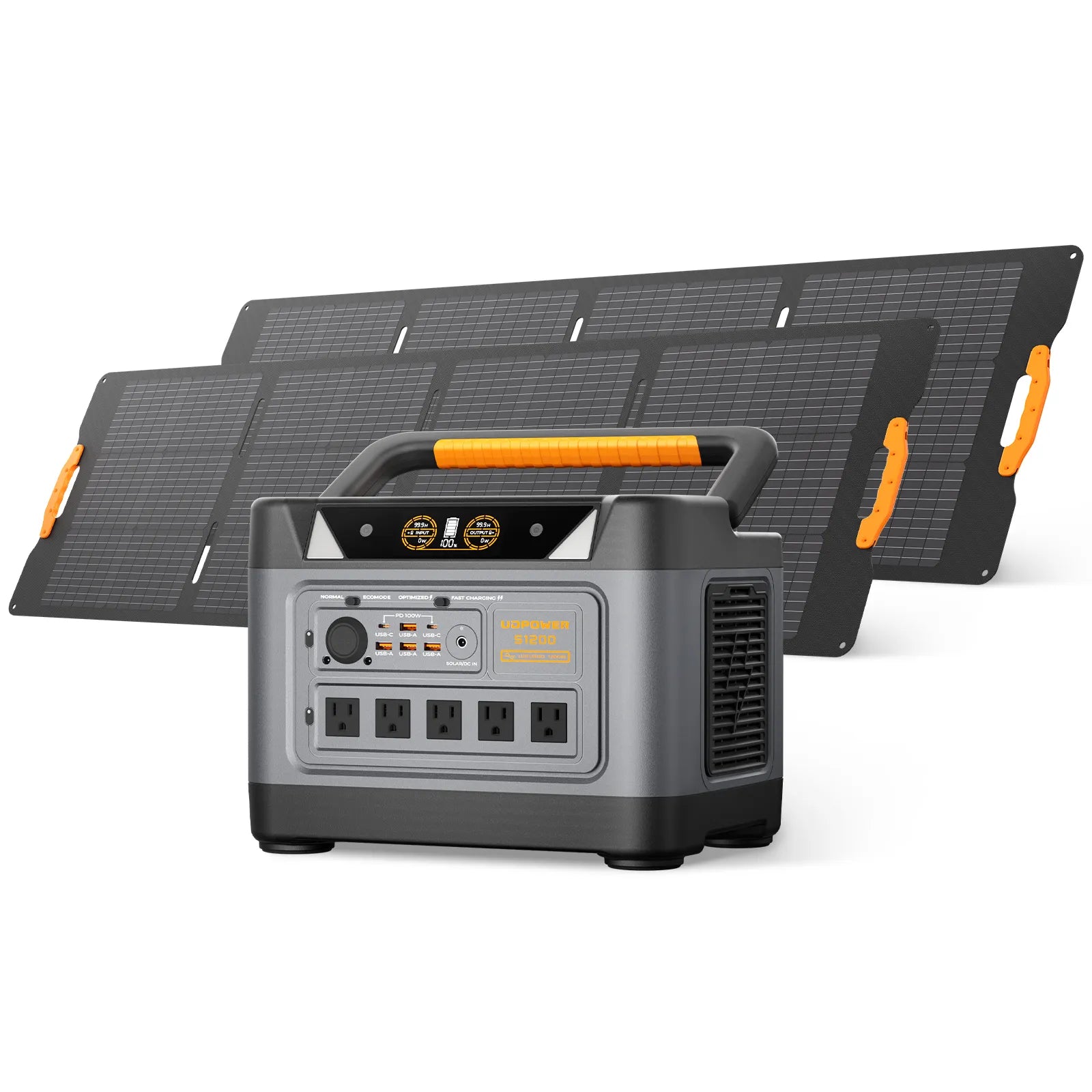
Power stations have inputand output ports. Input ports are for charging the station. Output ports are for powering devices. Common output ports include USB and AC outlets. They allow you to charge phones, laptops, and more.
Credit: udpwr.com
Charging Methods
A portable power station can use the sunto get energy. It needs solar panels to collect sunlight. The panels turn sunlight into electricity. This electricity charges the power station. It is a clean and environment-friendlyway to charge.
Plug the power station into a wall socket. It charges using your home’s electricity. This is a fast and easy method. Most power stations come with an AC adapter. Charging this way is common and simple.
You can charge a power station in your car. Use the car’s cigarette lighteror power outlet. This is useful during road trips. It allows charging while driving. Car charging is slow but very convenient.
Energy Storage
A portable power station stores energy in a battery. The battery’s capacity tells how much energy it can hold. Bigger capacity means more power for your devices. Efficiency shows how well the power station uses energy. High efficiency means less energy wasted. This helps the battery last longer.
Battery Management Systems (BMS) protect the battery. They keep it safe from overcharging and overheating. BMS also balances the energy in each cell. This ensures the battery works well. It extends the battery’s life. BMS helps the power station be reliableand safefor use.
Power Output
Portable power stations store energy in batteries. Convert it to electricity for devices. Easily recharge with solar panels, wall outlets, or car chargers.
Wattage And Voltage
Portable power stations have different wattagelevels. Wattage is the power they give. Higher wattage means more power. Voltage is another important thing. It tells how strong the power is. Most devices need a certain voltage to work. Many power stations offer adjustable voltage settings. This helps to match device needs. Understanding wattage and voltage helps in using them correctly.
Ac Vs Dc Output
Power stations can have ACor DC outputs. AC stands for alternating current. It is like home electricity. Many household devices use AC power. DC stands for direct current. It powers gadgets like phones and laptops. Knowing the difference is important. Choose the right output for your device. Some power stations offer both outputs. This makes them very useful.
Safety Features
Portable power stations include safety features like overcharge protection, temperature control, and short-circuit prevention. These features ensure safe and efficient operation. They protect both the device and connected appliances, providing peace of mind during use.
Overload Protection
Portable power stations have overload protection Temperature controlis another key safety feature. It monitors the heat inside the station. If it gets too hot, cooling fans turn on. This helps to keep the power station cool. It prevents overheating and ensures safe operation. Short circuit preventionis crucial for safety. It stops electricity from flowing in a dangerous way. If a short circuit is detected, it cuts off power. This prevents fires or damage to devices. It is an important safety measure.Temperature Control
Short Circuit Prevention
Credit: www.drdishbasketball.com
Applications And Uses
Portable power stations are perfect for camping trips. They can charge phones, cameras, and lights. They keep you connected with the world. No need to worry about running out of power. Enjoy nature and stay powered up. They are easy to carry. They fit well in backpacks.
During power outages, these devices become crucial. They provide electricity for essential appliances. Keep your fridge running to save food. Power up your medical devices. Stay comfortable and safe during storms. They offer peace of mind when electricity fails.
In homes, these stations help run small appliances. They can charge laptops, tablets, and phones. They are useful during work from home. In offices, they provide backup for computers. They keep the work going smoothly. They are handy for small devices needing power.
Advantages Of Portable Power Stations
Portable power stations offer convenience for charging devices anywhere. They store electricity in batteries, easily accessed through outlets. Perfect for outdoor adventures or emergencies, these stations provide reliable energy without the need for traditional power sources. Compact and versatile, they ensure devices stay powered in any situation.
Portability And Convenience
Portable power stations are easy to carry. They fit in cars or backpacks. You can use them anywhere. Camping trips become fun and easy. No need for heavy equipment. They are light and compact. Charging devices is simple. Just plug and play. No extra tools required. They work indoors and outdoors. Perfect for emergencies and adventures.
Eco-friendly Solutions
These stations use clean energy. They have solar panels for charging. Less pollution is their goal. They help reduce carbon footprints. Batteries store energy for later use. No harmful emissions are produced. Nature stays safe and clean. Renewable energy powers them. Good for the environment and for us. They are a green choice for everyone.
Future Innovations
Portable power stations store energy for later use. They charge through solar panels or electrical outlets. Once charged, they provide power to devices via built-in outlets. Ideal for outdoor adventures and emergencies, these compact units offer reliable energy solutions.
Advancements In Battery Technology
Battery technology is always getting better. New batteries last longer. They can store more energy. Lithium-ion batteries are very popular. They are light and powerful. Scientists are creating new types. Solid-state batteries might be the future. They can be safer and more efficient. Better batteries help portable power stations work longer.
Integration With Smart Devices
Smart devices are everywhere. Portable power stations can connect to them. Some stations have Bluetooth and Wi-Fi. This helps them talk to phones and tablets. You can control them with apps. Check battery levels from your phone. Some stations have USB ports. Charge your devices easily. Smart features make using power stations simple.

Credit: www.facebook.com
Frequently Asked Questions
What Are The Disadvantages Of A Portable Power Station?
Portable power stations have limited power capacity and can be expensive. They require regular recharging and may not support high-wattage devices. Battery life decreases over time, and they are heavier compared to traditional power banks. Users might face compatibility issues with certain appliances or charging methods.
How Does A Portable Power Station Get Power?
A portable power station gets power by charging through wall outlets, solar panels, or car adapters. Users connect it to these power sources to charge its internal battery. Once charged, it stores energy to power electronic devices, making it versatile for various situations.
How Long Will A Portable Power Station Last?
A portable power station typically lasts 3-13 hours on a full charge. Battery capacity and device consumption affect duration. For longer usage, choose a power station with a higher watt-hour rating. Regular maintenance and proper storage can extend its lifespan.
Is It Worth Getting A Portable Power Station?
Yes, a portable power station is worth it for outdoor activities or emergencies. It offers convenience, eco-friendly energy, and can power multiple devices. Ideal for camping, tailgating, or during power outages. Investing in one ensures readiness for unexpected situations, providing peace of mind and reliable energy access.
Conclusion
Portable power stations are a reliable energy source. They provide electricity without a fixed outlet. Easy to transport. Useful for outdoor adventures and emergencies. Power stations convert stored energy into usable electricity. They typically use batteries or solar panels. Safe and convenient for charging devices.
Knowing how they work helps you choose wisely. Always check the power capacity and battery type. Consider your needs and device compatibility. Understanding this technology benefits daily life. Keep your gadgets powered on the go. A smart choice for modern living.