Imagine the power goes out, and you’re left in the dark wondering how long your home’s backup battery will keep the lights on. You rely on electricity for almost everything—from keeping your food fresh to staying connected with the world.
But how much can you depend on that backup battery? Understanding the lifespan and effectiveness of your home backup battery isn’t just about convenience; it’s about security and peace of mind. You deserve to know how long you can count on this silent guardian during unexpected outages.
We’ll uncover the factors that determine how long your home backup battery can last. You’ll learn what influences its longevity and how you can maximize its performance. Stay with us to ensure that your home remains a haven, even when the grid lets you down.

Credit: batteryevo.com
Factors Affecting Battery Life
Battery life depends on factors like usage, capacity, and age. Regular maintenance can extend a backup battery’s lifespan. Temperature and charging habits also play crucial roles in determining longevity.
Battery Chemistry
Battery chemistry plays a big role in how long batteries last. Lithium-ion batteries last longer than other types. They store energy more efficiently. Lead-acid batteries may have shorter lifespans. They are cheaper but less efficient. Always check the type of battery used.
Storage Conditions
Storage conditions impact battery life a lot. Batteries like cool and dry places. Heat makes them wear out faster. Extreme cold can also damage them. Keep them away from direct sunlight. Moisture can cause corrosion. Proper storage extends battery life.
Usage Patterns
How often you use the battery matters. Frequent charging and discharging wears it out. Using it less can make it last longer. Overcharging can damage it. Follow the manufacturer’s guidelines. This helps keep the battery in good shape.
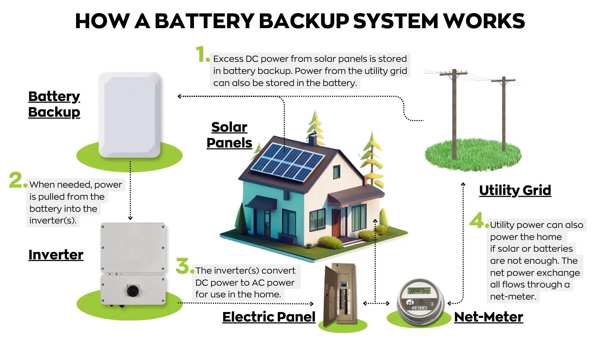
Credit: gycxsolar.com
Types Of Home Backup Batteries
Lead-acid batteriesare old but reliable. They are often used in cars. These batteries are affordable. They have a shorter lifespan than other types. They need regular maintenance. People must check water levels often. They can last 3 to 5 years with care.
Lithium-ion batteriesare popular for home use. They are lightweight and efficient. They last longer than lead-acid batteries. They require less maintenance. Their lifespan can be up to 10 years. They are more expensive but offer good value.
Flow batteriesare newer technology. They are ideal for large energy storage. They use liquid to store energy. They can last for many years. Their lifespan can be up to 20 years. They are more costly than other types.
Determining Battery Capacity
Determining battery capacity helps gauge how long a home backup battery can last. Factors like usage, battery type, and power demands influence its duration. Proper assessment ensures efficient energy management during outages.
Watt-hour Ratings
The watt-hour rating shows how much energy a battery stores. It’s like a fuel tank for electricity. A larger watt-hour rating means more energy. Batteries with higher ratings last longer. They power more devices before recharging. Understanding this helps in choosing the right battery. Watt-hours are crucial for planning energy use at home. Check this rating on your battery label.
Energy Consumption Calculations
Calculate energy use to know how long batteries last. First, list all devices you use. Write their power in watts. Find out how many hours you use each device daily. Multiply watts by hours for each device. This gives total watt-hours needed. Compare this with your battery’s watt-hour rating. This helps decide if the battery meets your needs.
Maximizing Battery Efficiency
Understanding the lifespan of a home backup battery is crucial for efficient energy use. Factors like energy consumption and battery type influence duration. Regular maintenance and smart usage can extend battery life, ensuring reliable power during outages.
Regular Maintenance
Regular maintenancehelps batteries last longer. Keep batteries clean and dry. Dust and dirt can make them weak. Check for any leaks or cracks. Fix them right away. Always use safe tools. This keeps the battery from getting hurt. A clean battery works better and lasts more.
Optimized Charging Cycles
Charging cyclesneed care. Charge the battery fully, not halfway. This keeps it strong. Do not let it drain completely. That can damage it. Use the right charger. Wrong chargers can make it weak. Follow these rules for a happy battery.
Common Misconceptions
Many believe home backup batteries last forever, but most typically provide power for a few hours only. Battery duration varies based on usage and battery capacity, often needing careful management to extend performance.
Overcharging Risks
Many people think overcharging is a big danger. But, modern batteries have built-in protections. They stop charging automatically when full. This keeps the battery safe and healthy. Smart chargers help too. They manage the charging process. So, the risk of overcharging is low. But, using the wrong charger can harm the battery. Always use the correct charger for your battery. This keeps it working well and lasting long.
Discharge Depth Impact
Discharge depth affects battery life a lot. Shallow discharges are better. They help the battery last longer. Deep discharges can cause wear and tear. Most batteries have a recommended discharge level. Keeping to this level helps. Cycling batteries at shallow depths is best. It keeps them strong and healthy. Proper care extends the life of your backup battery. Always check the battery’s guidelines for discharge levels.
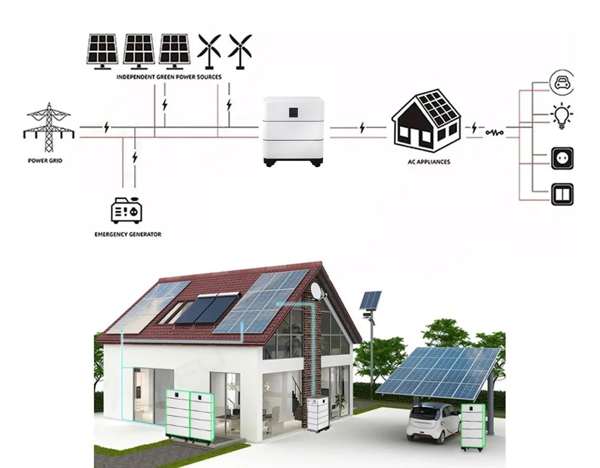
Credit: gycxsolar.com
Signs Of Battery Degradation
Dropping power output and shorter lifespan can indicate battery degradation. A home backup battery usually lasts 5 to 15 years, but efficiency decreases over time. Regular maintenance can help extend its life.
Reduced Charge Holding
Backup batteries may lose their ability to hold a charge. This means they might not last as long as they used to. If your battery drains quickly, it is a sign of degradation. You might notice that charging takes longer. This is another sign that the battery’s capacity is decreasing. Regular checks can help in spotting these issues early.
Physical Wear Indicators
Physical changes can show battery wear. A swollen battery is a clear sign. This happens when the battery’s chemicals break down. Look for any leaks around the battery. Leaks can be harmful and show serious damage. Discoloration or rust on the battery’s surface also indicates wear. Regular maintenance can help spot these signs early.
Future Of Battery Technologies
Exploring the future of battery technologies reveals how long a home backup battery can last. Battery life depends on usage, capacity, and efficiency. Most home backup batteries typically last between 5 to 15 years, providing essential power during outages.
Advancements In Energy Storage
New battery technologies are improving energy storage. Lithium-ion batteries last longer now. Solid-state batteries are safer. They store more energy in less space. Graphene batteries charge super fast. They are light and powerful. These advancements make batteries better for homes. They help store energy from the sun and wind.
Sustainability And Environmental Impact
Batteries can help the environment. Rechargeable batteries reduce waste. They can be used many times. Using clean energy saves the earth. Batteries store energy from solar and wind power. This reduces pollution from fossil fuels. Recycling old batteries protects nature. It keeps harmful materials from harming earth.
Frequently Asked Questions
How Long Can A Battery Backup Power A House?
Battery backup duration depends on its capacity and household energy use. Typically, it lasts 2-24 hours. Larger systems can power longer, especially with energy-efficient use. Energy consumption and battery capacity are key factors in determining backup duration. Plan according to your needs for optimal performance.
How Long Do House Backup Batteries Last?
House backup batteries typically last 5 to 15 years, depending on usage and maintenance. Regular inspections and proper care can extend their lifespan. Check manufacturer specifications for precise details and consider battery type for accurate longevity. Always consult professionals for optimal performance and replacement advice.
How Long Will A 10kw Home Battery Last?
A 10kW home battery can last from several hours to a day, depending on your energy consumption. Factors like appliance usage and power outages influence duration. Energy-efficient practices can extend battery life. Regular monitoring helps optimize performance and longevity.
How Long Will A Battery Backup Last Without Power?
Battery backup duration depends on capacity and usage. Most last 2-6 hours during a power outage. Check your device specifications for exact details. Regular maintenance ensures optimal performance.
Conclusion
A home backup battery offers peace of mind during power outages. It can last several hours to a few days, depending on its capacity and usage. Regular maintenance helps extend its life. Consider your home’s energy needs when choosing a battery.
Larger batteries last longer but may cost more. Keep an eye on technology advancements for better options. Investing in a reliable battery ensures your home stays powered. Be prepared for unexpected situations. Home backup batteries are essential for uninterrupted power.
Make sure to choose wisely for your specific needs.