
Have you ever wondered how long your portable generator can keep running without a break? Whether you’re facing a power outage or working off the grid, knowing your generator’s continuous run time is key to staying prepared and safe.
You’ll discover what affects your generator’s runtime and how to make it last longer when you need it most. Keep reading to get the answers that will help you make the most of your portable power source.
Credit: www.abt.com
Factors Affecting Generator Run Time
Portable generators are useful for many situations. Knowing how long they can run helps plan better.
Several factors change the run time of a portable generator. These include fuel, size, and load.
Fuel Type And Efficiency
Fuel type is very important for generator run time. Different fuels burn at different rates.
Gasoline, propane, and diesel are common fuels. Each has its own efficiency and burn speed.
- Gasoline generators usually run fewer hours per tank.
- Propane burns cleaner but may run shorter time.
- Diesel generators often run longer and are more fuel efficient.
Generator Size And Capacity
Generator size shows how much power it can make. Bigger generators hold more fuel and run longer.
Capacity affects how long the generator can run at full or partial load. A larger tank means longer run time.
- Small generators have smaller tanks and shorter run times.
- Large generators have bigger tanks and can run many hours.
- Choose size based on how much power you need.
Load And Power Requirements
Load means how much electricity the generator must produce. The higher the load, the shorter the run time.
Running many devices at once uses more fuel. Lower load makes the generator more efficient.
- High load drains fuel quickly and reduces run time.
- Running only essential devices saves fuel.
- Match load to generator capacity for best results.
Understanding Fuel Consumption
Portable generators need fuel to run. The type of fuel affects how long the generator can work without stopping.
Knowing fuel use helps you plan for power outages or outdoor activities. It also helps you choose the right generator for your needs.
Gasoline Vs. Diesel
Gasoline and diesel are the most common fuels for portable generators. Each type uses fuel differently and lasts for different times.
| Fuel Type | Fuel Efficiency | Run Time | Cost |
| Gasoline | Lower | 4 to 8 hours | Usually cheaper |
| Diesel | Higher | Up to 12 hours | Usually more expensive |
Diesel engines often run longer on less fuel. Gasoline engines are easier to find but need more fuel for the same time.
Propane And Natural Gas Options
Propane and natural gas are cleaner fuels that some portable generators can use. They burn cleaner than gasoline and diesel.
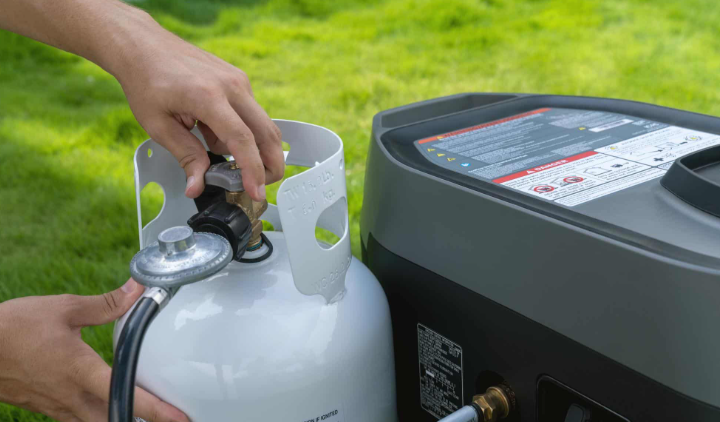
- Propane tanks are easy to store and refill.
- Natural gas connects to home lines for long-term use.
- Both fuels can run generators for many hours without refilling.
- They produce less smoke and smell compared to gasoline and diesel.
Choosing these fuels depends on your setup and how long you need power. They provide steady energy but need special generators.
Generator Maintenance And Longevity
Portable generators need good care to work longer. Proper maintenance helps avoid breakdowns. Knowing how to keep your generator in shape is key.
Regular checks and simple fixes improve your generator’s life. Focus on oil, filters, cooling, and ventilation for best results.
Oil Changes And Filters
Oil and filters keep the engine clean and running smoothly. Change the oil after the first 20 hours of use. Then, replace it every 50 hours or once a season.
- Check oil level before each use
- Use the oil type recommended by the maker
- Replace the air filter every 100 hours or sooner if dirty
- Clean or replace the fuel filter yearly
- Dispose of old oil and filters safely
Cooling And Ventilation
Generators get hot during use. Good airflow prevents overheating. Keep vents clear and avoid tight spaces.
| Cooling Tip | Why It Matters |
| Keep generator at least 3 feet from walls | Allows air to flow freely |
| Clean dust and debris from vents regularly | Prevents blockages that cause heat |
| Do not cover generator while running | Avoids trapping heat |
| Use on flat, stable surface | Ensures proper ventilation and safety |

Credit: www.jackery.com
Safety Precautions For Continuous Use
Portable generators can run for many hours but using them safely is very important. Continuous use needs extra care to avoid accidents.
Understanding the main risks helps keep you and your family safe while using a generator for a long time.
Overheating Risks
Generators can get very hot if they run for a long time without breaks. Overheating can damage the machine and cause fires.
Keep the generator in a place with good airflow to help it cool down. Check the oil and fuel levels often to keep it running smoothly.
- Place the generator on a flat, hard surface
- Keep the area around the generator clear of debris
- Turn off the generator to let it cool every few hours
- Check the oil and coolant levels regularly
- Never cover the generator while it is running
Carbon Monoxide Concerns
Generators produce carbon monoxide, a deadly gas you cannot see or smell. Using a generator indoors or in a closed space is very dangerous.
Always run the generator outside and far from windows, doors, and vents. Install carbon monoxide detectors in your home for extra safety.
- Use the generator outdoors only
- Keep it at least 20 feet away from your home
- Do not run it inside garages, basements, or sheds
- Install carbon monoxide alarms inside your home
- Turn off the generator before going to bed
Maximizing Generator Efficiency
Knowing how long a portable generator can run nonstop helps you use it well. Running it efficiently saves fuel and extends its life.
Good habits and care keep your generator working longer without problems. You can get the most from your generator by managing its load and keeping it maintained.
Load Management Tips
Keep the generator load balanced and avoid running too many devices at once. This helps the generator run smoothly and last longer.
Turn off devices that are not in use. Use energy-efficient appliances to reduce the load on the generator.
- Check the generator’s watt rating before plugging in devices
- Use essential appliances first to avoid overload
- Spread out high-power tools to different times
- Turn off lights and electronics when not needed
Regular Maintenance Practices
Clean and inspect your generator often to keep it running well. Regular maintenance prevents damage and extends running time.
Check the oil, air filter, and spark plug regularly. Replace parts as needed to avoid engine problems.
- Change engine oil after every 50 hours of use
- Clean or replace the air filter every 100 hours
- Inspect spark plugs every 100 hours and replace if worn
- Keep the generator dry and store it properly
- Run the generator monthly to keep parts lubricated
Credit: www.ecoflow.com
Choosing The Right Generator For Your Needs
Choosing the right portable generator is important for safety and efficiency. It depends on your power needs and where you plan to use it.
This guide helps you understand key points about power output and portability. It will help you decide which generator fits your situation best.
Power Output Considerations
Generators come with different power outputs. Knowing your total power needs keeps your devices running safely.
- Calculate the total wattage of all devices you want to run.
- Choose a generator with a power output higher than your total wattage.
- Consider starting watts for appliances that need extra power to start.
- Check the generator’s rated running watts for continuous use.
Portability Vs. Stationary
Decide if you need a generator you can move or one that stays put. Each has advantages and limits.
| Type | Best Use | Weight | Fuel Tank Size | Run Time |
| Portable Generator | Outdoor, Camping, Emergencies | Light to Medium | Small to Medium | 4-12 hours |
| Stationary Generator | Home Backup, Long-Term Use | Heavy | Large | Up to 24 hours or more |
Alternatives To Continuous Generator Use
Portable generators can run for many hours but using them nonstop is not ideal. Continuous use can cause wear and safety risks. There are better options to keep your power stable without running a generator all the time.
Using alternatives reduces fuel costs and noise. It also helps the environment by lowering emissions. Consider these options to support your power needs safely and efficiently.
Battery Storage Solutions
Batteries store electricity for use when you need it. They can supply power without noise or fumes. You can charge them from the grid or solar panels during the day.
Battery systems work well with portable generators. The generator can recharge batteries instead of running all day. This method lowers fuel use and generator wear.
- Store energy to use during outages or peak times
- Quiet and clean power source
- Can be combined with solar panels for free energy
- Easy to install and manage
Renewable Energy Options
Renewable energy like solar and wind can reduce reliance on generators. These sources create power without fuel and run quietly. They are good for long-term energy needs.
Solar panels are popular because they need little maintenance. Wind turbines work in areas with steady wind. Both can charge batteries or power your home directly.
- Solar panels convert sunlight into electricity
- Wind turbines generate power from wind
- Renewable sources lower fuel costs
- They reduce pollution and noise
- Can be combined with battery storage for backup power
Frequently Asked Questions
How Long Can A Portable Generator Run Nonstop?
Most portable generators run continuously for 8 to 12 hours on a full fuel tank. Runtime varies by model, load, and fuel type.
What Affects A Portable Generator’s Continuous Runtime?
Fuel capacity, engine size, and load demand mainly influence runtime. Proper maintenance also impacts how long the generator can run.
Can A Portable Generator Run 24 Hours Straight?
Running a portable generator 24 hours nonstop is possible but not recommended. Regular breaks prevent overheating and extend the generator’s life.
How Often Should I Refuel A Portable Generator?
Refuel every 8 to 12 hours, depending on the generator’s fuel tank size and load. Always refuel when the engine is off.
Conclusion
A portable generator can run for several hours, but not forever. Fuel type and tank size limit its continuous use. Always check the manual for safe running times. Avoid running it without breaks to prevent damage. Keep the generator in a well-ventilated space.
Regular maintenance helps it last longer and work better. Knowing these facts keeps you safe and prepared. Use your generator wisely for reliable power when needed. Safety first, power second.