Picture this: You’re on a thrilling outdoor adventure, surrounded by nature’s beauty, but suddenly your devices start to lose power. A portable power station is your best friend in these moments, ready to charge up your gadgets and keep the fun going.
But there’s one burning question—how long does it take to charge a portable power station? Knowing this can make all the difference between a seamless experience and a frustrating power outage. This article will dive into everything you need to know, ensuring you stay powered up and ready for anything.
Keep reading to discover the secrets behind efficient charging and how you can optimize your portable power station for maximum performance.
Charging Time Factors
Charging a portable power station depends on several factors. Battery capacity, type of charger, and power source all influence the time. Typically, charging can take anywhere from a few hours to over ten hours.
Battery Capacity
The size of the battery affects charging time. Bigger batteries take longer to charge. Smaller batteries fill up faster. Always check the battery size before charging.
Charger Output
The speed of charging depends on the charger. A high-output charger charges faster. A low-output charger takes more time. Choose the right charger for better charging speed.
Power Source
Where you plug in matters. Wall outlets charge faster than solar panels. Car chargers are slower than home chargers. Different power sources offer different speeds.

Credit: lanpwr.com
Types Of Portable Power Stations
Lithium-ion models are light and easy to carry. They charge faster compared to other types. These power stations are great for quick charges. They often have a longer lifespan. Their efficiency makes them popular for many users. You can use them in emergencies or camping trips. They also have built-in safety features. This helps prevent overcharging or overheating. Their compact size is a big advantage. You can store them in small spaces.
Lead-acid models are older but still useful. They are heavier than lithium-ion models. They take more time to charge fully. Yet, they are strong and durable. These power stations are often cheaper. They are good for long-term energy storage. You can find them in cars and large machines. They are reliable for back-up power at home. Make sure to check their water levels often. This helps them work better.
Charging Methods
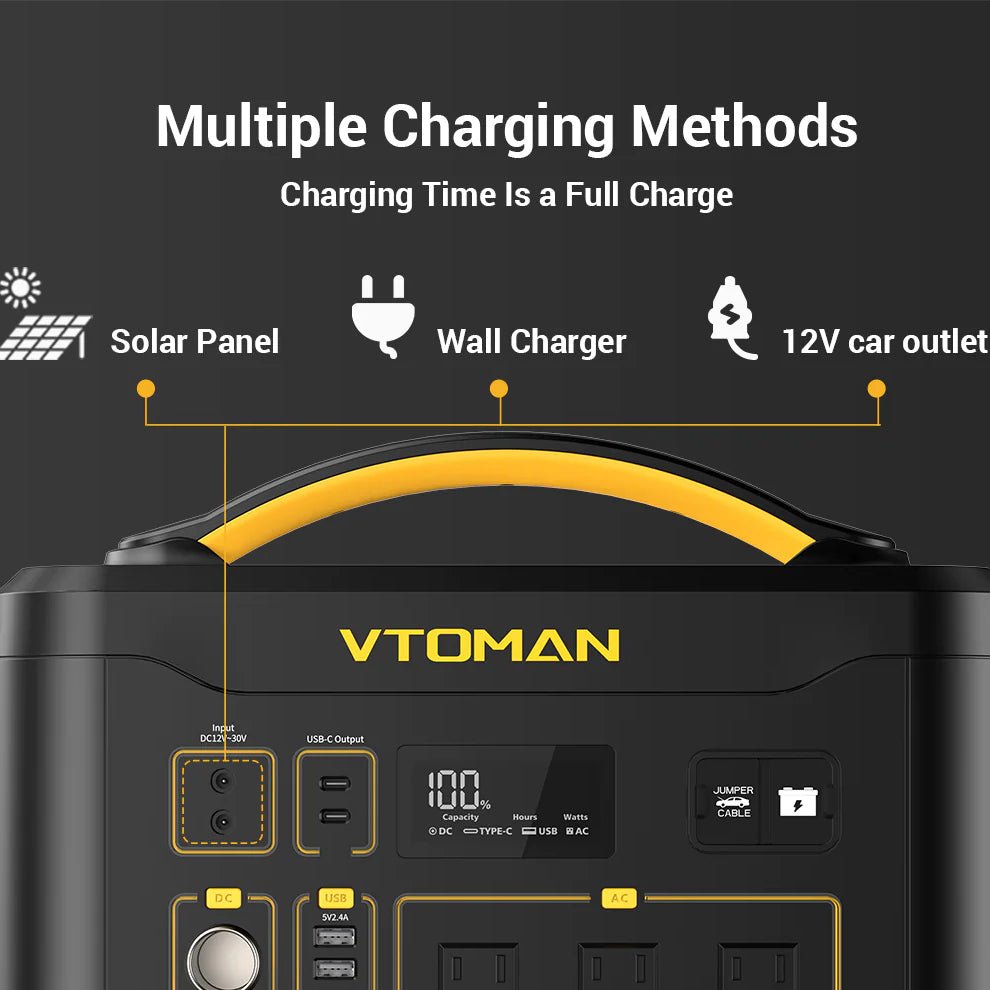
Charging methods vary for portable power stations. Wall outlets typically take around 6 to 8 hours. Solar panels might require 8 to 10 hours, depending on sunlight. Car chargers usually take 10 to 12 hours, offering convenience on the go.
Wall Outlet Charging
Charging a portable power station with a wall outlet is fast. It often takes about 4 to 6 hours to fully charge. This method is convenient and widely available. Wall outlets provide a steady power flow. Always check the power station’s manual for exact times. Some models might charge quicker than others. Ensure the outlet is working properly. This helps avoid charging issues.
Solar Panel Charging
Solar panel charging is eco-friendly but takes longer. Charging time depends on sunlight availability. It may take 8 to 10 hours on sunny days. On cloudy days, it might take more. Solar panels are great for outdoor adventures. They offer a renewable energy source. Ensure panels are clean and positioned correctly. This improves charging efficiency.
Car Charger Option
Charging through a car charger is handy during travel. It usually takes about 6 to 8 hours. The time can vary based on the car’s battery. This option is useful for long road trips. Always ensure the car is running while charging. This prevents battery drain. Car chargers are portable and easy to use.
Credit: www.amazon.com
Optimizing Charging Time
Optimizing charging time for portable power stations depends on battery capacity and charger output. A typical charge can take anywhere from 3 to 8 hours, influenced by the power source and station features.
Using Fast Chargers
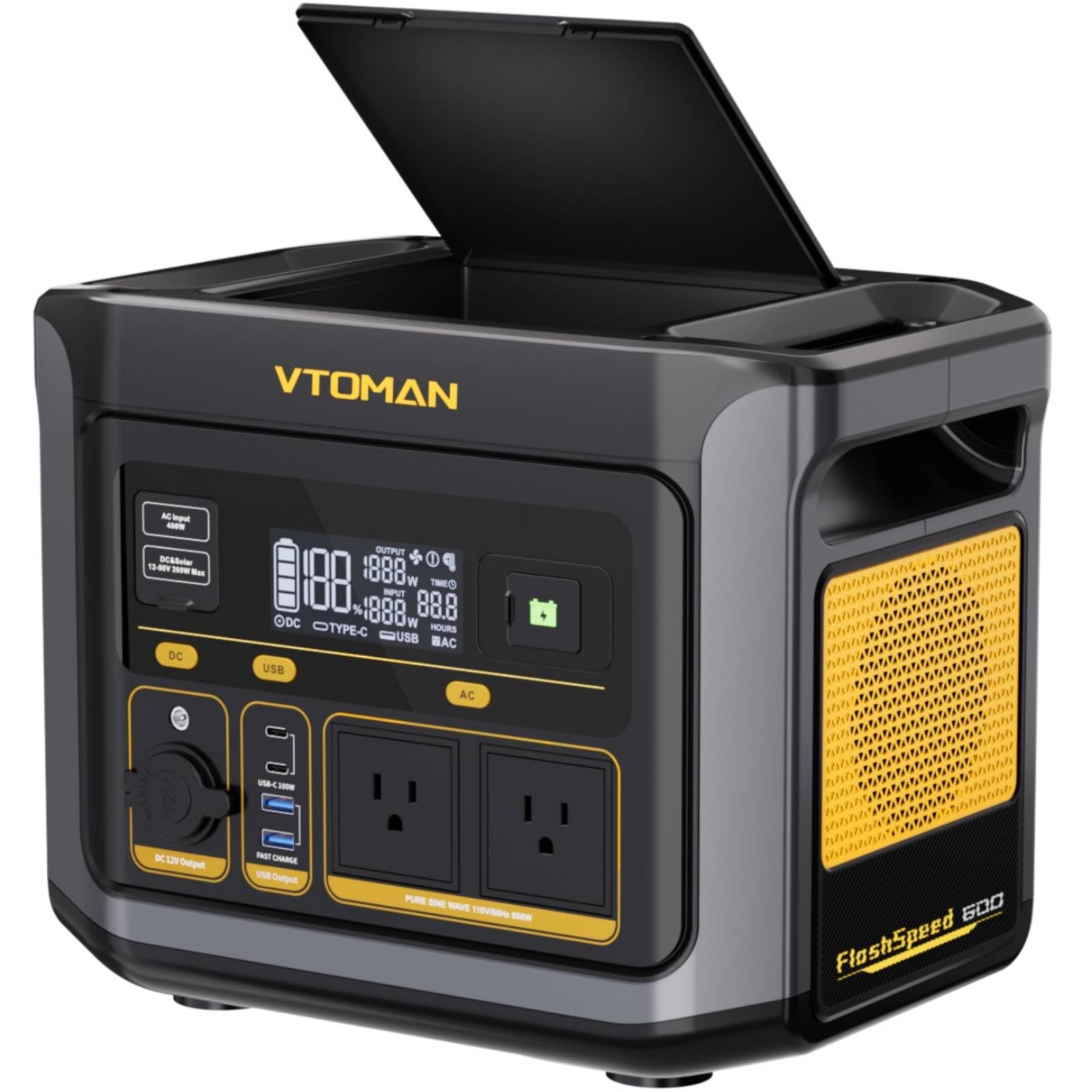
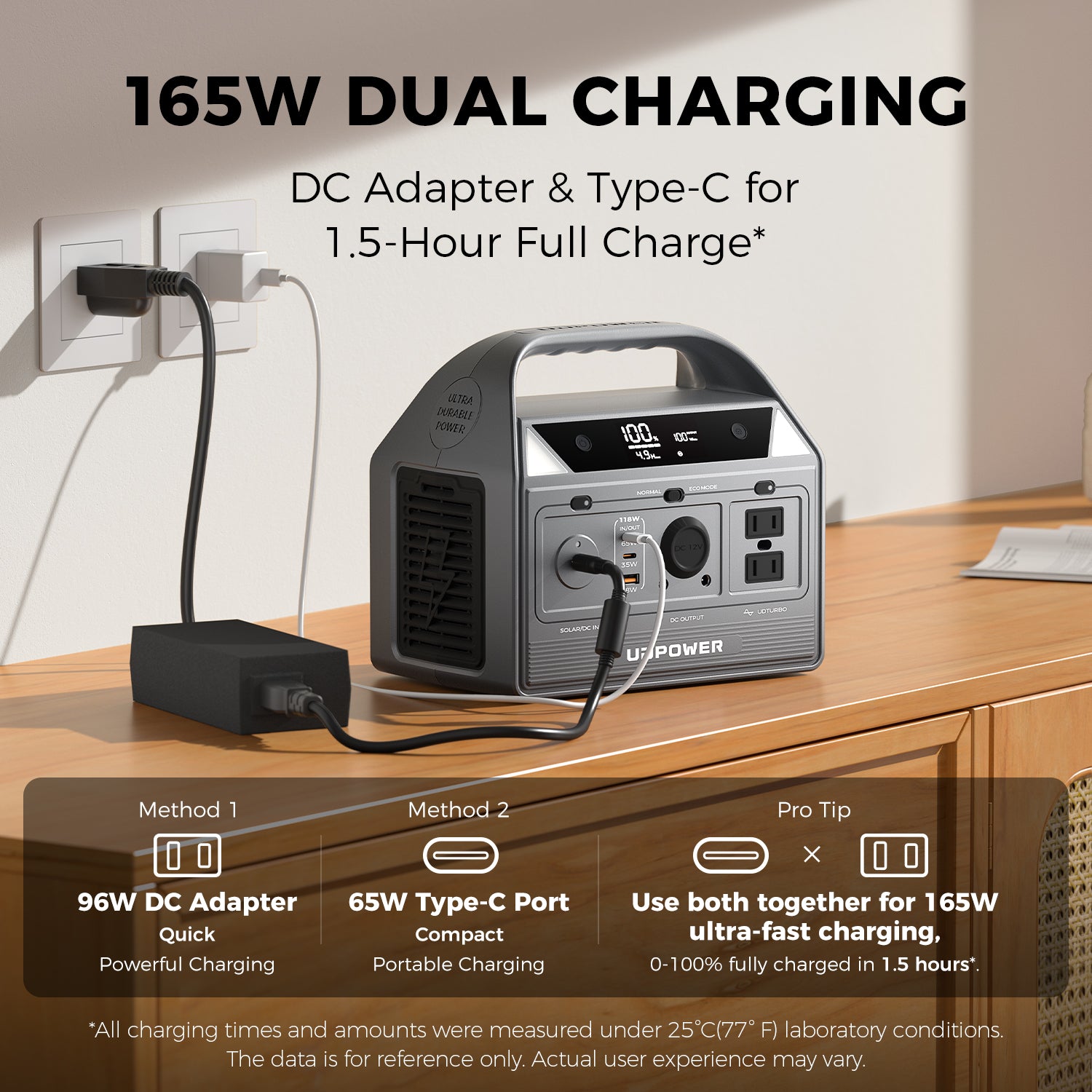
Fast chargers are a great choice for quick charging. They help charge the power station in less time. Make sure your power station supports fast charging. Check the label or manual for details. Fast chargers use more electricity. They might cost more to use. But they save time when you need power quickly. Always use a charger that matches your device’s power needs. This avoids damage and keeps it working well. Fast charging is handy for trips or emergencies.
Reducing Power Consumption
Reducing power use helps in faster charging. Turn off any unneeded devices. This lets the power station charge without interruptions. Lowering the brightness on screens saves energy. Unplug gadgets that are not in use. This helps the power station charge faster. Use energy-saving modes on your devices. This makes a big difference in charging time. Less power use means more power for charging.
Common Charging Mistakes
Overcharging can harm your portable power station. It may reduce battery life. Excessive charging leads to overheating. This can cause damage or even fires. Always unplug after a full charge. Use a timer if needed. This prevents accidental overcharging. Follow the manufacturer’s guidelines. They know the safe limits. Regular checks help keep the battery healthy.
Using the wrong charger is risky. It can damage your power station. Chargers with incorrect voltage are harmful. They might not fit properly. This can lead to loose connections. Always use the charger that came with it. Check compatibility before buying a new one. Read the specifications carefully. This ensures safe and efficient charging. Proper chargers keep your device safe.
Manufacturer Specifications
Charging times for portable power stations vary based on capacity and charger type. Some models charge in under 4 hours, while others may take up to 8 hours. Always check manufacturer specifications for accurate charging details.
Reading User Manuals
Every power station comes with a user manual. It tells you how to charge. Manuals give the charging timefor the device. You need to read the manual carefully. It helps you understand the charging process. Manuals explain the voltage and powerneeds. Follow the steps listed in the manual.
Understanding Charging Cycles
Charging cycles show how often a device can be charged. It is important for the device’s life. A full cycle means one complete charge. Some devices have short cycles. Others need longer cycles to fully charge. Knowing cycles helps you manage chargingbetter. It also helps in keeping the power station healthy.
Credit: udpwr.com
Frequently Asked Questions
How Long Does A Power Station Take To Charge?
Charging time for a power station varies by model and battery size. Typically, it takes 4 to 12 hours. Faster charging is possible with higher wattage chargers. Check the manufacturer’s instructions for exact details.
How To Know If The Portable Power Station Is Fully Charged?
Check the power station’s display or indicator light. It shows charging status and battery level. Verify manufacturer’s guidelines for charging completion.
Can I Leave My Portable Power Station Plugged In All The Time?
Leaving your portable power station plugged in constantly is not advisable. It may reduce battery lifespan and risk overheating. Always check the manufacturer’s guidelines for specific charging instructions to ensure safety and longevity of your device. Unplugging when fully charged is generally recommended.
How Long Do Portable Power Stations Last Per Charge?
Portable power stations last 3 to 12 hours per charge, depending on capacity and usage. Charging phones uses less energy than running appliances. Regular maintenance extends lifespan, ensuring optimal performance. Always check specifications for exact battery life before purchasing.
Conclusion
Charging a portable power station varies by model and capacity. Smaller units charge faster than larger ones. Factors like outlet type and battery size affect charging time. Some models offer quick charge options for convenience. Always check the manufacturer’s guidelines for precise information.
Regular use ensures familiarity with your device’s needs. Understand your power station’s capabilities to avoid surprises. Keep your device ready for trips or emergencies. Portable power stations are handy tools for modern life. Proper charging ensures they work when you need them most.
Plan ahead, stay powered, and enjoy reliability.