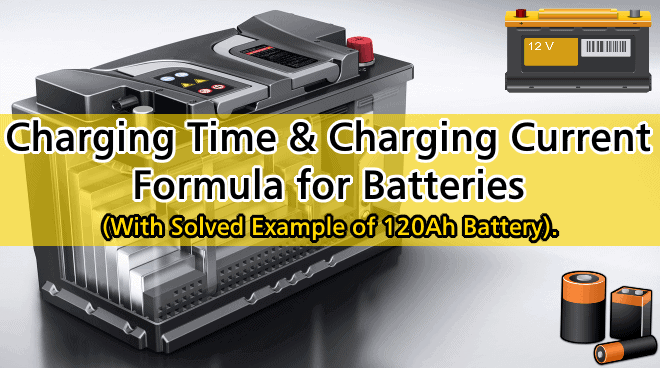
You rely on your generator to keep things running smoothly when the power goes out. But have you ever wondered how long you should charge the generator battery to ensure it works when you need it most?
Getting this right can mean the difference between a seamless power transition and a frustrating blackout. Imagine the peace of mind you’ll have knowing your generator battery is always ready to go. This blog post will guide you through everything you need to know about charging your generator battery efficiently.
Stay with us to discover simple tips and expert advice that will keep you powered up and prepared.
Types Of Generator Batteries
Lead-acid batteriesare common for generators. They are heavy but cost less. These batteries need regular charging and maintenance. Charging time depends on the battery size and charger power. Typically, it takes about 8 to 12 hours to fully charge a lead-acid battery.
Lithium-ion batteriesare lighter and last longer. They charge much faster than lead-acid types. Usually, they need 2 to 4 hours for a full charge. These batteries are more expensive but require less maintenance.
Nickel-cadmium (NiCd) batteriesare strong and work well in cold weather. They have a long life but can be pricey. Charging time ranges from 3 to 5 hours. NiCd batteries handle deep discharges better than others.
Credit: battlebornbatteries.com
Factors Affecting Charging Time
Battery capacity and sizegreatly influence charging time. Larger batteries take longer to fill. Small batteries charge faster but hold less power.
Charger output and typealso matter. Chargers with higher output charge batteries quicker. Some chargers have smart features that protect battery life.
Battery age and conditionaffect how fast it charges. Old or damaged batteries may take more time or not fully charge.
Temperatureimpacts charging speed. Cold weather slows down the process. Warm temperatures help batteries charge faster but avoid overheating.
Charging Methods For Generator Batteries
Slow charginguses low current to fill the battery safely. It takes about 8 to 12 hoursto fully charge. This method helps the battery last longer and avoid overheating. Good for regular maintenance.
Fast charginguses higher current to fill the battery quickly. Usually takes 1 to 3 hours. It is useful when you need the generator ready fast. But it can reduce battery life if used often.
Trickle chargingsupplies a small current continuously. It keeps the battery full and healthy over time. Ideal for batteries not used often or in storage. Charges very slowly but keeps battery ready.
Typical Charging Times By Battery Type
Lead-acid batteriesusually take the longest time to charge. They need about 8 to 12 hoursfor a full charge. Slow charging helps keep them healthy and last longer.
Lithium-ion batteriescharge faster. They often reach full charge in 2 to 4 hours. These batteries hold charge well and work efficiently in generators.
Nickel-cadmium batteriesfall between the two. They usually take around 4 to 6 hoursto fully charge. These are sturdy and handle many charge cycles.
Signs Of A Fully Charged Generator Battery
Voltage levelsindicate if the generator battery is fully charged. A fully charged battery shows about 12.6 to 12.8 volts. Lower voltage means the battery is still charging or weak. Check the voltage with a multimeter for accuracy.
- Battery indicatorsoften show a green light or a full bar.
- Some batteries have built-in hydrometers that change color to show charge status.
- A red or yellow indicator usually means charging is not complete.
Charger signalsare important to watch during charging. Many chargers have lights or sounds:
- Green lightmeans charging is complete.
- Flashing lightmay mean charging is in progress.
- Check the charger manual for specific signals.
Credit: vocal.media
Tips To Maximize Charging Efficiency
Keep the battery clean and terminals free of dirt. Check fluid levels often. Proper maintenance helps the battery last longer and charge better.
Use a charger designed for your generator battery type. Chargers with automatic shutoff avoid damage. This ensures safe and fast charging.
- Stop charging once the battery is full.
- Avoid leaving the charger connected for too long.
- Overcharging can reduce battery life and performance.
Charge in a dry, cool place, away from direct sunlight. Extreme heat or cold slows charging and harms the battery. A stable environment boosts efficiency.
Common Charging Mistakes To Avoid
Using a charger that does not match your generator battery can cause damage. Chargers have different voltages and currents. A wrong charger may overcharge or undercharge the battery. This shortens battery life and reduces performance.
Battery health is often ignored during charging. A worn-out or damaged battery will not charge well. Check battery terminals for corrosion and clean them. Replace batteries that do not hold charge properly.
Charging in very hot or cold places harms the battery. Extreme heat speeds up chemical reactions, causing damage. Cold slows charging and reduces battery capacity. Always charge batteries in a place with moderate temperature.
Safety Precautions During Charging
Charging a generator battery needs careful attention to avoid overcharging or damage. Always charge in a well-ventilated area and monitor the battery to stop charging at the right time. Following manufacturer guidelines helps keep the battery safe and lasts longer.
Handling Battery Acid
Battery acidcan cause serious burns. Always wear protective glovesand goggles. Avoid touching your face or eyes after handling the battery. Clean any spills immediately with a mixture of baking soda and water. Keep batteries away from children and pets for safety.
Proper Ventilation
Charging a batteryreleases gases that can be harmful. Ensure you charge in a well-ventilatedarea. Open windows or use fans to keep air moving. Avoid charging in small, closed spaces to prevent gas build-up. This reduces the risk of explosionsand breathing problems.
Preventing Electrical Hazards
- Use a chargerthat fits your battery type and voltage.
- Check all cables and connectionsfor damage before charging.
- Keep the charger and battery dry to avoid short circuits.
- Do not leave the battery unattended while charging.
- Disconnect the charger once charging is complete to prevent overcharging.

Credit: bslbatt.com
Frequently Asked Questions
How Long Does It Take To Charge A Generator Battery?
Charging a generator battery typically takes 4 to 8 hours. The exact time depends on battery size and charger output. Using a smart charger can optimize charging time and battery life. Always follow manufacturer guidelines for best results.
Can I Overcharge My Generator Battery?
Yes, overcharging can damage the battery and reduce lifespan. Modern chargers often have automatic shutoff to prevent overcharging. Always monitor charging and disconnect once fully charged. Proper charging protects battery health and ensures reliable generator start-up.
What Affects Charging Time For Generator Batteries?
Charging time depends on battery capacity, charger amperage, and battery condition. Larger batteries take longer to charge. A low-amp charger increases charging duration. Regular maintenance improves charging efficiency. Environmental temperature also influences charging speed and battery performance.
How Often Should I Charge A Generator Battery?
Charge the battery at least once every 30 days if not in use. Regular charging prevents sulfation and maintains battery capacity. For frequent use, recharge after each run. Consistent charging ensures the generator starts reliably when needed.
Conclusion
Charging a generator battery takes time and care. Most batteries need several hours to charge fully. Always check the battery type and charger instructions. Avoid overcharging to keep the battery healthy. Regular charging helps the generator work well when needed.
Keep the battery clean and dry for best results. Remember, a well-charged battery means reliable power during outages. Simple steps can extend your battery’s life and save trouble later. Stay patient and follow guidelines for safe charging every time.