
Imagine you’re working on an important project, and suddenly, the power goes out. You rely on your UPS battery to keep your devices running.
But what if it doesn’t? Knowing when to replace your UPS battery is crucial to avoid unexpected interruptions. You might wonder, “How often should you replace a UPS battery? ” This question is more important than you think, as it affects your productivity and peace of mind.
By understanding the lifespan of your UPS battery, you can prevent disruptions and protect your valuable equipment. You’ll discover the signs that indicate it’s time for a replacement, ensuring your work and data remain safe. Ready to ensure your UPS battery never fails you? Let’s dive into the details.
Credit: tripplite.eaton.com
Importance Of Ups Battery Replacement
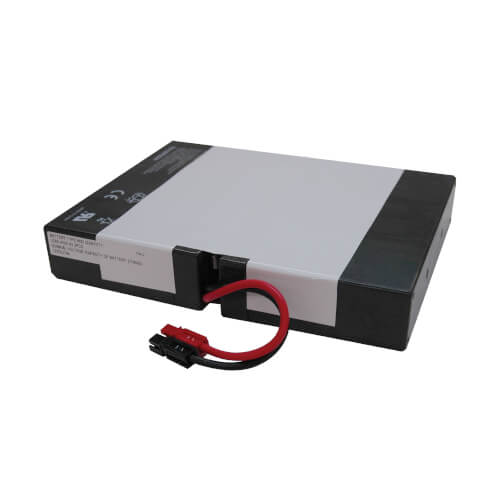
Replacing a UPS battery is crucial for device protection. Batteries lose their power over time. A weak battery can’t save devices from sudden power cuts. This might harm computers and electronics. Regular replacement ensures devices stay safe and work well.
Most batteries last two to three years. Check the battery regularly for signs of wear. Look for swelling or leaks. These signs mean it’s time to replace the battery.
Keeping devices safe is important. A strong battery helps devices work during power cuts. Make sure to replace the battery on time. This keeps everything running smoothly. It avoids damage to important devices. Protect your equipment with a fresh battery.
Signs Your Ups Battery Needs Replacement
Frequent power interruptions, reduced battery runtime, or unusual noises could signal the need for a UPS battery replacement. Ideally, replace the UPS battery every 3 to 5 years to ensure optimal performance and protection for your devices. Regular checks help maintain efficiency and prevent unexpected failures.
Frequent Power Loss
Frequent power loss can signal a failing UPS battery. If your UPS turns off often, the battery might be weak. This is a clear sign it needs a check. A healthy UPS should provide steady power. If not, consider a replacement.
Unusual Battery Indicators
Unusual indicators show the battery might be in trouble. This includes blinking lights or strange beeping sounds. These alerts mean the battery isn’t working right. It’s important to listen to these signs.
Physical Damage Or Leakage
Physical damage or leakage is a red flag. Cracks or bulges on the battery are bad signs. Leakage can harm the UPS and surrounding area. A leaking battery is dangerous and should be replaced quickly.
Factors Affecting Battery Lifespan
UPS batterieswear out faster with more use. Frequent power outages cause them to work harder. This reduces their lifespan. Less frequent use can extend their life. Regular testing is important. It helps ensure reliable performance.
Temperature plays a big role in battery life. High heat can damage batteries. Cold can slow their performance. Keep them in a cool, dry place. Avoid areas with extreme temperatures. Clean surroundings help. Dust and moisture can harm batteries.
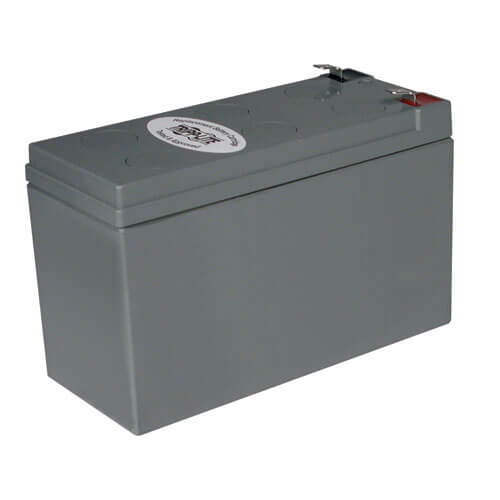
Different types have different lifespans. Lead-acid batteries last 3-5 years. Lithium-ion batteries can last up to 10 years. Each type has different maintenance needs. Knowing your battery type is important. It helps plan replacements better.
Credit: tripplite.eaton.com
Recommended Replacement Intervals
Replace a UPS battery every 3-5 years to ensure optimal performance. Regular checks can help identify early signs of wear. Consistent replacement prevents power interruptions and extends device lifespan.
General Guidelines
UPS batteries should generally be replaced every 3 to 5 years. This ensures your devices stay powered during outages. It’s important to monitor the battery’s performance regularly. Keep an eye on any warning signs like reduced backup time. This helps in maintaining optimal efficiency. Regular checks can prevent sudden power failures. Always store your UPS in a cool, dry place. This can extend the battery life significantly.
Manufacturer Recommendations
Manufacturers often provide specific replacement timelines. These can vary based on the battery type and brand. Some brands recommend replacing batteries every 2 to 3 years. Others might suggest a 4-year interval. Always refer to the user manual for precise guidelines. Following the manufacturer’s advice can improve battery performance. It also ensures the safety of your equipment. Keep documentation handy for warranty claims, if needed.
Steps To Replace A Ups Battery
Replacing a UPS battery every 3-5 years ensures optimal performance. Start by turning off the UPS and unplugging it. Carefully remove the old battery and insert the new one, ensuring connections are secure.
Safety Precautions
Always wear protective gloves and goggles. Ensure the UPS is turned off. Unplug it from the wall socket. This prevents any accidental shocks. Keep a fire extinguisher nearby for safety. Work in a well-ventilated area. Batteries can release harmful gases. Make sure kids and pets are not around.
Removal Process
Locate the battery compartment on the UPS. Use a screwdriver to open it if needed. Carefully disconnect the battery cables. Remember the cable positions for later. Gently remove the old battery. Avoid tilting it too much. Old batteries can leak. Place it in a safe spot for disposal.
Installation Of New Battery
Take the new battery out of the box. Make sure it matches the old one. Connect the cables to the new battery. Follow the same positions as before. Slide the battery into the compartment. Secure it with screws if needed. Close the battery cover. Plug the UPS back in. Turn it on and check if it works.
Maintaining Your Ups Battery
Consider replacing your UPS battery every three to five years. Regular checks help ensure reliable performance.
Regular Testing
Testing your UPS battery is very important. Check the battery every month. Look for signs of wear. A worn battery can fail during power outages. Regular testing helps you spot issues early. Replace the battery if it shows problems.
Proper Storage
Store your UPS battery in a cool place. Heat can damage the battery. Keep it dry and away from direct sunlight. Proper storage extends battery life. Make sure the battery is not near flammable materials. Safety is key.
Avoiding Overuse
Using the UPS battery too much can shorten its life. Use it only when needed. Turn off devices when not in use. Avoid leaving the UPS on all the time. Overuse can lead to frequent replacements.
Benefits Of Timely Battery Replacement
Timely UPS battery replacement prevents unexpected downtime and extends the life of your equipment. Generally, replace batteries every 3 to 5 years for optimal performance.
Ensuring Continuous Power Supply
Replacing your UPS battery on time keeps the power running. No sudden shutdowns mean your gadgets stay safe. Consistent power helps your devices perform better. Your work never stops, even during power cuts. It keeps your data secure and your systems operational. Reliable energy is essential for home and office setups.
Extending Ups Lifespan
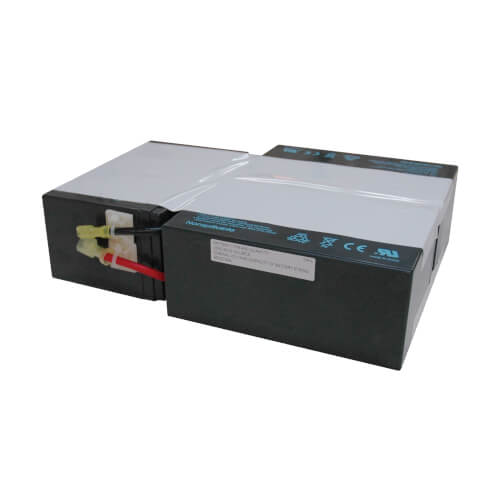
Changing batteries regularly helps your UPS last longer. Old batteries can harm the UPS unit. New batteries keep the UPS healthy and efficient. This saves you money on repairs and replacements. A well-functioning UPS protects your equipment from damage. It provides peace of mind during outages and spikes.
Credit: tripplite.eaton.com
Frequently Asked Questions
How To Tell If Ups Battery Needs Replacing?
Check for frequent power interruptions or beeping sounds. UPS not holding charge indicates a battery issue. Inspect for swelling or leakage. Reduced runtime or failure during power outages suggests replacement. Regularly test the UPS system to ensure efficiency.
What Is The Life Expectancy Of A Ups Battery?
A UPS battery typically lasts 3 to 5 years. Regular maintenance can extend its lifespan. Factors like usage and environment affect longevity. Ensure proper ventilation and avoid overloading the UPS. Replace the battery promptly when performance declines to maintain reliability.
What Is The Ups Battery Rule?
The UPS battery rule mandates that batteries should be replaced every 3-5 years. Regular testing ensures performance reliability. Proper disposal of old batteries is crucial for environmental safety. Follow manufacturer guidelines for maintenance and replacement to optimize UPS efficiency. Regular checks help prevent unexpected power failures.
How Can I Tell If My Ups Battery Is Healthy?
Check the UPS battery’s charge time and capacity regularly. Ensure it holds charge effectively. Look for any swelling or leaks. Perform a load test to see if it supports connected devices. Replace if it shows poor performance or physical damage.
Conclusion
Replacing a UPS battery ensures reliable power support. Most batteries last 3-5 years. Regular checks help spot issues early. Listen for warning signals, like beeping. Visual inspections can catch leaks or bulges. Always follow manufacturer guidelines for safety. Proper maintenance extends battery life.
Store batteries in cool, dry places. Avoid overloading your UPS. Efficient usage saves energy and costs. Keeping a spare battery handy is wise. This minimizes downtime during replacements. Stay prepared, and your devices remain protected. A reliable UPS means peace of mind.