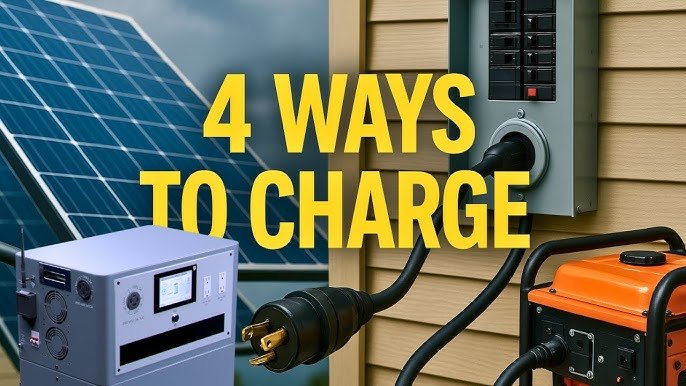
Are you tired of the constant hum of your generator and the rising costs of traditional fuel? Imagine harnessing the power of the sun to keep your generator battery charged without the hassle of cords or fuel.
By tapping into solar energy, you can enjoy a clean, efficient, and cost-effective way to ensure your generator is always ready when you need it. In this guide, you’ll discover simple, step-by-step methods to charge your generator battery with solar power.
Whether you’re a solar novice or a seasoned enthusiast, you’ll find practical tips that fit your lifestyle and needs. Ready to embrace a greener way to power up? Let’s dive in and transform the way you charge your generator battery!
Benefits Of Solar Charging
Solar chargingsaves money by using free sunlight instead of paid electricity. It lowers your energy bills and cuts fuel costs for generators. Over time, these cost savingsadd up and help your budget.
Using solar power helps protect the environment. It reduces pollutionand cuts down on harmful gas emissions. Solar energy is clean and renewable, so it does not harm the planet.
- Solar panels are easy to carry and set up anywhere.
- You can charge your generator battery outdoors without wires.
- This portability and conveniencemake solar charging great for camping and emergencies.

Credit: batteryevo.com
Types Of Generator Batteries
Lead-acid batteriesare common in generators. They are heavy but cost less. They need regular water checks to work well. These batteries charge slower but are reliable.
Lithium-ion batteriesare lighter and last longer. They charge faster and hold more power. These batteries cost more but need less care. They work well with solar charging.
Nickel-cadmium batterieshandle high temperatures well. They last a long time and work in tough conditions. These batteries need special chargers and cost more than lead-acid.
Choosing The Right Solar Panel
Choosing the right solar panel is key to charging your generator battery well. The panel size and capacityshould match the battery’s needs. A bigger panel produces more power, but it must fit your space and budget.
Check the efficiency ratingsto find panels that turn sunlight into electricity well. Higher efficiency means more power from less sunlight. This is important in cloudy or shaded areas.
Durability and weather resistancematter a lot. Panels should withstand rain, wind, and sun without damage. Look for panels with good warranties and strong frames to last long outdoors.
Essential Solar Charging Components
Charge controllerskeep the battery safe. They stop overcharging and deep discharging. This helps the battery last longer.
Cables and connectorslink the solar panel, charge controller, and battery. Use thick cables to carry power well. Good connectors stop power loss and ensure safety.
Mounting equipmentholds solar panels in place. It should be strong and able to face the sun. Proper mounting helps the panel get more sunlight and work better.
Preparing The Setup
Safetyis key before starting any solar charging setup. Wear gloves and eye protection to avoid injuries. Make sure all equipment is turned off during installation. Keep tools dry and organized to prevent accidents.
Solar panels need proper positioningfor best sunlight capture. Place panels where they get direct sun for most of the day. Avoid shading from trees or buildings. Tilt the panels at an angle that matches your location’s latitude.
Check the battery carefully before charging. Look for cracks, leaks, or corrosion on terminals. Use a voltmeter to measure the battery’s voltage. Ensure the battery is clean and dry. A damaged battery may not charge well and can be unsafe.
Step-by-step Charging Process
Connect the solar panelsto the charge controllerusing the correct cables. Ensure all connections are tight and secure. The charge controller helps regulatethe power coming from the panels.
Link the charge controllerto the generator battery. Use the proper battery terminals and cables. Double-check the polarityto avoid damage.
- Check the controller’s display for charging status.
- Look for green or blue lights indicating active charging.
- Monitor voltage levels to prevent overcharging.
- Keep an eye on battery temperature for safety.
Troubleshooting Common Issues
Low charging efficiencymay happen due to weak sunlight or dirty solar panels. Clean panels regularly to keep them working well. Check the angle of the panels; they should face the sun directly for best power. Wiring problems can also reduce efficiency, so inspect cables and connections.
Battery not chargingcan be caused by loose connections or faulty charge controllers. Make sure all wires are tight and free from damage. Test the controller with a multimeter to see if it works right. Sometimes, the battery itself may be old or damaged and needs replacement.
Overcharging and protectionare important to avoid battery damage. Use a solar charge controller with built-in protection features. This device stops charging when the battery is full. Overcharging shortens battery life and can cause leaks or explosions.

Credit: www.jackery.com
Maintaining Your Solar Charging System
Cleaning solar panelskeeps them free from dust and dirt. This helps panels absorb more sunlight. Use a soft cloth or sponge with water. Avoid harsh chemicals that can damage the surface. Clean panels every few months for best results.
Checking battery healthis key for good performance. Look for swelling, leaks, or corrosion on terminals. Measure voltage regularly using a multimeter. Replace batteries that show signs of damage or low voltage.
Inspecting system componentsensures everything works well. Check wires for cuts or loose connections. Look at the charge controller for error lights. Test solar panel output with a voltmeter. Fix or replace broken parts quickly to avoid bigger issues.

Credit: www.jackery.com
Frequently Asked Questions
How Does Solar Charging Work For Generator Batteries?
Solar panels convert sunlight into electricity, which charges the generator battery. A charge controller manages voltage to prevent overcharging. This setup offers a renewable, cost-effective way to maintain battery power for your generator.
What Equipment Is Needed To Charge A Generator Battery With Solar?
You need solar panels, a charge controller, and connecting cables. Optionally, a solar battery charger adapter can simplify connections. These components work together to safely transfer solar energy to the generator battery.
Can Solar Charging Extend Generator Battery Life?
Yes, solar charging helps maintain optimal battery voltage, preventing deep discharge. Consistent charging reduces wear and improves battery lifespan. Using solar energy also lowers reliance on grid power, making it eco-friendly.
How Long Does It Take To Charge A Generator Battery With Solar?
Charging time depends on battery capacity and solar panel wattage. On average, it takes 6 to 12 hours of good sunlight. Weather conditions and panel positioning also affect charging speed.
Conclusion
Charging your generator battery with solar power saves money and energy. Solar panels provide clean, renewable power for your battery. Just connect the solar charger properly and monitor the battery’s voltage. Keep the panels in sunlight for the best results.
This method helps your generator stay ready without using fuel. It’s simple, eco-friendly, and reliable. Try it to enjoy quieter and greener power backup. Solar charging keeps your battery healthy and your generator running smoothly. A smart choice for anyone wanting easy and safe battery charging.