
Picture this: It’s a stormy night, and your trusty generator is your only source of power. But what if it suddenly stops working?
One common reason might be low oil levels. Thankfully, there’s a simple solution that doesn’t involve getting your hands dirty. By using a sensor, you can easily check your generator’s oil level and ensure it’s always ready to spring into action when you need it most.
In this guide, you’ll discover the straightforward steps to check your generator’s oil level with a sensor. You’ll gain peace of mind, knowing your generator is running smoothly and efficiently. Plus, it’s easier than you think! Ready to ensure your backup power is always reliable? Let’s dive in and explore how you can master this essential maintenance skill.
Credit: grastengenerators.com
Importance Of Monitoring Oil Levels
Monitoring the oil levelin a generator is crucialto avoid engine problems. Low oil can cause serious damageand expensive repairs. A sensor helps by giving accurate readingsquickly and easily.
Keeping the oil at the right level ensures the engine runs smoothlyand efficiently. It prevents overheatingand reduces wearon parts. This means the generator lasts longer and works better.
- Protects the engine from damage
- Keeps the generator performing well
- Alerts early to low oil levels
- Helps avoid costly repairs
Types Of Oil Level Sensors
Float sensorswork by floating on the oil surface. They move up and down as oil level changes. This movement triggers a switch or sends a signal. These sensors are simple and reliable. They do not need power to detect oil level.
Capacitive sensorsmeasure changes in capacitance caused by oil level. Oil acts as a dielectric material. When oil level changes, capacitance value changes. This sensor sends an electric signal proportional to oil level. They are precise and work well in harsh conditions.
Optical sensorsuse light to detect oil level. Light is sent through a prism or lens. Oil changes how light bends or reflects. The sensor detects this change to know the oil level. These sensors are small and fast but may need clean surfaces.
Preparing For Oil Level Check
Always wear protective glovesand safety gogglesto avoid injury. Make sure the generator is turned offand coolbefore checking oil. Avoid touching hot parts or moving components. Work in a well-ventilated areato prevent inhaling fumes. Keep the area clean and free of oil spills.
Gather these tools before starting:
- Clean clothfor wiping the sensor or dipstick
- Flashlightto see sensor or oil level clearly
- Owner’s manualfor specific instructions
- Containerfor used oil if needed
- Glovesto protect hands
Step-by-step Oil Level Check Using Sensor
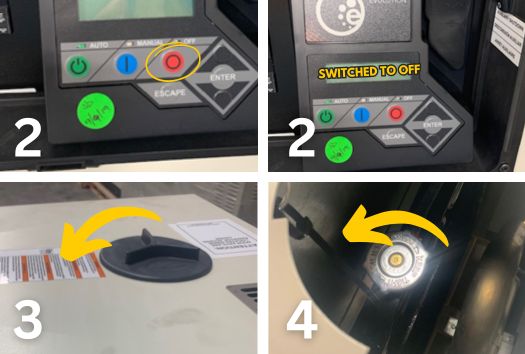
Find the oil level sensoron the generator. It is usually near the oil reservoir or dipstick area. Make sure the generator is off and cool before checking.
Use the generator’s control panel or a connected device to read the sensor data. The sensor sends a signal that shows the oil level. This data may appear as a number or a bar on the display.
| Sensor Reading | Oil Level Status | Action Needed |
|---|---|---|
| Full | Oil level is sufficient | No action required |
| Low | Oil level is below safe limit | Refill oil immediately |
| Error or No Signal | Sensor may be faulty or disconnected | Check sensor wiring or replace sensor |
Troubleshooting Sensor Issues
Sensor problems can cause wrong oil level readings. Common sensor malfunctions include:
- Dirty sensor surfaceblocking signals.
- Loose wiringcausing connection issues.
- Damaged sensorfrom oil leaks or heat.
- Software glitchesaffecting data display.
Calibration helps sensors give accurate oil level data. Follow these tips:
- Turn off the generator before calibrating.
- Use the manufacturer’s guidefor exact steps.
- Ensure the oil is at the right level during calibration.
- Reset the sensor software if possible.
- Test sensor readings after calibration.
Maintaining Generator Oil Levels
Maintaining the right oil levelin your generator is key to its good health. The oil sensorhelps check the oil level easily. Use recommended oil typesto keep the engine safe and running well.
| Oil Type | Viscosity | Use Case |
|---|---|---|
| SAE 10W-30 | 10W-30 | Most generators in moderate climates |
| SAE 15W-40 | 15W-40 | Heavy-duty and high-temperature use |
| SAE 5W-30 | 5W-30 | Cold climate or winter use |
Check oil every 50 hours of useor monthly. Change oil after 100 hoursor as the manual says. Keep the sensor clean for accurate readings.
Benefits Of Using Sensors Over Manual Checks
Using sensors to check generator oil level offers higher accuracythan manual checks. Sensors detect even small changes in oil levels quickly. This helps prevent damage from low oil.
Sensors provide great convenience. No need to open the generator or stop it to check oil. This saves time and effort for users.
Real-time monitoring keeps you informed every moment. Alerts can be sent if oil is too low or too high. This helps in quick actionto avoid engine problems.
- Improves safety by preventing engine damage
- Reduces maintenance costs
- Easy to install and use
- Works in all weather conditions
Credit: www.electriciantalk.com

Credit: westinghouse.com
Frequently Asked Questions
How Does A Generator Oil Level Sensor Work?
A generator oil level sensor detects the oil amount inside the engine. It sends signals to the control panel. This helps prevent engine damage by alerting low oil levels promptly.
Why Check Generator Oil Level With A Sensor?
Using a sensor ensures accurate and real-time oil level monitoring. It reduces manual checks, preventing engine wear and costly repairs. Sensors improve maintenance efficiency and safety.
Can I Rely Solely On The Oil Level Sensor?
While sensors are reliable, regular manual checks are recommended. Sensors might fail or give false readings. Combining both methods ensures optimal generator performance and longevity.
How Often Should I Check Generator Oil Level With Sensor?
Check the oil sensor readings before every generator use. Regular monitoring helps detect leaks or oil consumption issues early. Follow manufacturer guidelines for maintenance schedules.
Conclusion
Checking your generator’s oil level with a sensor is simple and quick. The sensor gives clear signals about oil status. Regular checks help avoid engine problems and costly repairs. Keep your generator running smoothly and safely by watching the oil level often.
This small step saves time and money in the long run. Trust the sensor to guide you and keep your generator healthy.