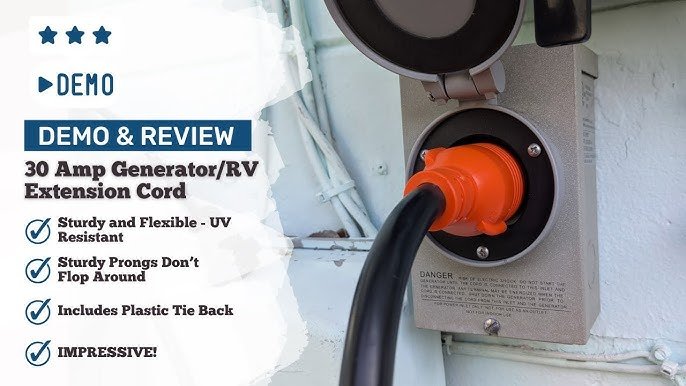
Imagine the power of having electricity at your fingertips, even in the most remote corners of your backyard or during unexpected power outages. You have a generator ready, but how do you safely connect it to an extension cord?
This task may seem daunting, but it’s actually quite simple—and crucial for maximizing the convenience and reliability of your power source. Understanding the correct way to connect an extension cord to a generator ensures your safety and the longevity of your equipment.
You don’t want to risk damaging your appliances or worse, putting yourself in danger due to improper connections. But don’t worry, you’re about to learn exactly how to do it right. This guide will walk you through the process step by step, providing clear instructions and helpful tips. By the end, you’ll feel confident in your ability to set up your generator safely and efficiently. So, if you’re ready to unlock the full potential of your portable power source, keep reading—you won’t want to miss a single detail!
Safety Precautions
Ensure the generator is off before connecting the extension cord. Use a cord rated for outdoor use to prevent hazards. Check for any damage on the cord, like frayed wires, to guarantee safety.
Inspecting The Equipment
Check the extension cord for cuts and cracks. Make sure the plug fits snugly into the generator. Look for any exposed wires. Test the cord connections before use. A safe cord prevents accidents. Always use a cord in good condition.Understanding Electrical Load
Know the power of your appliances. Add up their wattage. Use a cord that can handle the total load. Overloading can cause fires or damage. Keep load within cord limits. Consult the generator manual for guidance.Weather Considerations
Avoid wet conditions. Rain can cause electric shocks. Keep cords dry and elevated. Use plastic covers for connections. Protect the generator from rain. Safe setups work in all weathers. Always prioritize safety. `
Credit: www.facebook.com
Choosing The Right Extension Cord
Choosing the right cord lengthis very important. A long cord may lose power. A short cord might not reach the place you need. The gaugeof the cord is also crucial. Thicker cords have smaller gauge numbers. They carry more electricity. Always pick a cord with the right gauge for your generator.
There are cords for indoors and outdoors. Outdoor cordsare tougher. They can handle rain and sun. Indoor cords should not be used outside. Always check the label. Make sure you have the right type for your needs.
Make sure the cord works with your generator. Check the plug type. It should fit into the generator’s socket. Also, check the power capacity. The cord must handle the generator’s power output. Using the wrong cord can be dangerous. Always ensure compatibility to stay safe.
Preparing The Generator
Ensure the generator has enough fuelfor operation. Check the fuel level using the gauge or dipstick. Add more if needed. Next, check the oil levelusing the oil dipstick. Ensure oil reaches the marked level. Add oil if it’s low. Proper fuel and oil ensure smooth generator functioning.
Place the generator in a safe, open area. Ensure it’s away from windows and doors. This prevents harmful fumes from entering your home. The surface should be flat and stable. This prevents any tipping over during use. Keep the generator dry at all times. Water can damage it.
Locate the generator’s power switch. Turn it to the “On” position. Pull the cord gently to start the engine. Some generators have an electric start button. Use this if available. Listen for a steady hum. This indicates the generator is running smoothly.
Credit: www.temu.com
Connecting The Extension Cord
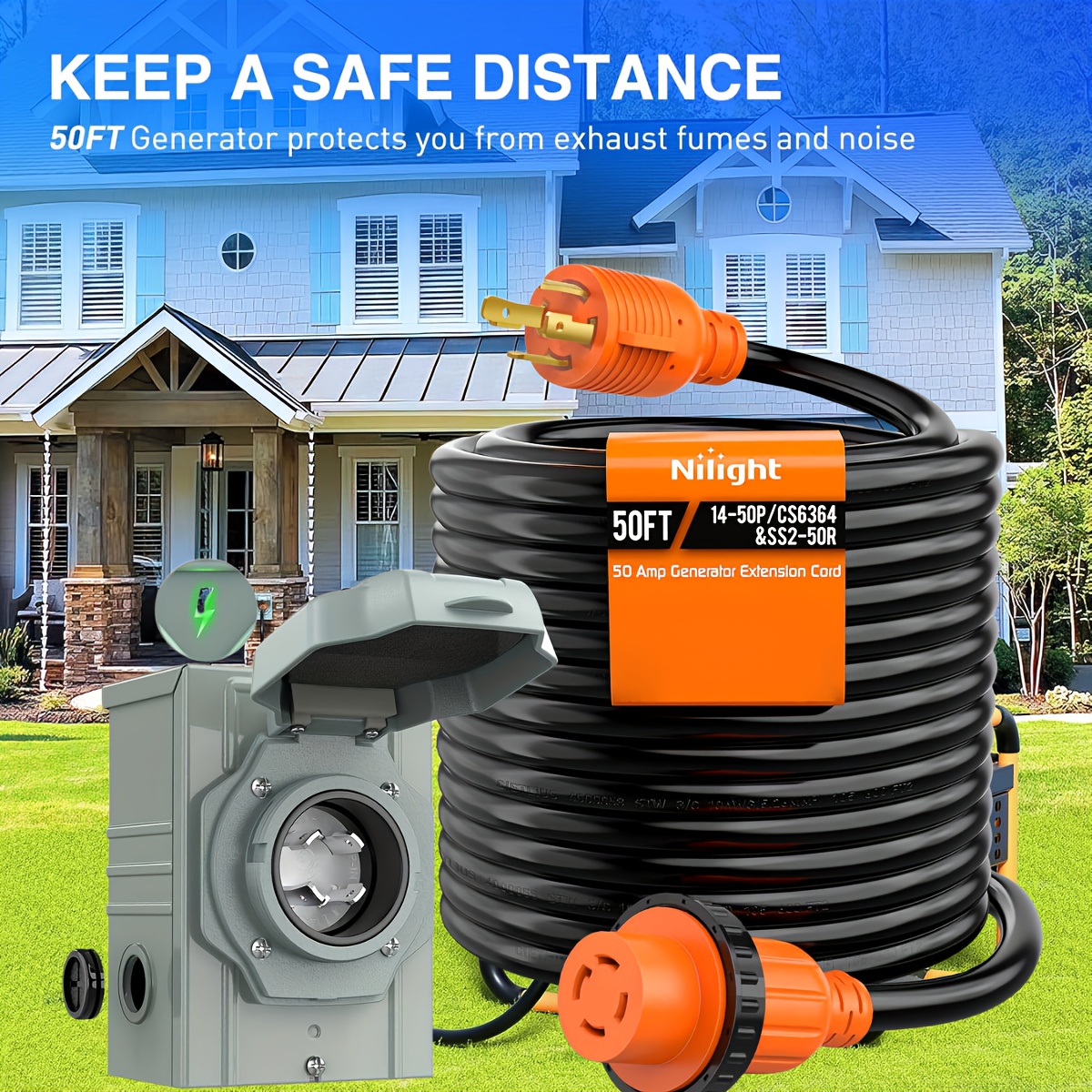
Ensure the generator is turned off before connecting the extension cord. Use a cord rated for outdoor use and check its wattage compatibility. Plug the extension cord into the generator’s outlet securely, ensuring a snug fit to prevent any disconnection during use.
Plugging Into The Generator
Find the generator’s power outlet. Check if it matches your extension cord. Firmly plugthe cord into the outlet. Ensure it fits securely. A loose connection can cause problems. Confirm the generator is turned offbefore connecting.
Securing Connections
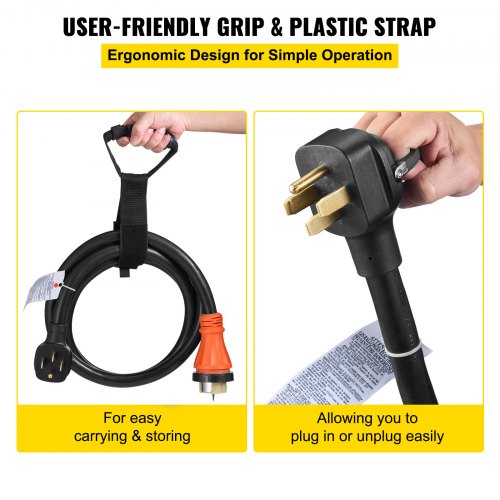
Once plugged, secure the connectionwell. Tug slightly to check if it’s firm. This prevents accidental disconnection. Use tape or ties if necessary. Secure connections help in safetyand efficiency.
Avoiding Overloading
Check the power ratingof your generator. Make sure it can handle the load. Too much load can cause damage. Read the generator’s manual for guidance. Avoid connecting too many devices at once. Use power strips wisely.
Testing The Connection
Ensure the generator is off before connecting an extension cord. Plug the extension cord securely into the generator’s outlet. Check the connection to avoid any loose or faulty links.
Power Flow Verification
Ensure the generator is on and running smoothly. Plug the extension cord into the generator outlet. Check if appliances connected to the cord are working. Look for any blinking lights or interrupted power. This shows power is flowing correctly.
Checking For Loose Connections
Inspect the plug and socket for tightness. Loose connections can cause power loss. Wiggle the cord gently to see if it’s secure. Make sure there are no frayed wires or damaged parts. A secure fit ensures proper power delivery.
Troubleshooting Common Issues
Check if the extension cord is appropriate for the generator. Verify if the cord length affects power flow. Ensure the generator capacity matches the appliances. Look for overloaded circuits or devices not working. Resolve by using a proper cord and matching load.
Credit: www.vevor.com
Maintenance Tips
Ensure the generator is off before connecting the extension cord. Use a heavy-duty cord that matches the generator’s power output. Connect firmly to prevent any loose connection that might cause sparks or accidents.
Regular Inspection
Check the extension cord for any cuts. Look for exposed wires too. Ensure all plugs fit securely in their sockets. Inspect the generator for dust and dirt. Clean it gently using a soft cloth. Listen for strange sounds while the generator runs.
Storage Recommendations
Keep the cord away from water. Store it in a dry place. Avoid coiling the cord too tightly. This can damage the wires inside. Cover the generator to protect from dust. Store it in a safe, dry spot.
Addressing Wear And Tear
Replace any damaged parts quickly. Worn-out cords can be dangerous. Tighten any loose connections on the generator. Check for rust on metal parts. Clean them to prevent further damage.
Frequently Asked Questions
Can You Hook Up An Extension Cord To A Generator?
Yes, you can connect an extension cord to a generator. Ensure the extension cord is rated for outdoor use and can handle the generator’s wattage. Use a heavy-duty, grounded cord to ensure safety and efficiency. Always follow the generator and extension cord manufacturer’s guidelines.
How Do I Hook Up A Generator To My House Without A Transfer Switch?
Use an interlock kit to connect the generator. Ensure the main breaker is off before plugging into a 240-volt outlet. Prioritize safety by consulting a professional electrician for guidance. Avoid backfeeding to prevent electrical hazards and ensure compliance with local electrical codes.
What Gauge Extension Cord Should You Use For A Generator?
Use a 12-gauge extension cord for generators up to 20 amps. For higher power, opt for a 10-gauge cord. Ensure the cord length suits your setup, as longer cords may require heavier gauge. Proper gauge selection prevents overheating and maintains power efficiency.
Always prioritize safety and check compatibility.
Can You Hook Up A Power Strip To A Generator?
Yes, you can connect a power strip to a generator. Ensure the generator’s wattage exceeds the power strip’s load. Use a heavy-duty extension cord for safety. Avoid overloading the generator to prevent damage. Always follow manufacturer instructions for proper usage and safety.
Conclusion
Connecting an extension cord to a generator is simple. Safety is key. Always use a cord rated for your generator. Check for damage before using it. Plug the cord into the generator first. Then connect your devices. Avoid overloading the generator.
It helps in preventing accidents. Store the extension cord properly after use. This keeps it in good condition. A well-managed setup ensures reliable power. Follow these steps for peace of mind. Stay safe and enjoy your powered devices.