Imagine a world where you have uninterrupted power, day and night, no matter what. By connecting your dual fuel generator to a solar system, you can achieve just that.
This setup not only ensures energy security but also helps you save on electricity bills and reduce your carbon footprint. But how can you make this powerful combination work for you? This guide will walk you through the steps of connecting your dual fuel generator to a solar system, making it simpler than you might think.
If you’re eager to harness the benefits of both solar energy and a reliable generator, keep reading. Unlock the potential of your energy resources and take control of your power needs today.
Credit: www.jackery.com
Benefits Of Dual Fuel Generators
Dual fuel generators can use two types of fuel. This means you can choose between gasoline and propane. Gasoline is easy to find, while propane is clean. Propane also lasts a long time. Having options helps in emergencies. You can use what’s available. This makes dual fuel generators very useful. They offer flexibility and convenience.
These generators are both efficient and reliable. They run smoothly and don’t waste fuel. This means they can work for a long time without stopping. The dual fuel option adds more reliability. If one fuel runs out, the other can be used. This ensures you always have power. It makes them a dependable choice for your needs.

Credit: www.amazon.com
Understanding Solar Systems
Connecting a dual fuel generator to a solar system enhances power reliability. This setup balances energy needs by using both solar and generator power sources. Proper wiring and compatible equipment ensure efficient energy flow and system safety.
Components Of A Solar System
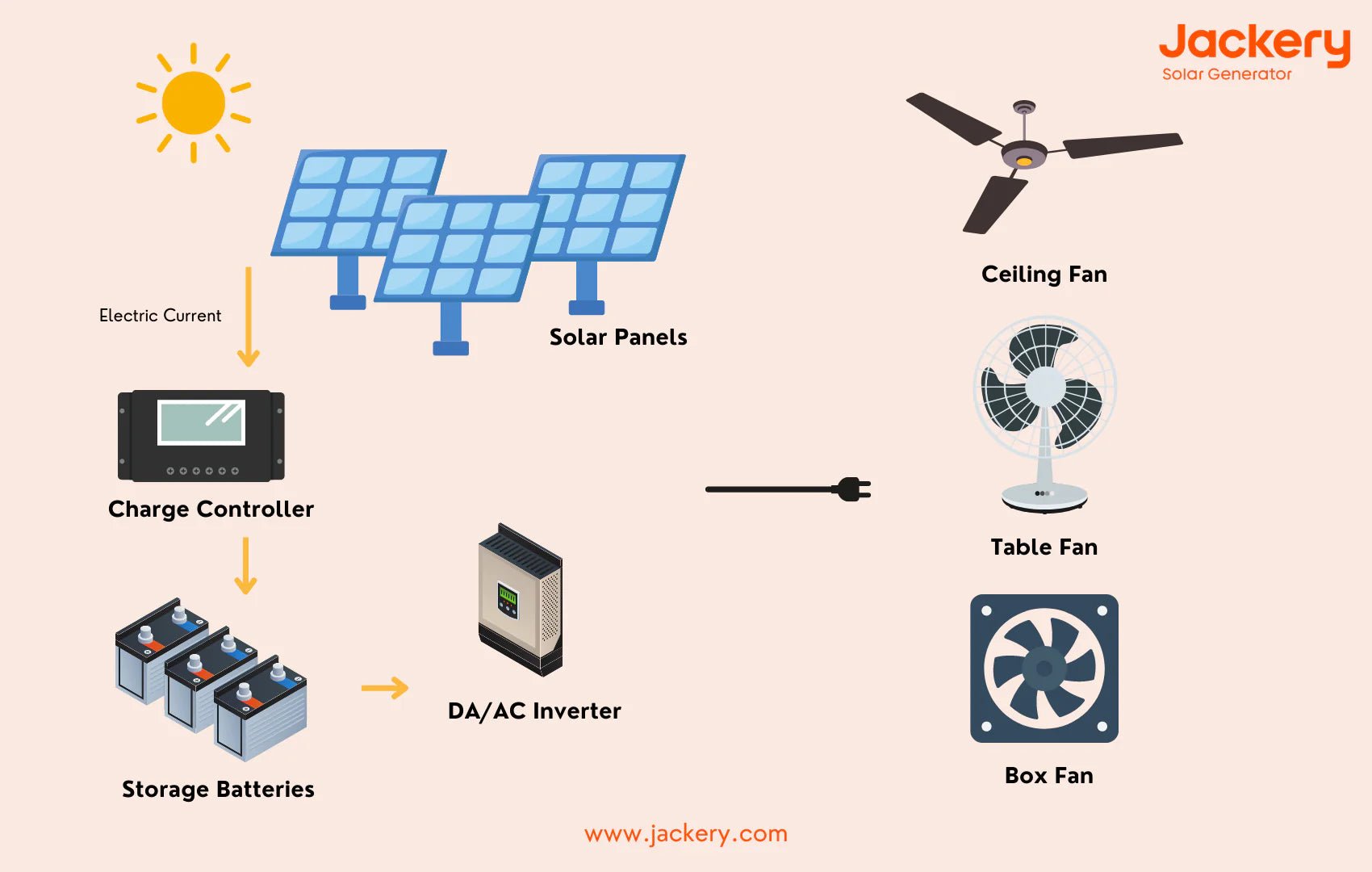
A solar system has several important parts. The solar panelscapture sunlight. Inverterschange the energy to usable power. Batteriesstore extra energy for later use. Charge controllersprotect batteries from overcharging. Each part helps the system work well.
Functionality And Power Output
Solar systems create electricity from sunlight. Panels collect sunlight and turn it into energy. This energy goes through an inverter. The inverter makes the energy safe for home use. Batteries hold power for cloudy days. The more panels, the more power. A good system gives consistent energyday and night.
Preparing For Connection
First, determine how much power you need. This means checking your home appliances. Add up the wattage of each device. Make sure your generator and solar system can handle it. Remember, it’s always good to have a little extra power. This helps in case of unexpected usage.
Before starting, gather all the tools. You need cables, connectors, and a transfer switch. Check if you need any special adapters for your generator. Make sure everything is compatible with your solar system. Double-check to ensure safety while connecting.
Credit: shopsolarkits.com
Safety Precautions
Ensure all connections are secure to prevent accidents. Wear protective gear and follow manufacturer instructions carefully. Keep the generator and solar system components dry and away from flammable materials.
Electrical Safety Measures
Keep the generator away from water. Water can cause electric shocks. Wear rubber gloves when handling wires. Use insulated tools for safety. Ensure all connections are tight. Loose wires can be dangerous. Check circuit breakers regularly. They prevent overloads and short circuits. Never touch wires with wet hands. Dry hands prevent electric shocks. Always switch off power before repairs. This prevents accidental shocks. Use surge protectors for devices. They protect from power spikes.
Environmental Considerations
Place the generator outdoors. It releases fumes that are harmful. Ensure proper ventilation around it. Fresh air helps disperse fumes. Check fuel storage regularly. Leaks can harm the environment. Use eco-friendly fuel options. They reduce carbon emissions. Clean solar panels often. Dirt can block sunlight. Dispose of old batteries responsibly. They contain toxic chemicals. Recycle waste materials if possible. It helps protect the earth.
Connection Process
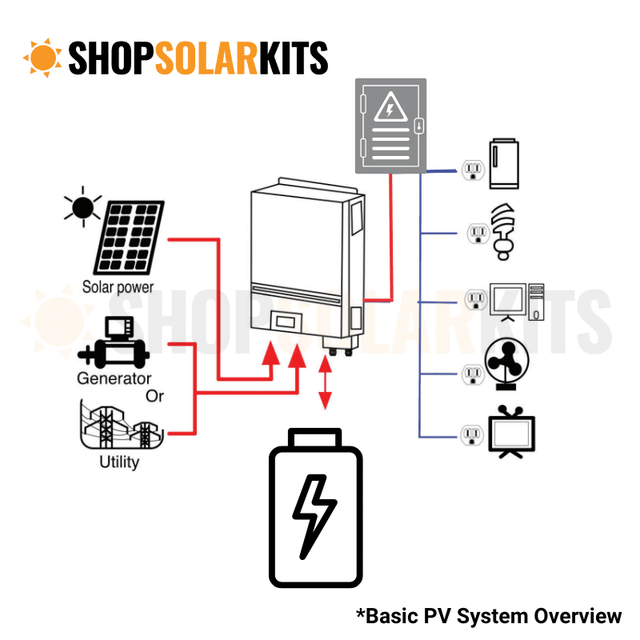
Connecting a dual fuel generator to a solar system involves integrating both power sources. Ensure compatibility between the generator and solar components. Use a transfer switch to manage power flow. This setup provides reliable energy, combining solar efficiency with generator backup.
Wiring The Generator
Ensure the generator is off before starting. Connect the generator’s output to a transfer switch. The transfer switch is crucial for safety. It prevents backfeed into the power grid. Use heavy-duty, insulated wires for the connection. Ensure all connections are secure and tight. This avoids any power loss or risks.
Integrating With Solar System
Link the generator to the solar inverter. The inverter converts solar energy to usable electricity. Connect the generator’s output terminals to the inverter’s input. This allows seamless energy flow. Use a charge controller to manage battery charging. This prevents overcharging and keeps batteries safe. Regularly check all connections for wear or damage.
Testing And Maintenance
Ensure proper connections and check compatibility between systems. Regular testing helps identify issues early on. Routine maintenance guarantees smooth operation and extends the lifespan of both the generator and solar components.
Ensuring Proper Functionality
Regular testing ensures the generator and solar system work together. Check all connections and wires for damage or wear. Make sure the generator starts without issues. Inspect the solar panels for dirt or obstructions. Clean panels to keep them efficient. Verify that the inverter is operational. Listen for unusual noises during operation. These noises may signal problems. Address issues quickly to prevent larger failures.
Routine Checks And Upkeep
Set a schedule for routine checks. Check oil levels in the generator monthly. Replace the oil if it’s dirty or low. Inspect battery levels in the solar system. Recharge or replace batteries when needed. Clean the generator’s air filters. Dirt can block airflow and reduce efficiency. Test the power output regularly. Ensure the system meets energy needs. Keep a record of checks and maintenance activities. Use it to track the system’s health.
Troubleshooting Common Issues
Connecting a dual fuel generator to a solar system can encounter common issues. Ensure proper wiring and compatible components for seamless integration. Carefully follow manufacturer instructions to avoid power disruptions and maximize efficiency.
Power Fluctuations
Power fluctuations can cause problems with devices. Check if all connections are tight. Loose wires can lead to unstable power. Also, inspect the solar panels for dirt or damage. Clean them if they are dirty. A dirty panel might not collect enough sunlight. Ensure the generator has enough fuel. Low fuel can cause power drops.
Connection Failures
Connection failures can stop the system from working. First, verify if the cables are connected properly. Use a multimeter to check the voltage. If the voltage is low, examine the battery health. Batteries might need replacement if old. Confirm the inverter is operational. Faulty inverters disrupt connections. Always follow the manual for specific instructions.
Frequently Asked Questions
Can I Connect A Generator To My Solar System?
Yes, you can connect a generator to your solar system. Use an automatic transfer switch for safety. Ensure compatibility between generator and inverter. Consult with a professional to avoid damage. Proper installation helps maintain system efficiency and reliability.
How To Connect Solar And Generator?
Connect solar panels to an inverter, then link the inverter to the generator via an automatic transfer switch. Ensure the generator and solar system are compatible. Consult an electrician for safe installation. Proper connections optimize power usage and protect equipment.
Regular maintenance ensures efficient operation.
How Long Will A 1000 Watt Solar Generator Run A Refrigerator?
A 1000 watt solar generator can run a refrigerator for approximately 8-10 hours. This depends on the refrigerator’s wattage, energy efficiency, and usage. It’s crucial to check the refrigerator’s power consumption for accurate calculations. Regular maintenance and optimal solar panel positioning can enhance performance.
How Many Solar Panels To Run A Generator?
To determine the number of solar panels needed, assess your generator’s wattage and daily usage. Divide total energy consumption by a panel’s wattage. Consider solar panel efficiency and sunlight hours. Typically, a small generator requires about 4-6 panels, but exact needs vary.
Consult a professional for precise calculations.
Conclusion
Connecting a dual fuel generator to a solar system enhances energy flexibility. You enjoy both sun and fuel benefits. It reduces reliance on one power source. This setup provides backup during cloudy days. It also saves money over time. Follow safety guidelines closely for a successful connection.
Seek professional help if unsure. Protect your investment by maintaining both systems. A well-connected generator and solar system bring peace of mind. Enjoy continuous power with this combination. Make your home energy-efficient and reliable.