Are you tired of running out of power during those crucial moments? Imagine having a reliable backup system where your generator seamlessly connects to multiple batteries, ensuring uninterrupted power supply.
This isn’t just about convenience; it’s about peace of mind. Whether you’re preparing for an extended camping trip or securing your home during a power outage, knowing how to connect multiple batteries to your generator can make all the difference.
In this guide, you’ll discover a straightforward approach to linking batteries to your generator. No more complicated jargon or overwhelming instructions. We’ll walk you through the process step-by-step, ensuring you’re equipped with the knowledge to keep the lights on when it matters most. Ready to take control of your power solutions and never worry about sudden outages again? Let’s dive in and transform the way you think about backup power.
Benefits Of Connecting Multiple Batteries
Connecting multiple batteries to a generator brings several key benefits. It offers an extended power supply, allowing devices to run longer without needing a recharge. This is useful during power outages or outdoor activities.
It also leads to improved efficiency. Batteries share the load, reducing the strain on each one. This helps batteries last longer and keeps the generator working well.
With multiple batteries, there is increased capacity. This means more stored energy is available. It supports bigger devices or more devices at once.
Types Of Battery Connections
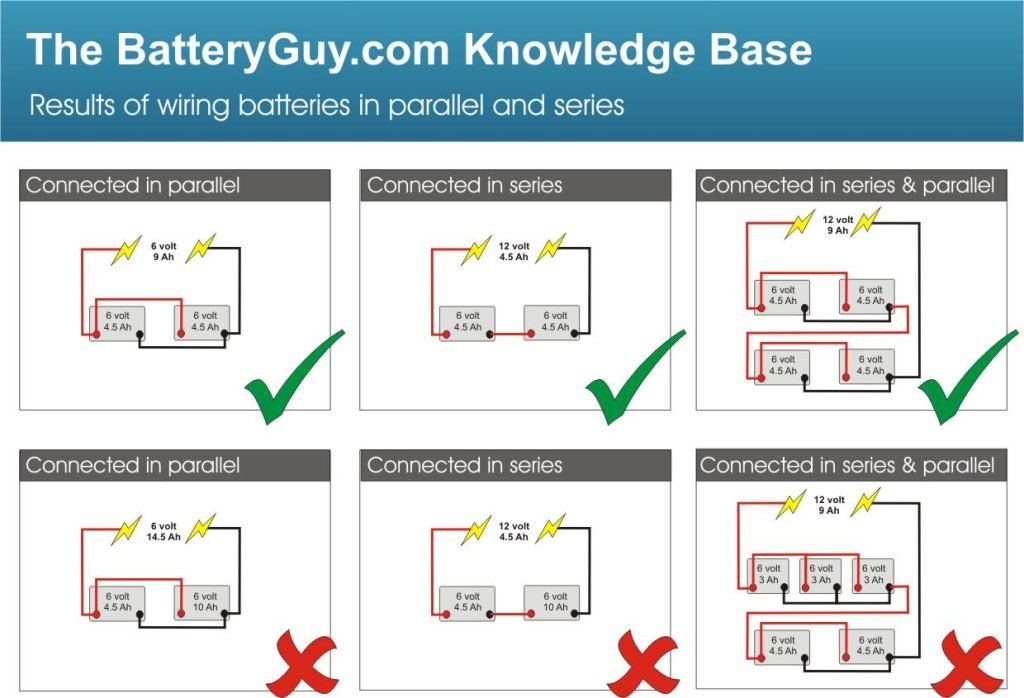
Series connectionlinks batteries end-to-end. This adds their voltages while the capacity stays the same. For example, two 12V batteries connected in series make 24V. Use this to get higher voltage output for your generator.
Parallel connectionjoins batteries side-by-side. This keeps the voltage the same but adds the capacity (amp hours). For example, two 12V 100Ah batteries in parallel give 12V 200Ah. This setup gives longer run time for your generator.
Series-parallel combinationmixes both methods. It connects groups of batteries in series, then links those groups in parallel. This raises both voltage and capacity. Use this when your generator needs more power and longer use.
Choosing The Right Batteries
Choosing the right batteries is key for safe and effective connection to a generator. Battery compatibilitymeans selecting batteries that can work well together without causing damage.
Match the voltageof all batteries to keep the system stable. Mixing different voltages can cause failure or short circuits. Also, make sure the capacity(Ah) is similar so batteries drain evenly.
| Battery Chemistry | Notes |
|---|---|
| Lead-Acid | Common, affordable, but heavy and require maintenance. |
| Lithium-Ion | Light, long-lasting, more expensive but better for many uses. |
| Nickel-Cadmium | Good for extreme temperatures but less common today. |
Choose the same type of chemistry for all batteries to avoid issues. Different chemistries may charge or discharge at different rates.
Essential Tools And Materials
Cables and connectorsmust be thick enough to handle high current safely. Use heavy-duty battery cableswith secure connectors. Ring terminals and insulated connectors help prevent loose connections. Copper cables offer better conductivity than aluminum.
Safety gearis essential. Wear insulated glovesand safety goggles to protect against sparks. Use a fire extinguisher rated for electrical fires nearby. Make sure your work area is dry and well-ventilated.
| Testing Equipment | Purpose |
|---|---|
| Multimeter | Check voltage and continuity of cables |
| Battery tester | Measure battery health and charge level |
| Clamp meter | Measure current flow without disconnecting cables |
Step-by-step Connection Process
Begin by selecting batteries with the same voltage and capacity to ensure compatibility. Connect the positive terminals of each battery together, then join all the negative terminals. Finally, link the combined battery pack to the generator’s terminals carefully, ensuring secure and correct connections.
Preparing The Batteries
Check each battery for damage or leaks. Make sure all batteries have the same voltage. Clean the terminals with a wire brush. This helps to get a strong connection. Use gloves and safety glasses for protection. Place batteries on a flat, dry surface. Keep them close to the generator but not touching it.
Making The Connections
Connect batteries in series to increase voltage or in parallel to increase capacity. Use thick cables with good insulation. Attach the positive terminal of one battery to the negative terminal of the next for series. For parallel, connect all positive terminals together and all negative terminals together. Tighten all connections securely to avoid sparks. Double-check the connections match your generator’s requirements.
Securing And Insulating
Cover all terminals with electrical tape or terminal covers. This prevents short circuits and shocks. Use cable ties to keep wires neat and safe. Avoid loose wires that can cause accidents. Store batteries in a dry, ventilated area. Keep them away from heat and moisture.

Credit: www.youtube.com
Safety Precautions
Handling batteries requires care and attention. Always wear gloves and eye protectionto avoid injuries. Keep batteries away from flames and sparks. Avoid touching battery terminals with bare hands or metal objects.
Preventing short circuits is crucial. Never let battery terminals touch each other. Use insulated toolswhen working near batteries. Check all connections twice before turning on the generator.
Proper ventilation is important. Batteries release gasesthat can be harmful in closed spaces. Place batteries in a well-ventilated area. Use fans if necessary to keep air moving.
Troubleshooting Common Issues
Voltage imbalancecan cause batteries to wear out fast. Check each battery’s voltage with a meter. Make sure all batteries have the same voltage levelbefore connecting. Uneven voltage can cause charging issuesand reduce battery life.
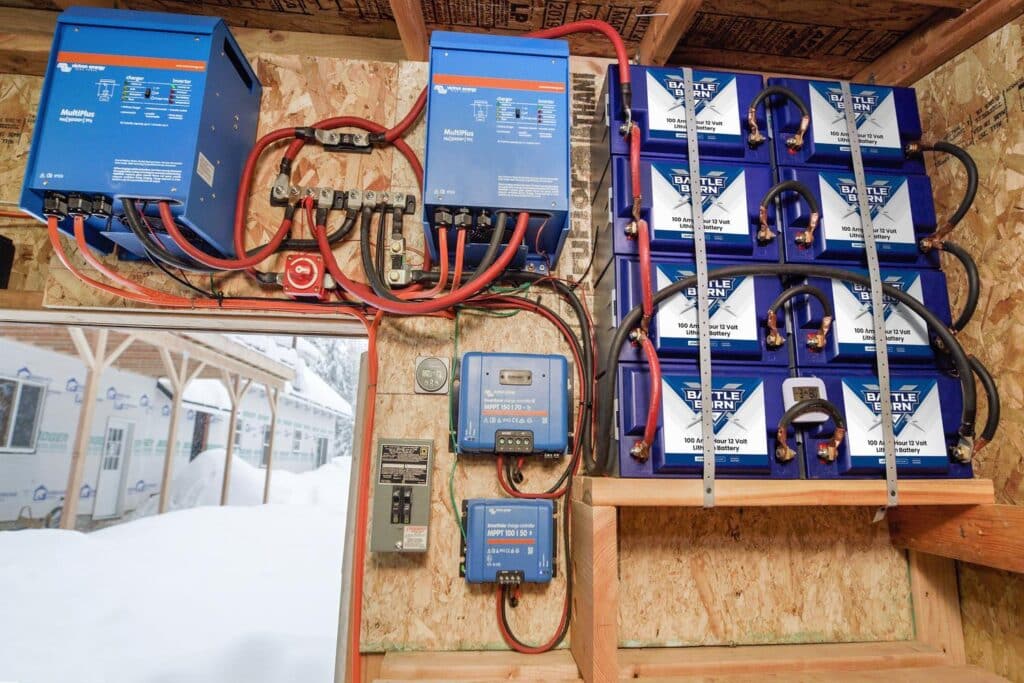
Loose connectionsare a common problem. Always tighten battery terminals and cable clamps. Loose wires can cause sparksor power loss. Use a wrench to secure all connections. Inspect cables regularly for damage or corrosion.
- Battery drain problemsoften happen if batteries are not properly matched.
- Use batteries of the same type and ageto avoid drain.
- Check for parasitic loadsthat draw power when the generator is off.
- Keep batteries chargedand store them in a cool place to prevent drain.
Credit: battlebornbatteries.com
Maintenance Tips For Battery Banks
Regular inspections help catch problems early. Check for cracks, leaks, or swelling on battery surfaces. Look for corrosion on terminals and cables. Clean any dirt or debris to keep connections strong.
Cleaning and tightening connections prevent power loss. Use a mixture of baking soda and water to clean terminals. Dry thoroughly before reconnecting. Tighten cable clamps to avoid loose connections. Loose parts cause sparks and damage.
Monitoring battery health ensures long life. Use a multimeter to check voltage regularly. Replace batteries that hold less charge. Keep batteries at proper temperature to avoid damage. Store batteries in a dry, cool place.
Optimizing Generator And Battery Performance
Load managementhelps balance power use. Keep track of how much energy your devices need. Avoid running too many devices at once. This protects batteries and the generator from damage. Split loads into smaller groups to avoid overloads.
Charging strategieskeep batteries healthy and long-lasting. Use a smart charger that adjusts power flow. Charge batteries slowly to avoid overheating. Check battery voltage often. Match charger type to battery chemistry for best results.
Upgrading componentsimproves system strength and safety. Use thicker cables to reduce energy loss. Install a battery management system (BMS) to monitor each battery. Choose a generator with enough power output. Replace old batteries with higher capacity ones for longer run times.

Credit: www.morganscloud.com
Frequently Asked Questions
How Do I Connect Multiple Batteries To A Generator?
To connect multiple batteries, use parallel or series wiring depending on your voltage needs. Ensure compatibility and proper connectors for safety and efficiency.
What Are The Benefits Of Multiple Batteries With A Generator?
Multiple batteries increase power capacity and runtime. They provide backup power and improve overall generator efficiency during extended use.
Can I Use Different Battery Types With A Generator?
It’s best to use the same battery type and capacity. Mixing types can cause charging issues and reduce battery life.
How To Safely Wire Batteries To A Generator?
Always disconnect power before wiring. Use insulated cables, secure connections, and follow manufacturer guidelines to prevent short circuits and damage.
Conclusion
Connecting multiple batteries to a generator is simple with the right steps. Always check battery types and voltages before starting. Use proper cables and connectors to ensure safety. Keep batteries balanced to avoid damage and maintain power. Regularly inspect connections for any loose or worn parts.
This keeps your setup working well and lasting longer. Following these tips helps you use your generator and batteries efficiently. Save energy, stay prepared, and enjoy reliable power when you need it most.