
Imagine this: A sudden power outage plunges your home into darkness. Your appliances stop, your lights go out, and your comfort is interrupted.
But wait, there’s a solution right at your fingertips—a standby generator. By knowing how to connect your standby generator, you can ensure that your home remains a haven of light and functionality, even when the power grid fails. This guide will take you step-by-step through the process, making it easy for you to keep your home running smoothly.
Are you ready to transform your preparedness and never worry about unexpected blackouts again? Dive in and discover how to connect your standby generator efficiently and effortlessly.
Credit: shgeneratorset.com
Choosing The Right Generator
Start by checking your home’s power needs.List all essential devices and their wattage. This helps find a generator with the right capacity.
Standby generators come in different types:
- Air-cooled:Smaller, quieter, good for homes.
- Liquid-cooled:Larger, better for long use or big homes.
Fuel options matter a lot. Common fuels are:
| Fuel Type | Advantages | Considerations |
|---|---|---|
| Natural Gas | Continuous supply, clean burning | Needs gas line connection |
| Propane | Stored easily, lasts long | Requires tank refills |
| Diesel | Powerful, good for heavy use | Needs safe storage, can smell |

Credit: aquariushomeservices.com
Preparing For Installation
Choose a dry, flat place for the generator. Keep it far from windows and doors to avoid fumes inside. The area must allow easy access for fuel delivery and maintenance. Safety is key. Avoid spots near tall plants or anything flammable.
Check local rules about generator installation. You may need a permit. Following electrical and building codes is important for safety and legality. Contact local authorities to learn specific requirements. This prevents future problems and fines.
| Essential Tools | Materials |
|---|---|
|
|
Electrical Connections
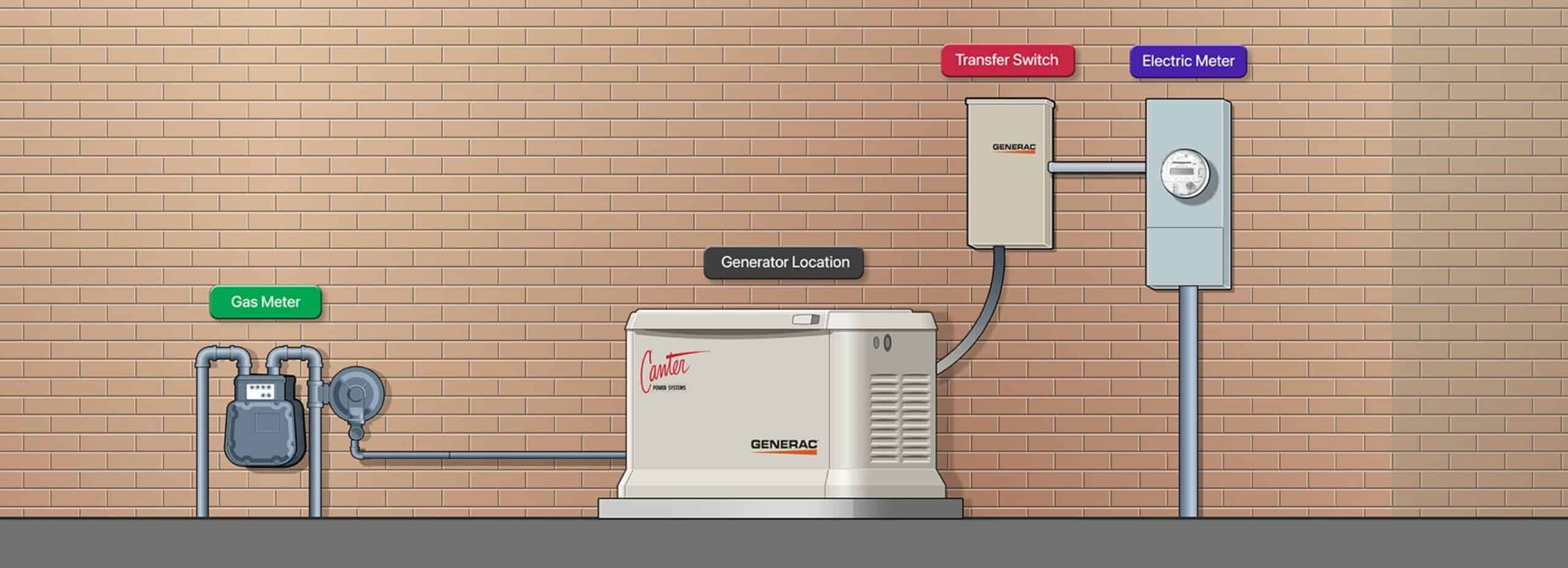
Installing the transfer switchis important to safely connect the standby generator. It prevents backfeed, which can harm utility workers. The switch links the generator to the home’s electrical panel. Always use a transfer switch that matches your generator’s power output.
Wiring the generator to the panelneeds careful attention. Use wires rated for your generator’s amperage. Connect the generator to the transfer switch input terminals. Make sure all connections are tight to avoid sparks or loose wires.
Grounding the systemprotects against electrical shocks. Connect the generator’s frame to a grounding rod driven into the earth. Use a copper wire for grounding. This step keeps the system safe during operation.
Fuel Setup And Maintenance
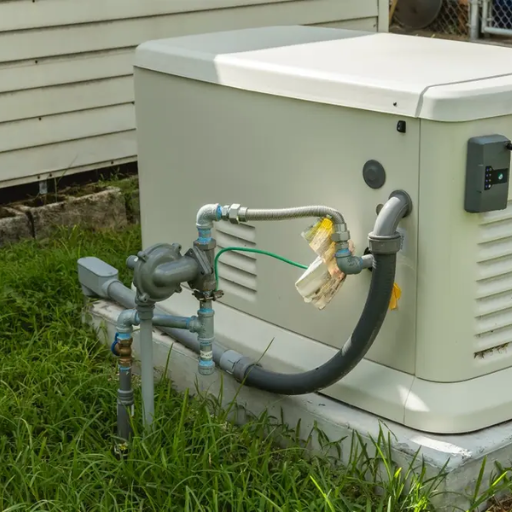
Connecting fuel lines requires using proper materials like flexible, fuel-rated hoses. Secure all connections tightly to prevent leaks. Use clamps designed for fuel lines to hold hoses firmly in place. Routing fuel lines away from heat sources and sharp objects avoids damage and fire risks.
Fuel storage must be in clean, sealed containers to keep fuel fresh. Store containers in a cool, dry place, far from flames or sparks. Label fuel containers clearly to avoid confusion. Use fuel stabilizers to extend fuel life and prevent clogging.
Routine fuel system checks include inspecting hoses for cracks or leaks. Check clamps and fittings for tightness. Drain water or sediment from fuel tanks regularly to avoid engine problems. Replace old or damaged fuel filters to maintain clean fuel flow.
Testing And Operation
Start the generator by following the manufacturer’s instructions carefully. Check fuel and oil levels before starting. Allow the generator to run for a few minutes without load to warm up. Make sure all safety switches are off during this time.
Load testing helps ensure the generator works under real conditions. Connect a load that matches the generator’s capacity. Run the generator for at least 30 minutes while monitoring voltage and frequency. Watch for any unusual sounds or smells.
| What to Monitor | Why It Matters |
|---|---|
| Voltage Stability | Prevents damage to connected devices |
| Frequency Consistency | Keeps appliances running smoothly |
| Fuel Level | Avoids unexpected shutdowns |
| Temperature | Prevents overheating |
Credit: canterpowersystems.com
Safety Tips And Best Practices
Avoiding Common Hazardsensures safe use of standby generators. Keep the generator away from doors and windows to prevent carbon monoxide poisoning. Use dry hands when handling the generator to avoid electric shock. Never refuel the generator while it is running or hot. Always use a proper transfer switch to avoid backfeed, which can harm utility workers. Store fuel in approved containers and away from living areas.
Regular Inspection Guidelineshelp maintain generator reliability. Check oil and coolant levels before use. Inspect fuel lines and filters for cracks or leaks. Test the battery and clean terminals regularly. Run the generator monthly to keep it in good working order. Look for loose wires or damaged parts and fix them promptly.
| Emergency Shutdown Procedures | Actions |
|---|---|
| Turn off the load | Switch off all connected appliances |
| Switch off the generator | Use the main power switch to stop the generator |
| Disconnect fuel supply | Close fuel valve or remove fuel line |
| Let the generator cool | Wait at least 15 minutes before moving or servicing |
| Contact professional help | Call for repairs if the generator shows faults |
Frequently Asked Questions
How Do I Connect A Standby Generator Safely?
To connect a standby generator safely, use a transfer switch installed by a certified electrician. This prevents backfeed and ensures safe power transfer during outages.
Can I Connect A Standby Generator Myself?
Connecting a standby generator requires electrical knowledge and permits. It’s best to hire a licensed electrician for safe installation and compliance with local codes.
What Is A Transfer Switch For Standby Generators?
A transfer switch safely switches power from the utility to the generator. It prevents electrical hazards and allows seamless power supply during outages.
How Do I Test My Standby Generator Connection?
Run the generator monthly under load. Check fuel levels, transfer switch operation, and power output to ensure the connection works correctly.
Conclusion
Connecting a standby generator ensures power during outages. Follow safety steps carefully to avoid risks. Always check local codes before installation. Use the right tools and parts for a secure fit. Regular testing keeps your generator ready to run. This simple setup brings peace of mind at home.
Don’t rush the process; take your time. Power backup can protect your family and devices. Stay prepared and enjoy steady electricity no matter what.