When you refuel a diesel vehicle, the last thing you want is a messy spill. Diesel spills aren’t just annoying; they can be hazardous to your health and the environment.
Imagine the unpleasant smell lingering around, or worse, the slippery mess underfoot. You’ve probably wondered how to handle these spills effectively, without turning the situation into a bigger problem. This article is your go-to guide for mastering the art of dealing with diesel spills swiftly and safely.
You’ll learn simple, practical steps that will keep your refueling process clean and stress-free. Keep reading, because understanding this could save you time, money, and a whole lot of hassle!
Safety Precautions
Diesel spills during refueling require careful handling to prevent environmental harm. Use absorbent materials and avoid water to contain spills. Wearing protective gloves and ensuring proper ventilation helps maintain safety during cleanup.
Personal Protective Equipment
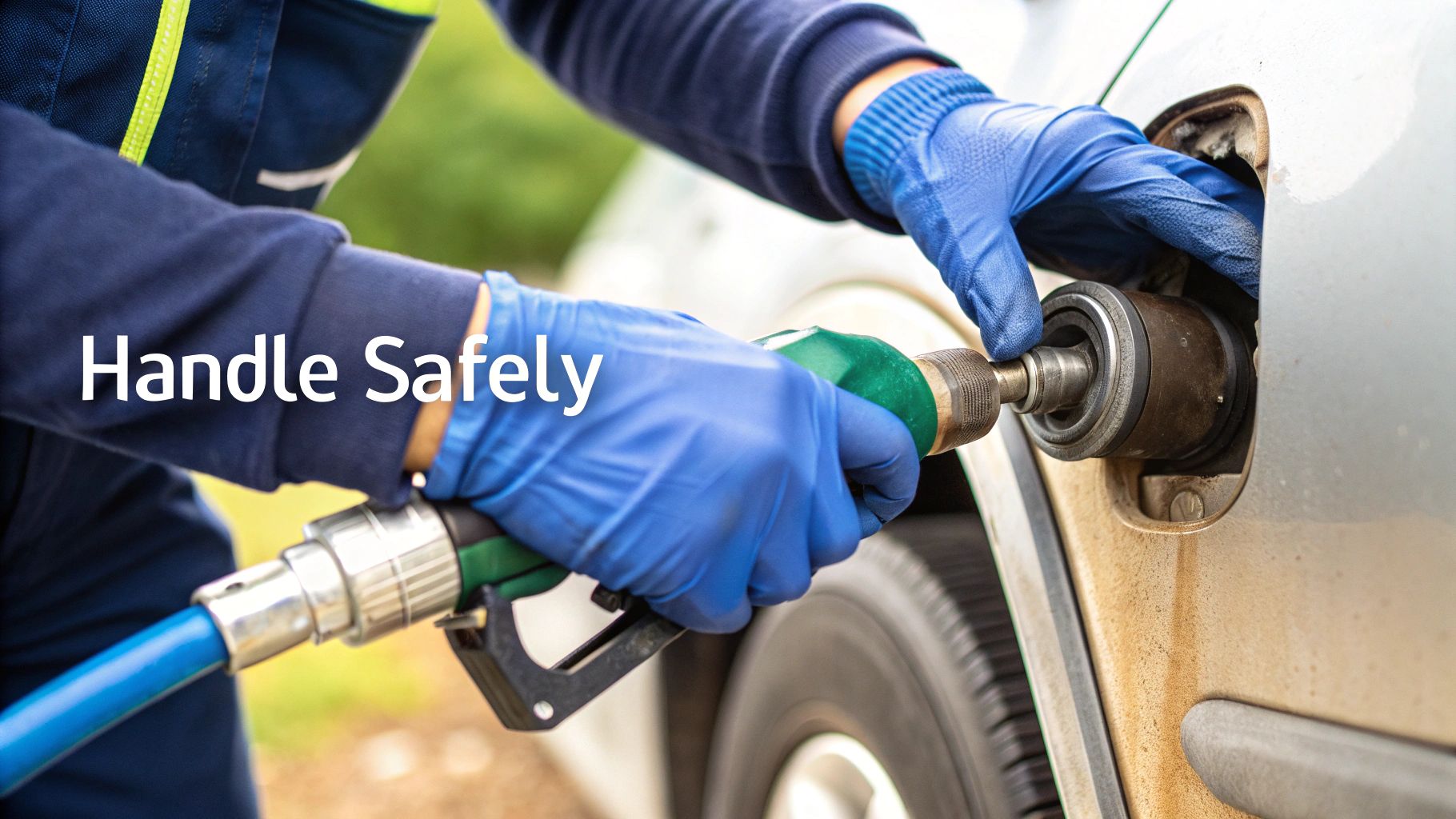
Wearing the right gear is very important. It keeps you safe from diesel spills. Always wear gloves to protect your hands. Use goggles to shield your eyes. A face mask helps you breathe clean air. Make sure your clothes cover your arms and legs. This protects your skin from splashes. Safety boots keep your feet dry and safe. Remember, safety gear is your friend.
Emergency Protocols
Spills can happen anytime. Stay calm and act fast. First, stop the fuel flow quickly. Use absorbent materials to soak up the spill. Keep a spill kit nearby for emergencies. Make sure to warn others about the spill area. Mark the spot with signs or cones. Call for help if needed. Inform the right people to clean the spill safely.
Immediate Actions
Quick actionis needed to stop a diesel spill. First, turn off the fuel pump. This stops more diesel from spilling. Grab some absorbent material like sand or cat litter. Sprinkle it over the spill to soak up the diesel. Use a broom to spread it evenly. This helps in absorbing more fuel.
Contain the diesel to stop it from spreading. Use a spill kit if available. Create a barrier around the spill with absorbent pads or booms. Make sure the diesel doesn’t reach drains or water sources. Keep a safe distance and wear gloves. This keeps you safe from the diesel.
Cleanup Procedures
Cleaning up diesel spills during refueling involves quick action to contain and absorb the spill. Use absorbent materials like sand or specialized pads to soak up the diesel. Dispose of the contaminated materials properly to prevent environmental harm.
Absorbent Materials
Choose the right absorbent materialsfor diesel spills. Use pads, socks, or granules. These items soak up diesel quickly. Keep these materials in your vehicle. Act fast to prevent spreading. Be sure to wear gloves for protection. Avoid touching the diesel directly. Absorbent materials are easy to use. Follow instructions on the package. This helps in using them correctly.
Proper Disposal Methods
Dispose of used materials safely. Place used absorbents in a sealable bag. Keep the bag away from heat and flames. Label the bag as hazardous waste. Contact local waste facilities for disposal instructions. Never throw them in regular trash. This can harm the environment. Follow local guidelines for hazardous waste. Proper disposal keeps everyone safe. It also protects the environment.
Credit: www.aliexpress.com
Preventive Measures
Prevent diesel spills by monitoring the fuel nozzle closely. Keep absorbent materials handy to quickly clean any spills. Always refuel on a flat surface to minimize risks.
Regular Equipment Maintenance
Check the fuel tankfor leaks often. Make sure seals are tight. Clean nozzles to prevent blockages. Inspect hoses for cracks. Replace damaged parts quickly. Keep equipment manuals handy for reference. Use only approved tools for maintenance. Schedule regular check-ups with a professional.
Safe Refueling Practices
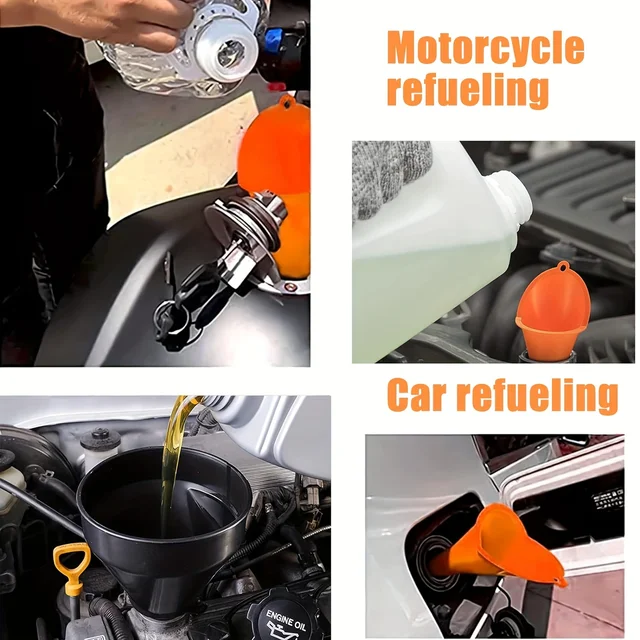
Turn off the engine before refueling. Use a funnelto prevent spills. Hold the nozzle firmly. Avoid overfilling the tank. Wipe any spills immediately. Keep a spill kit nearby. Follow safety signs around the refueling area. Wear protective gear like gloves and goggles.
Environmental Considerations
Prevent diesel spills by using absorbent materials around the fuel nozzle. Quickly contain spills to protect the environment. Dispose of contaminated materials safely to minimize impact on soil and water.
Impact On Soil And Water
Diesel spills can harm the soil and water. They can poison plants and animals. The chemicals in diesel are dangerous. They can seep into the ground. This can make the soil unhealthy. Water sources can get polluted too. Fish and other creatures can die. Clean water becomes scarce. It affects humans and wildlife. The damage can last for years.
Minimizing Ecological Damage
Clean up spills quickly to reduce damage. Use special tools to soak up diesel. These tools are called absorbents. They help in removing diesel from the ground. Keep spill kits ready at all times. These kits have items to clean spills. Educate everyone about spill prevention. This helps in avoiding accidents. Protecting nature is important for all of us.
Credit: clixfueling.com
Legal And Regulatory Compliance
Quickly address diesel spills during refueling to minimize environmental impact. Use absorbent materials and properly dispose of waste. Ensure compliance with local regulations for safe handling and disposal.
Understanding Local Laws
Local laws about diesel spills are important. Know the rules before refueling. Every area has different laws. Some places have strict rules. You must follow them carefully. Ignoring these laws can lead to fines. Always stay informed. Check updates regularly. Safety is a priority.
Reporting Requirements
Spills must be reported quickly. Report spills to the right authorities. Some areas need immediate reporting. Keep contact numbers handy. Document the spill details. Include time and location. Photos can be helpful. Prepare reports accurately. Follow instructions given by officials. Reporting helps prevent larger issues. Be responsible and act fast.
Training And Education
Handling diesel spills during refueling requires care and quick action. Use absorbent materials to contain the spill immediately. Avoid contamination by cleaning the area thoroughly and disposing of waste properly.
Employee Training Programs
Teaching workers about diesel spills is very important. They should know how to stop spills quickly. This keeps everyone safe. Training helps workers learn the best ways to handle spills. Safety gear is a must when dealing with diesel. Workers should wear gloves and masks. Practice drills can help workers act fast during real spills. Training also covers environmental rules. Workers need to follow these rules carefully.
Public Awareness Initiatives
Informing the public about diesel spills matters. People should know what to do if they see a spill. Posters and flyers can teach about spill dangers. Community events can spread the word. Schools can have special lessons on spills. Social media can share tips quickly. The more people know, the safer everyone is. Public awareness helps keep our environment clean and safe.
Credit: www.riskassessment.live
Frequently Asked Questions
How To Deal With A Diesel Spillage?
Act quickly to contain the spill using absorbent materials. Ventilate the area to reduce fumes. Dispose of contaminated materials as hazardous waste. Report large spills to environmental authorities for proper handling. Follow safety guidelines to prevent health risks.
What Should You Do In Case Of A Diesel Or Gas Spill?
Act quickly to stop the spill source. Use absorbent materials to contain the spill. Notify authorities immediately. Clean up following environmental guidelines. Dispose of waste properly.
How Long Does It Take Spilled Diesel To Evaporate?
Spilled diesel usually takes several days to evaporate, depending on temperature and surface area. Warmer weather accelerates evaporation, while cooler conditions slow it down. Proper cleanup is essential to minimize environmental impact and hazards. Always follow local guidelines for diesel spill management and remediation.
What Absorbs Diesel Fuel Spills?
Absorb diesel fuel spills using absorbent pads or booms designed for oil-based liquids. Kitty litter, sawdust, or peat moss can also help. These materials effectively soak up diesel, preventing environmental contamination. Always dispose of contaminated absorbents properly to comply with local regulations and ensure safety.
Conclusion
Handling diesel spills requires careful attention and quick action. Safety is the top priority. Always use absorbent materials to clean spills. Dispose of waste properly. Prevent future spills by checking hoses and seals regularly. Keep spill kits nearby for emergencies.
Understand local regulations on spill management. Protect the environment and avoid fines. Regular training helps everyone stay prepared. Share this knowledge with your team. Safe refueling practices benefit everyone. Keep your site clean and safe. Stay informed, stay vigilant. Make diesel spill management a routine part of refueling.
Your efforts protect people and nature.